Test
Stock pouch, blank sample or prototype for size, capacity, filling and early feedback.
Best when:The physical specification is still changing.Short-run packaging · multi-SKU launches
Eligible digital-print projects can start from 200 units, but MOQ is determined by the complete specification—not a headline number. Pouch format, film, closure, print coverage, artwork count and validation requirements decide the practical launch path.
200 units is an eligibility point, not a universal promise. The lowest-risk route is often to share one qualified size, material, closure and finish across several artwork SKUs.

One sourcing system, four stages
Low MOQ works best as part of a staged packaging plan. The goal is not to keep every order small; it is to avoid committing to the wrong specification before the product and demand are proven.
Stock pouch, blank sample or prototype for size, capacity, filling and early feedback.
Best when:The physical specification is still changing.Eligible short-run digital production for launch artwork, several SKUs or limited demand.
Best when:The format is qualified but inventory risk matters.Group compatible SKUs, consolidate components and plan repeat orders around actual sell-through.
Best when:Demand exists across flavors, sizes or channels.Compare digital, flexographic and rotogravure economics when artwork and volume stabilize.
Best when:Repeat volume can absorb setup and inventory.What changes the MOQ?
A real MOQ is calculated from the project. Send these inputs first and the recommendation becomes faster, more specific and easier to compare.
Low MOQ without low-information buying
The pack holds the product, protects the intended shelf life and fits the use case.
Samples work with the filling, sealing, cap application and quality-control process.
Dielines, barcodes, white ink, finishes and SKU differences are identified before print approval.
The team knows what should trigger a move from digital flexibility to higher-volume economics.
Low MOQ buyer guides
Each guide answers a different commercial question, so buyers and search engines can reach the most relevant decision path without seven pages competing for the same intent.
Browse starting formats
Use the filters to narrow pouch type, feature and application. A listed product is a starting format; final custom MOQ and suitability are confirmed after specification review.
Filter
358 Produkte
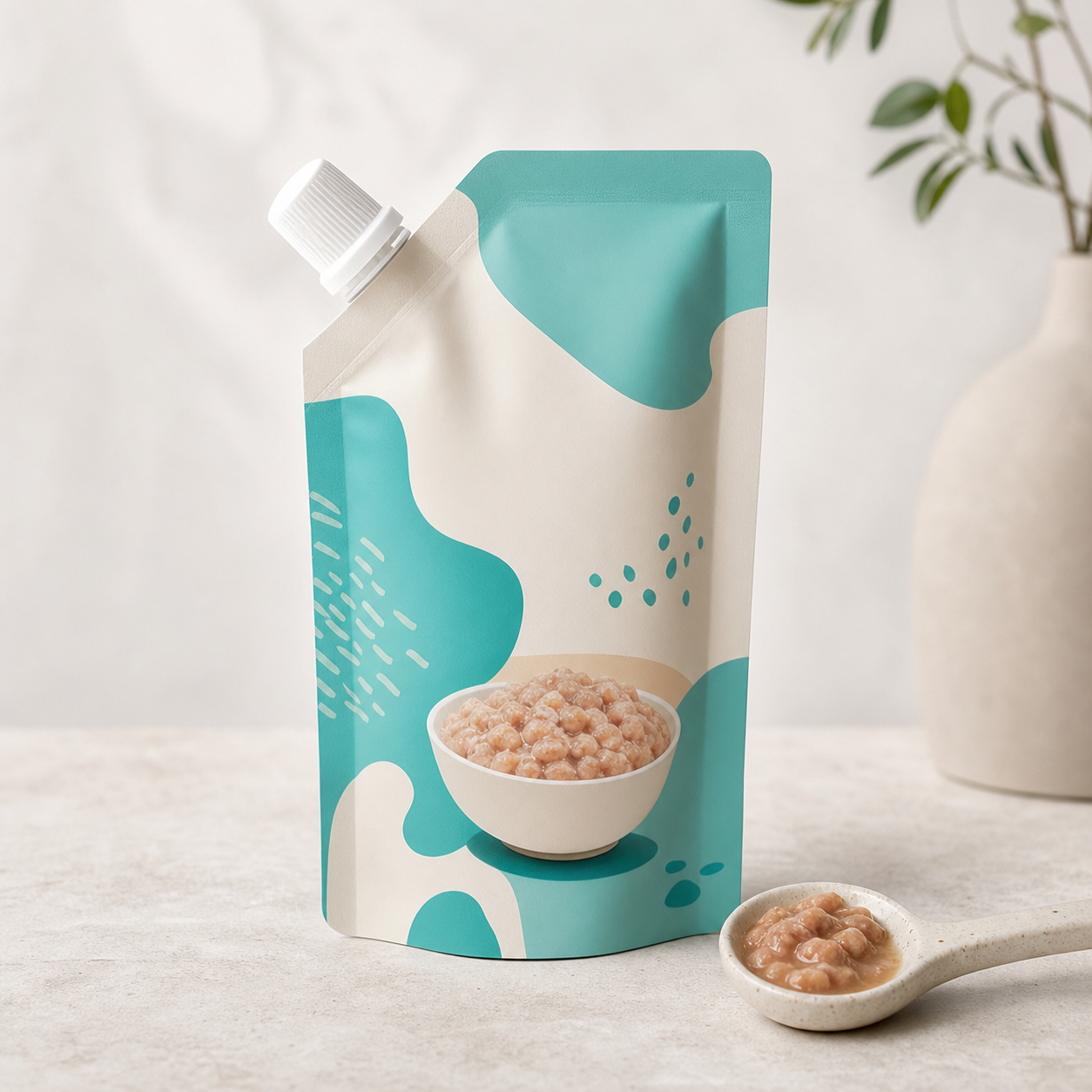
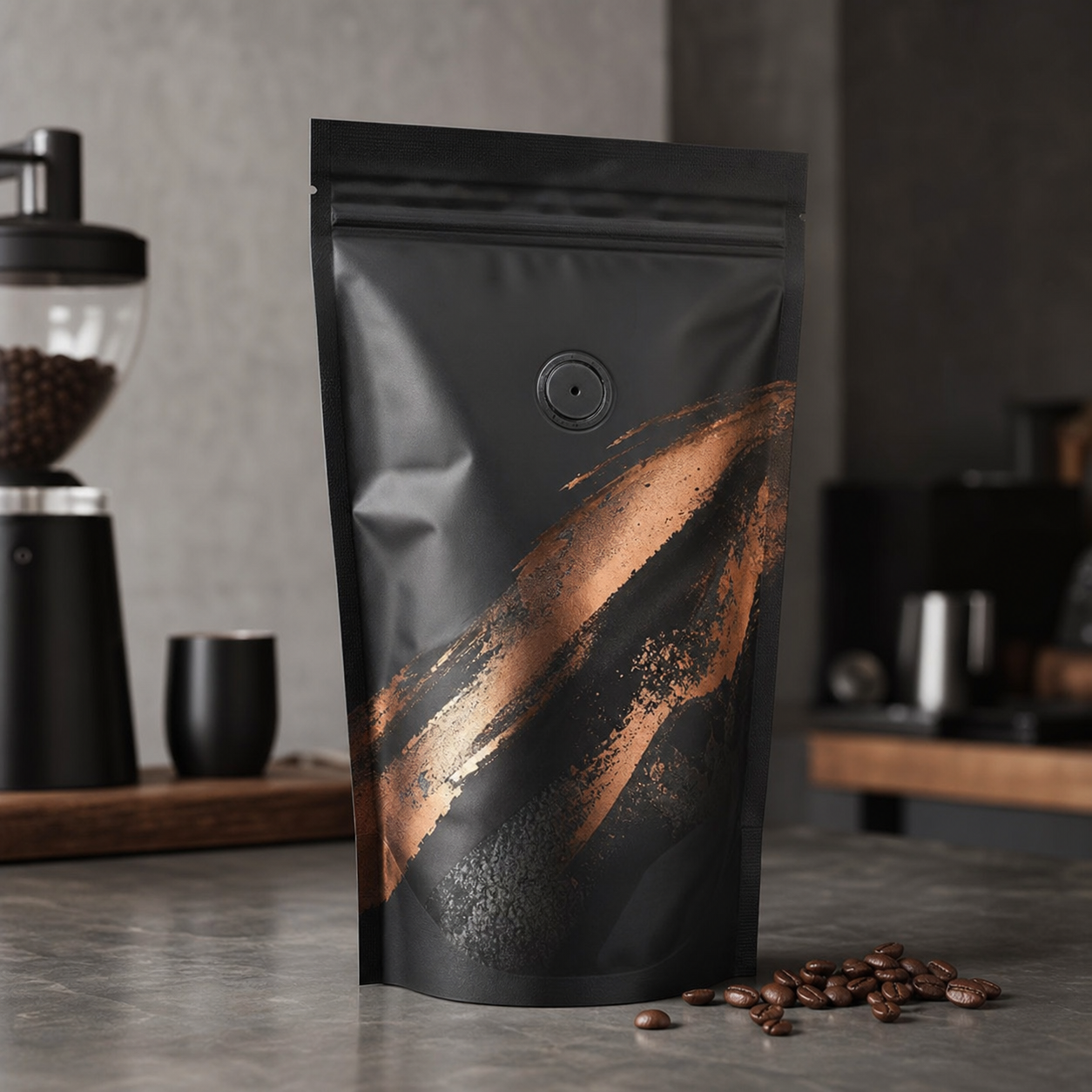
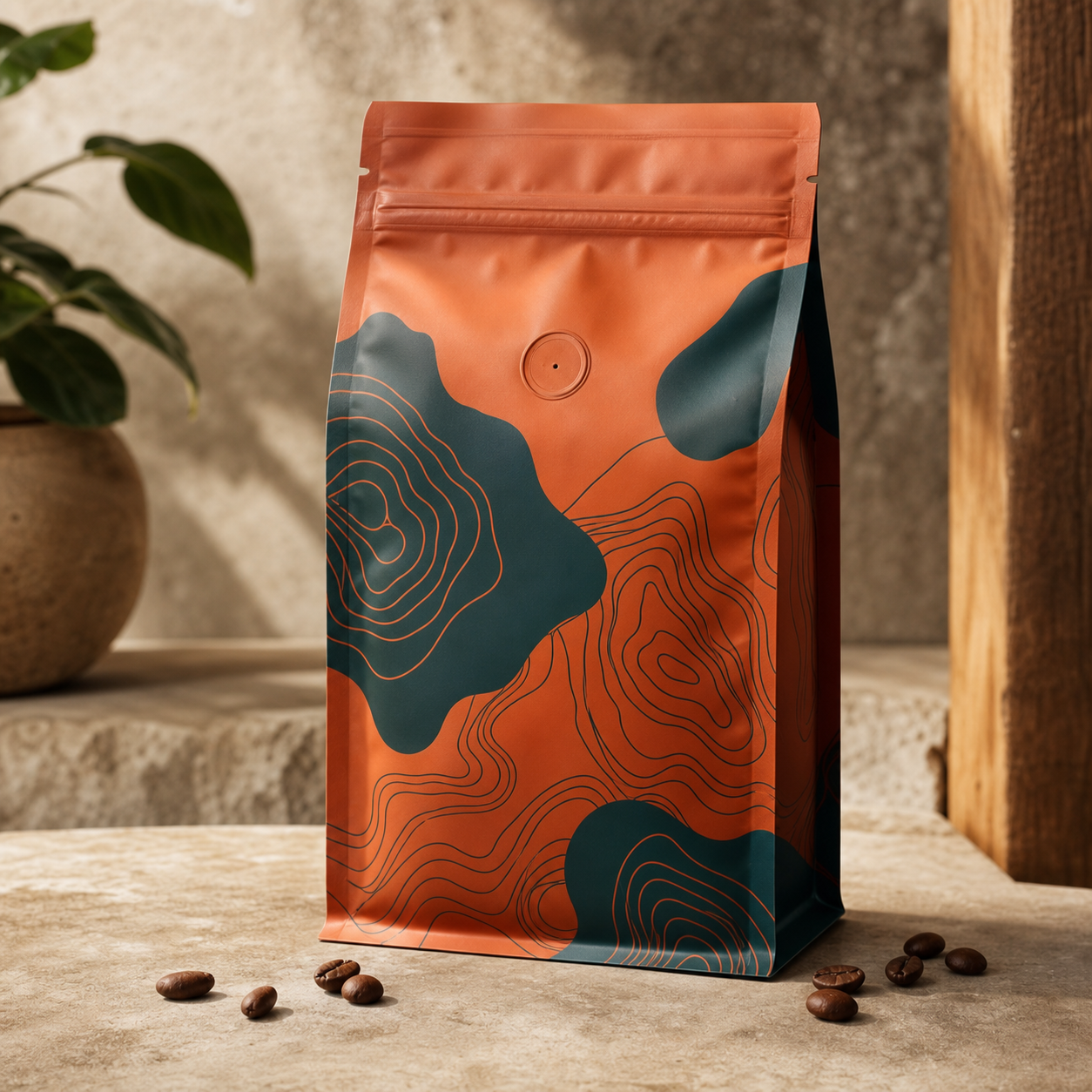
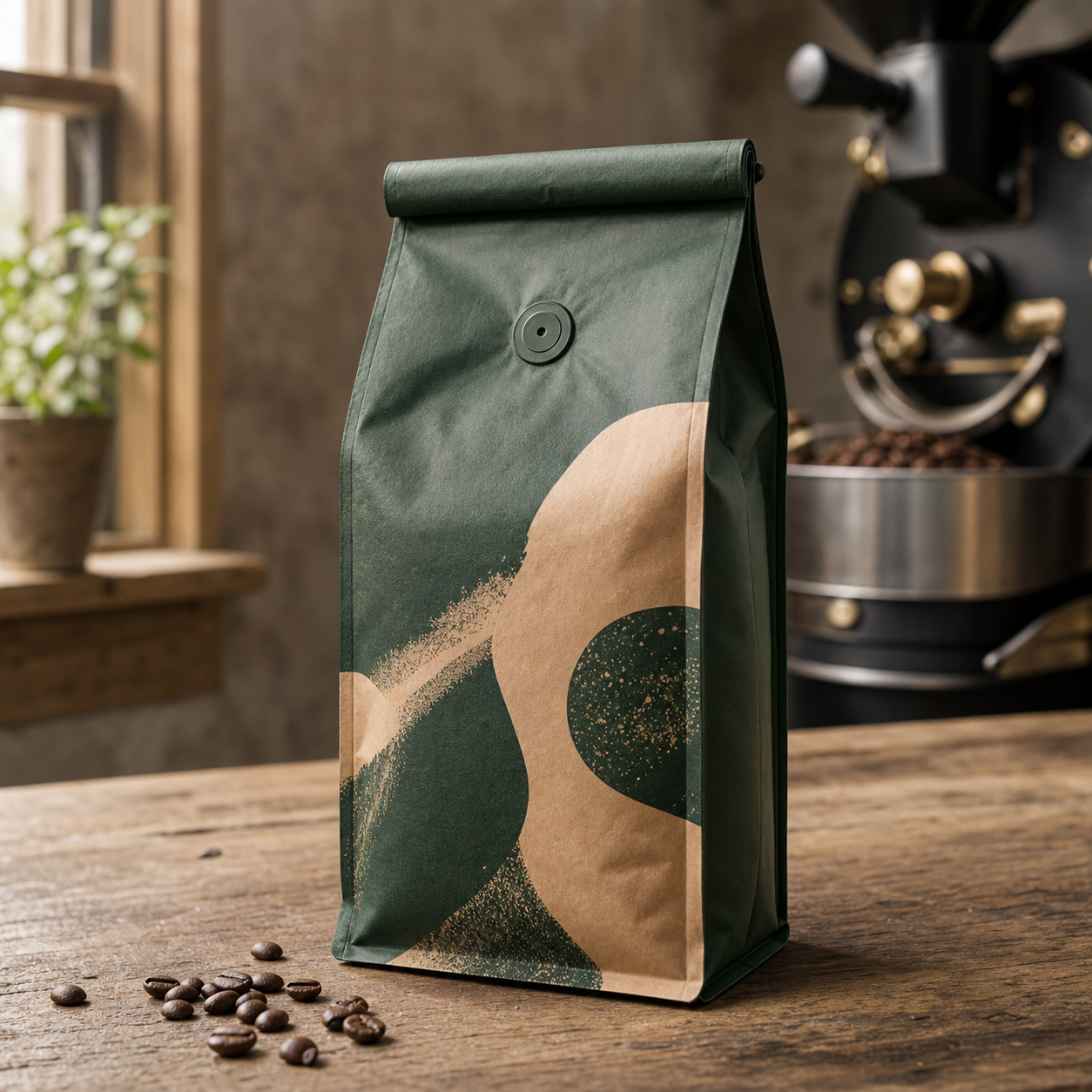
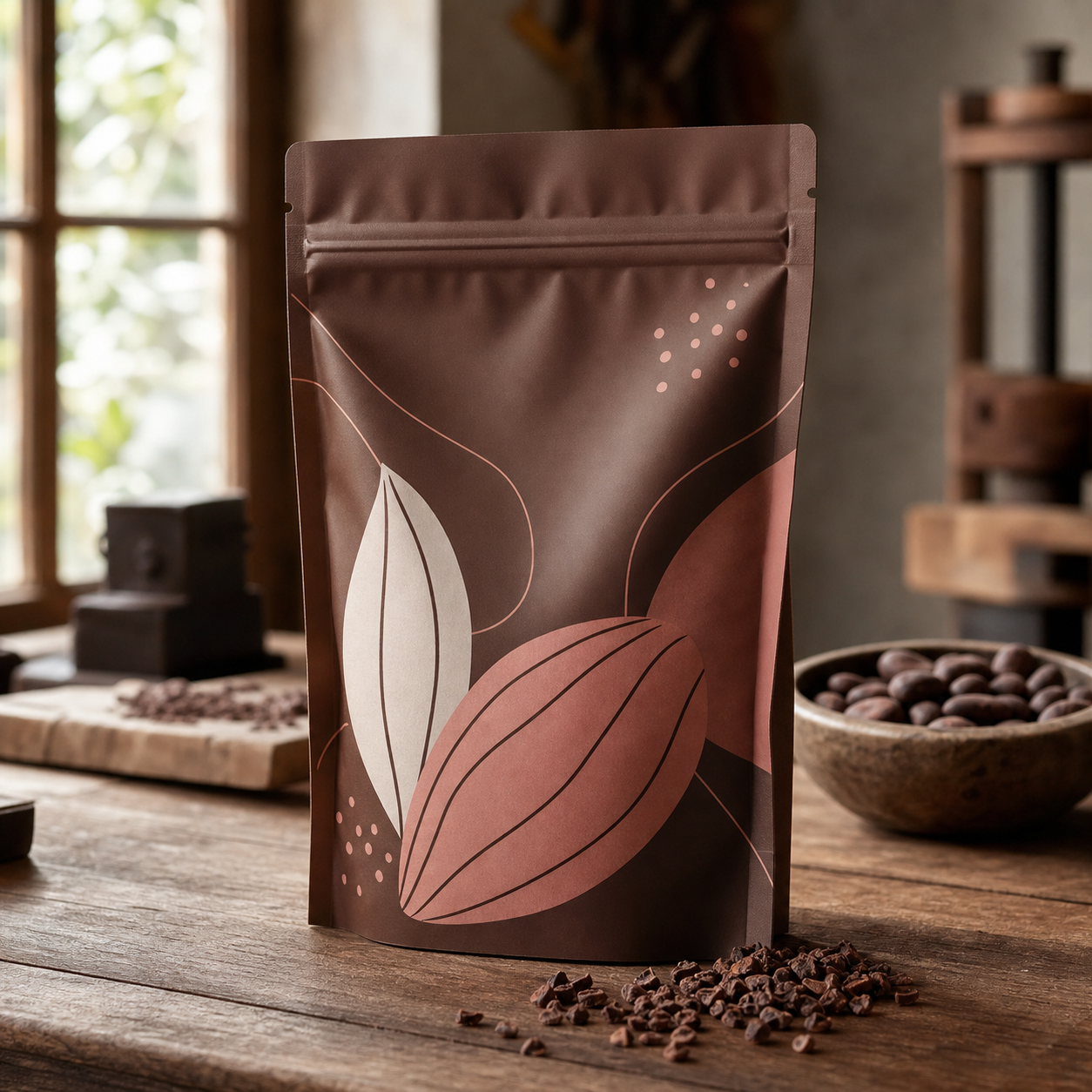
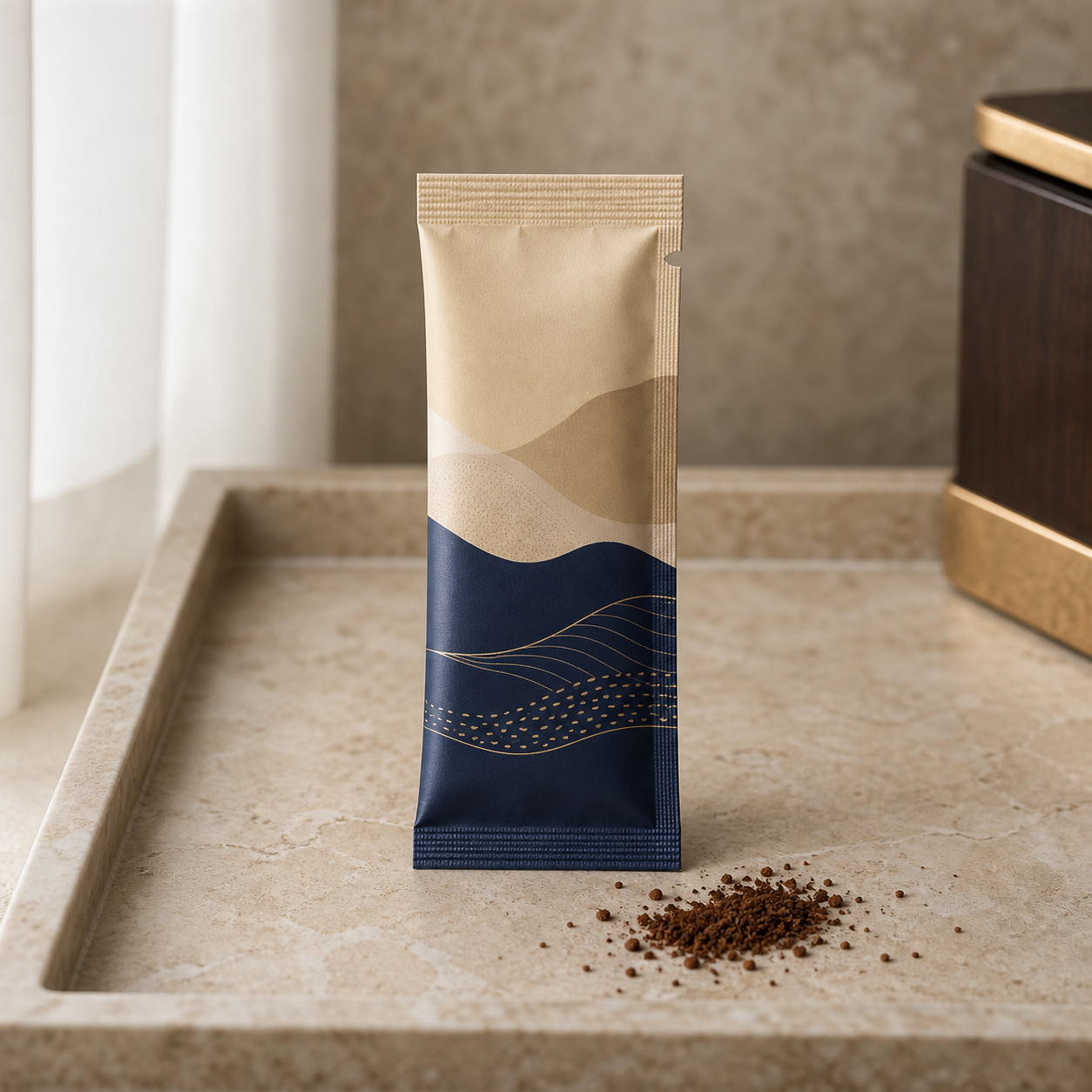
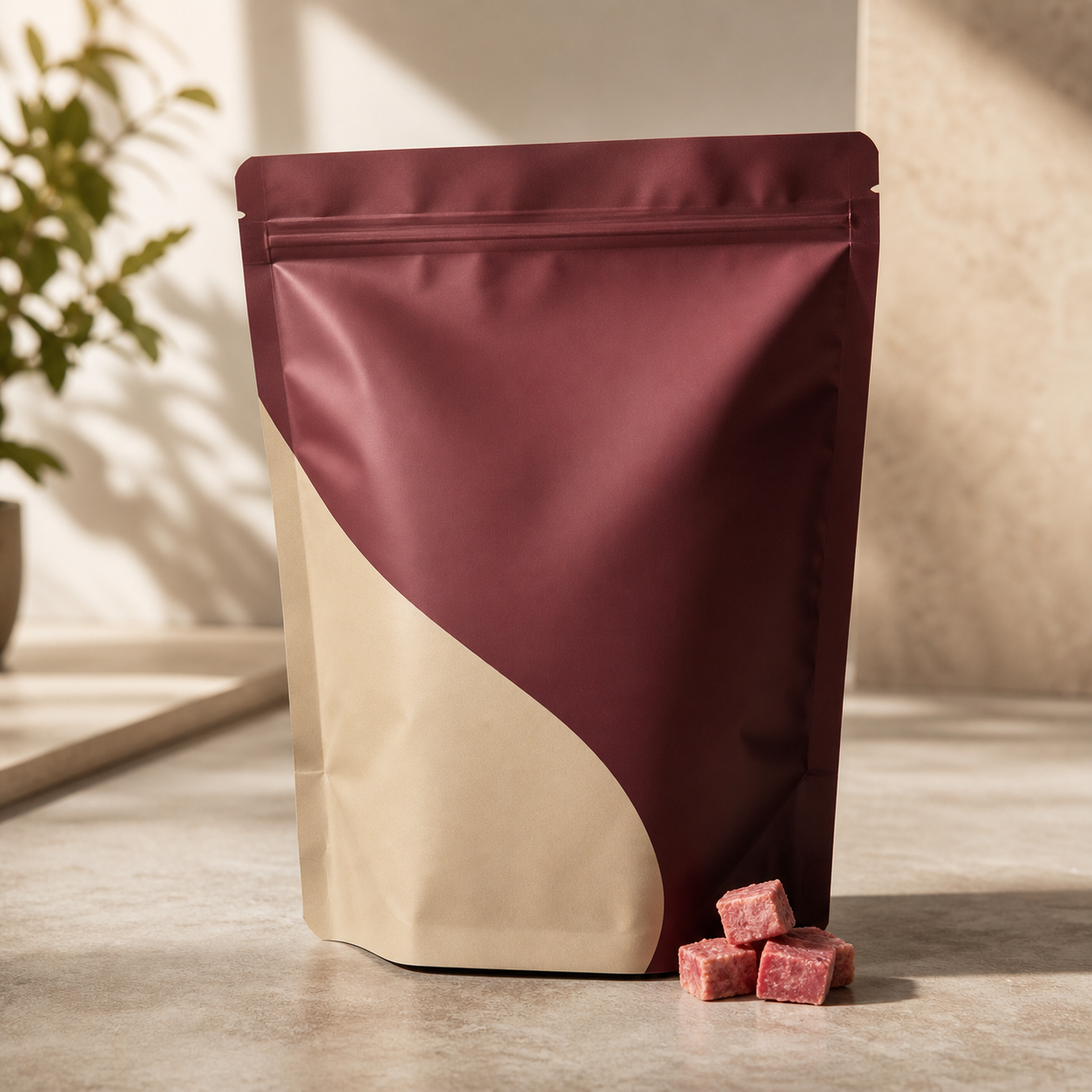
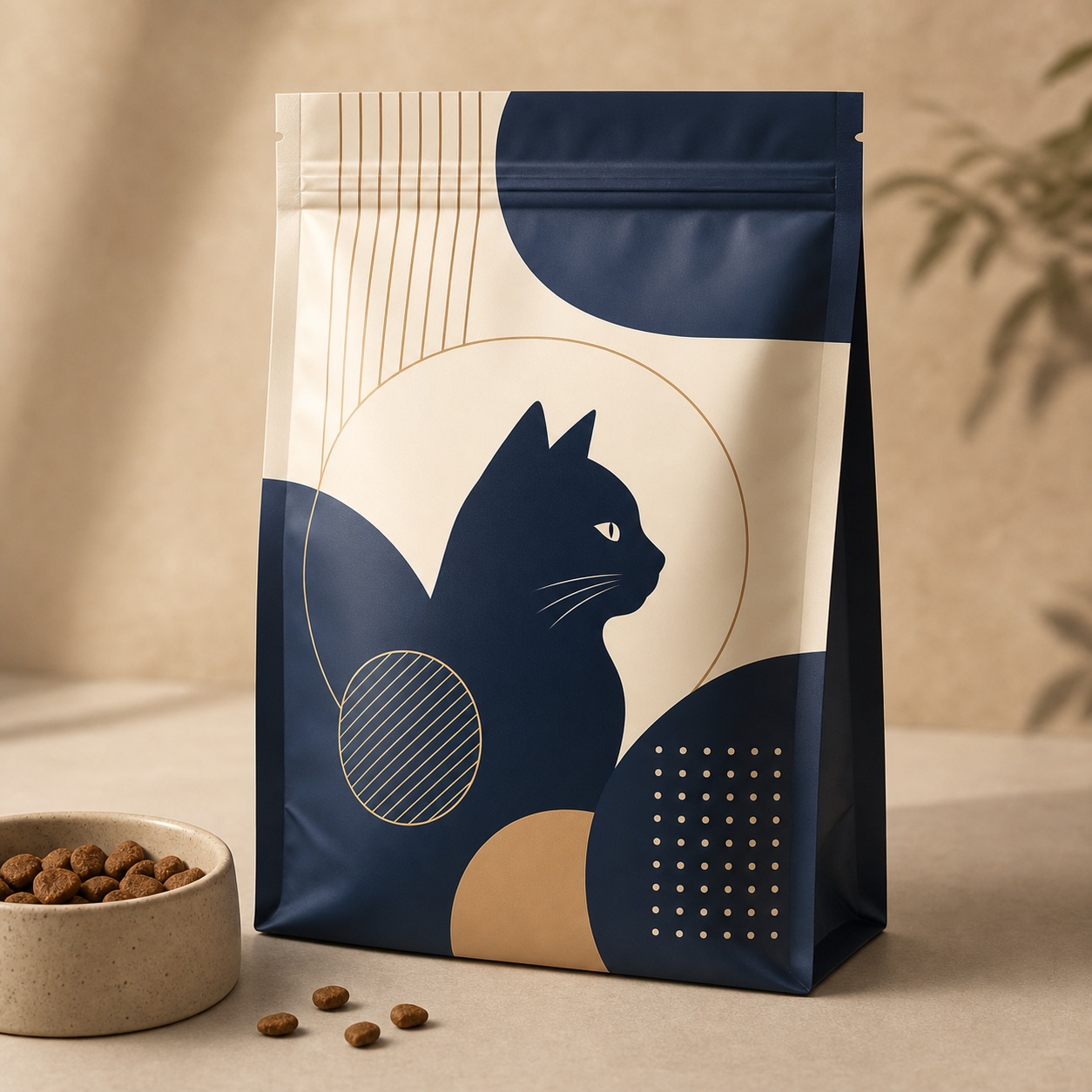
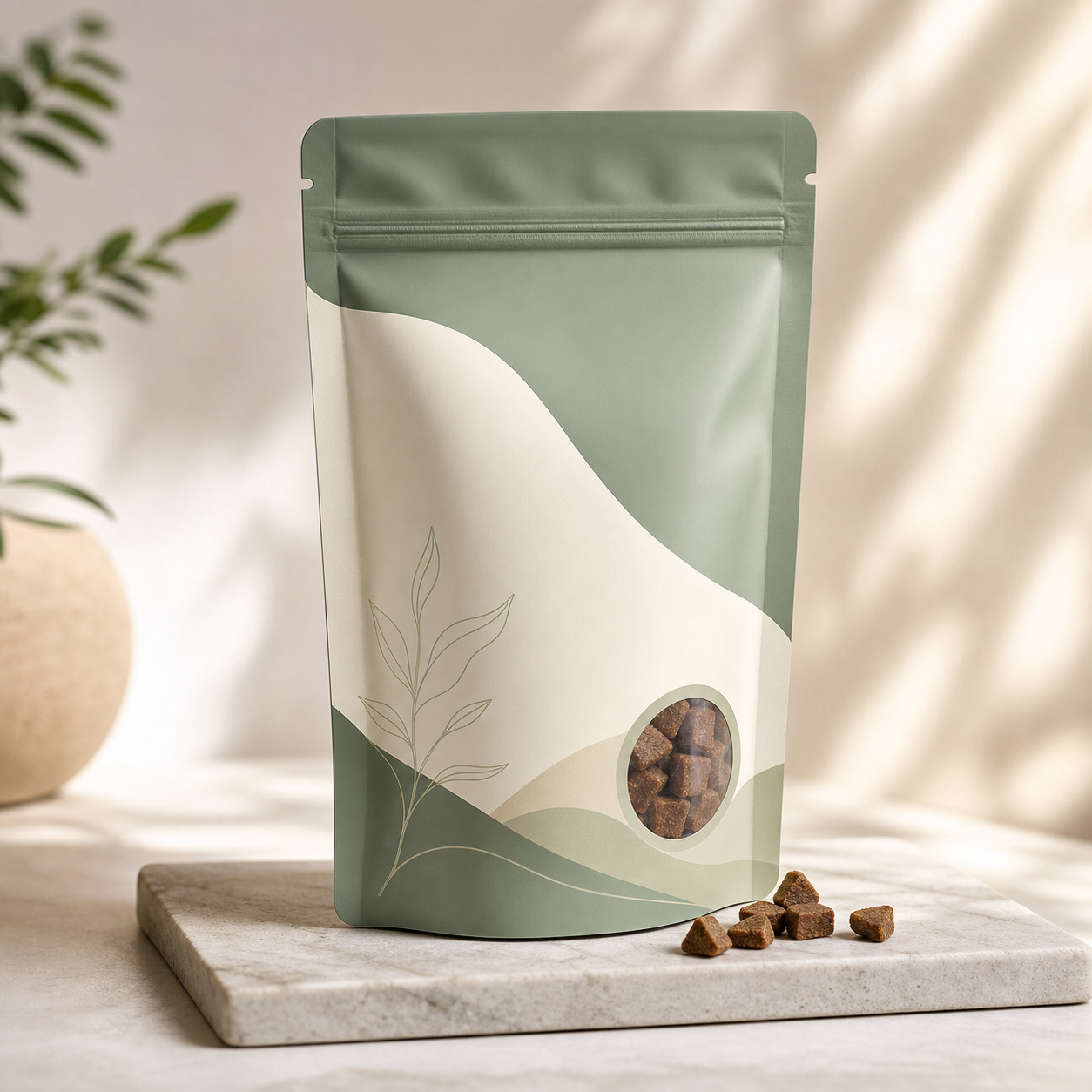
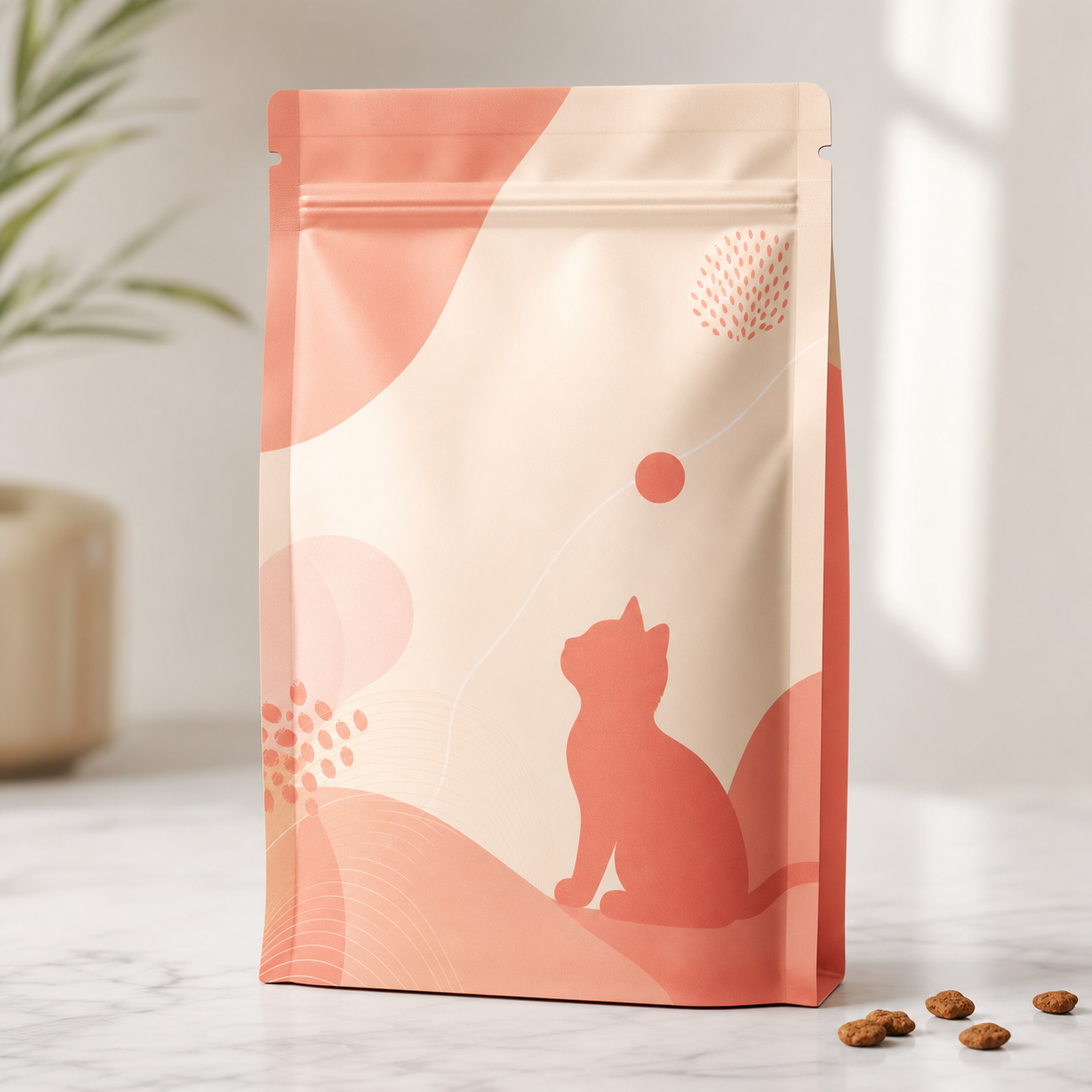
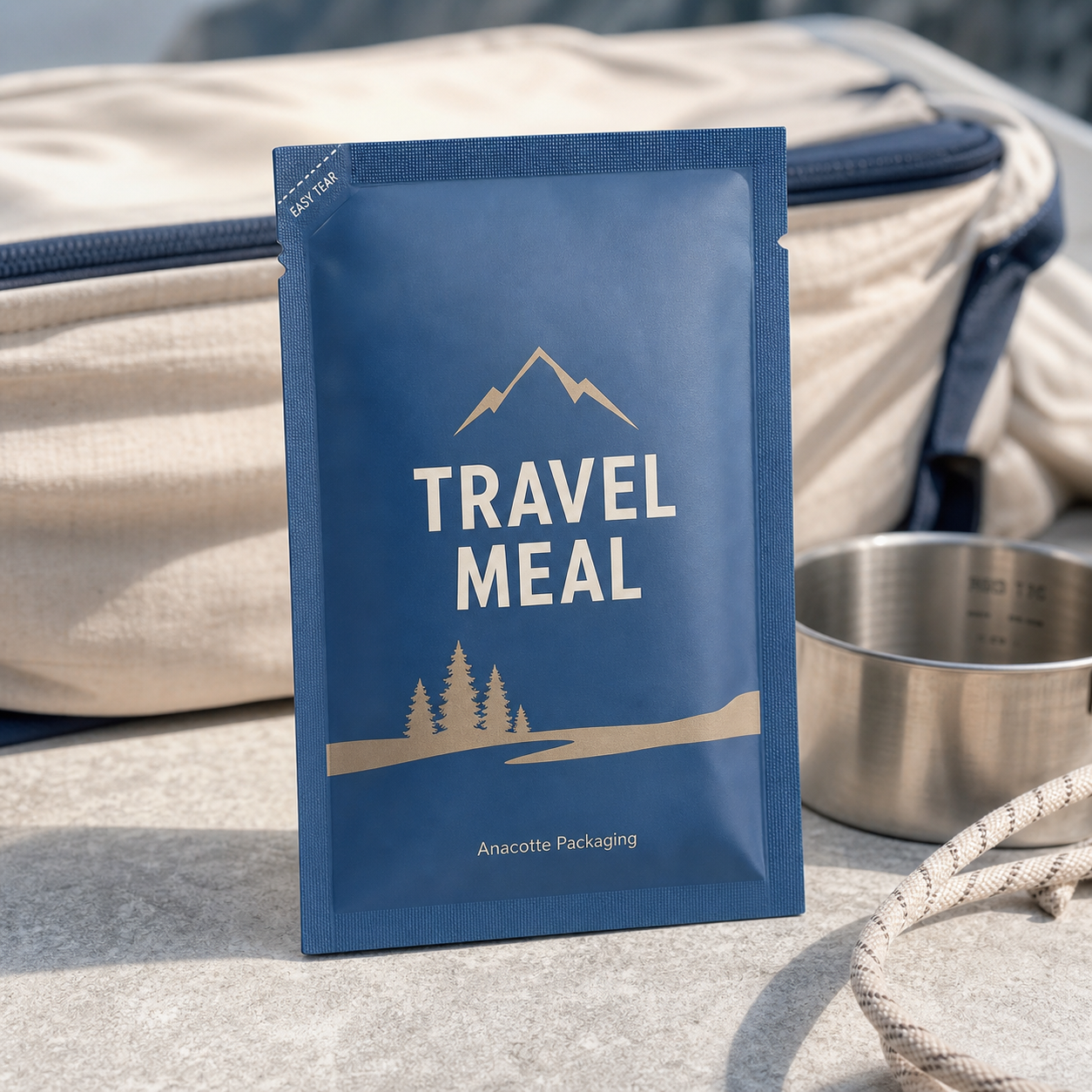
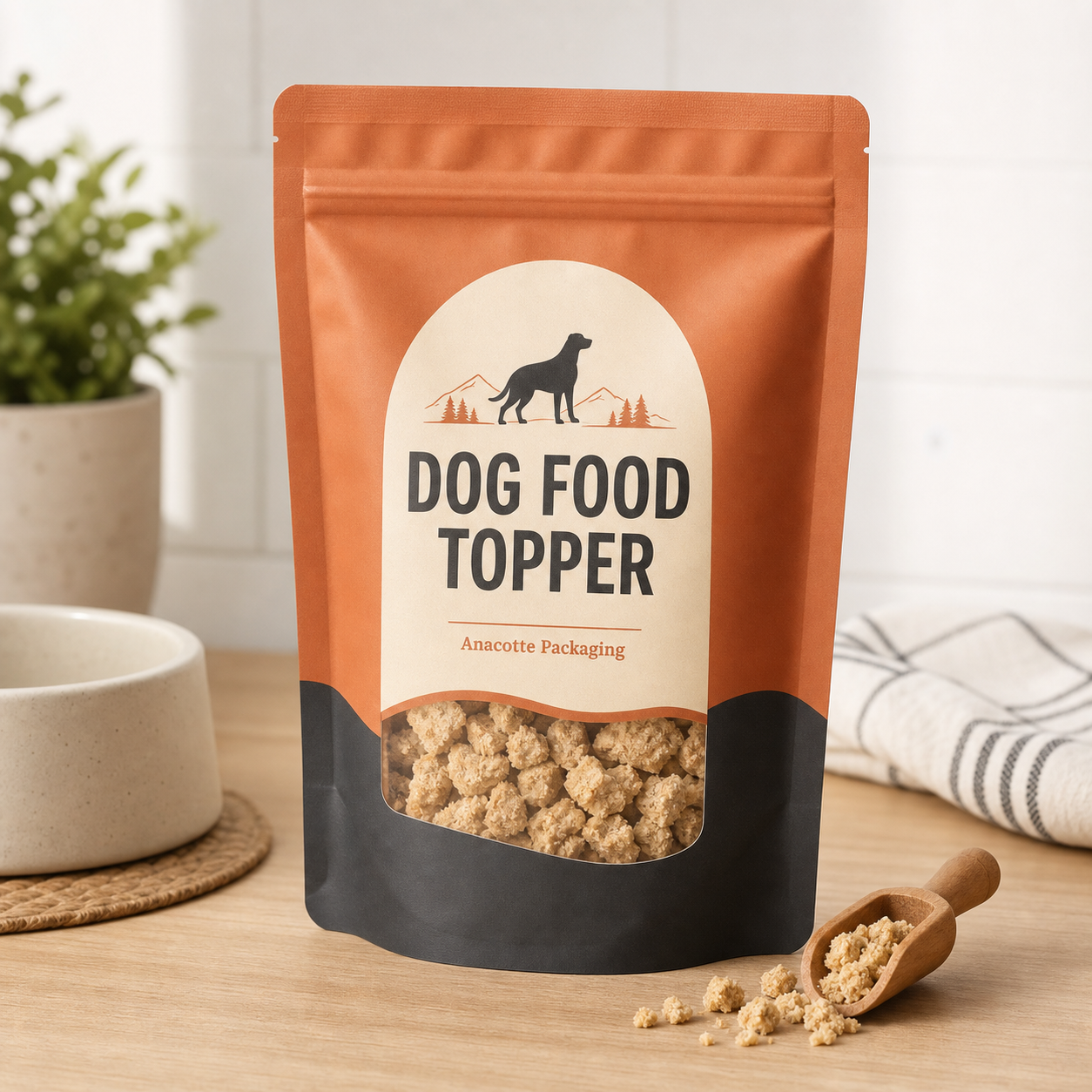
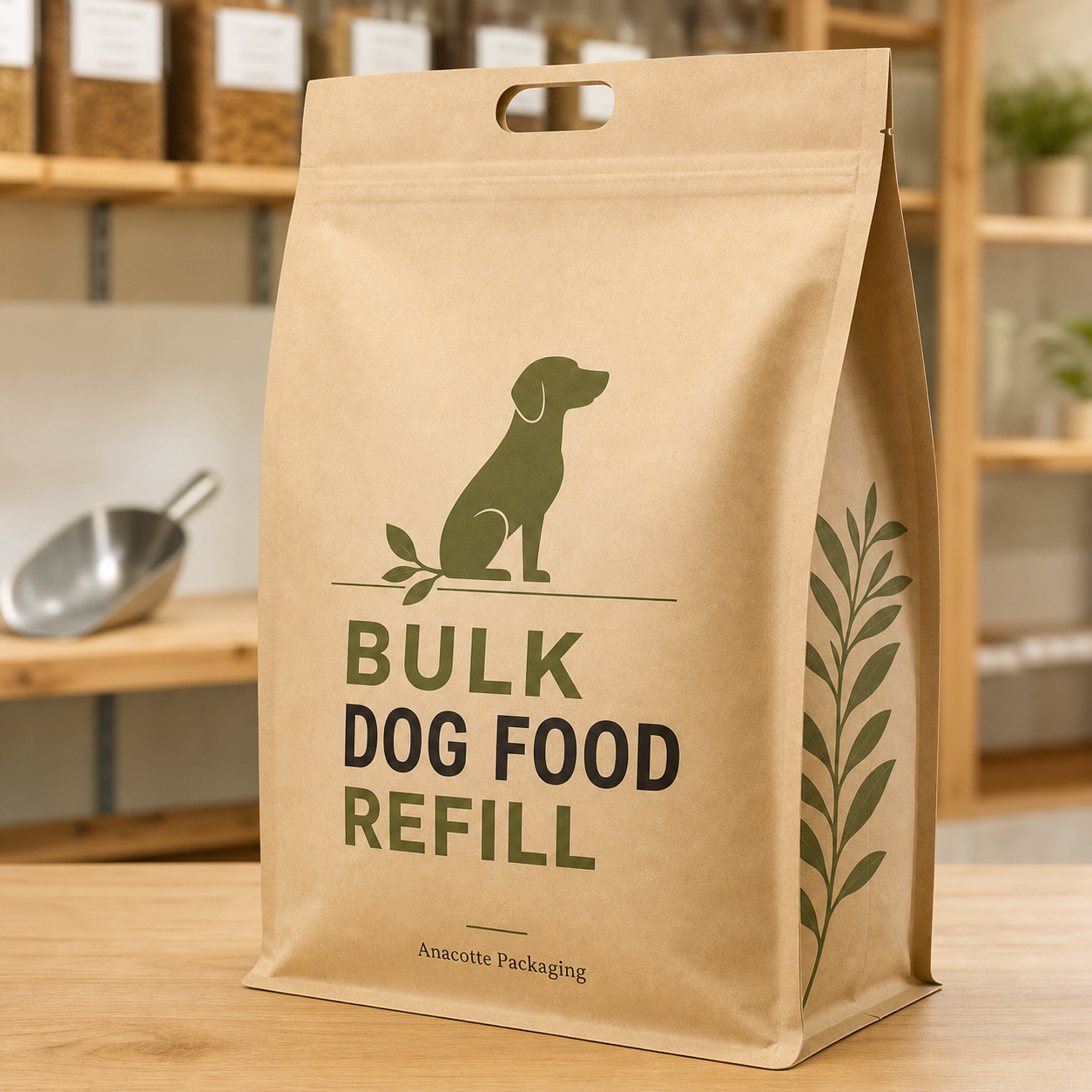
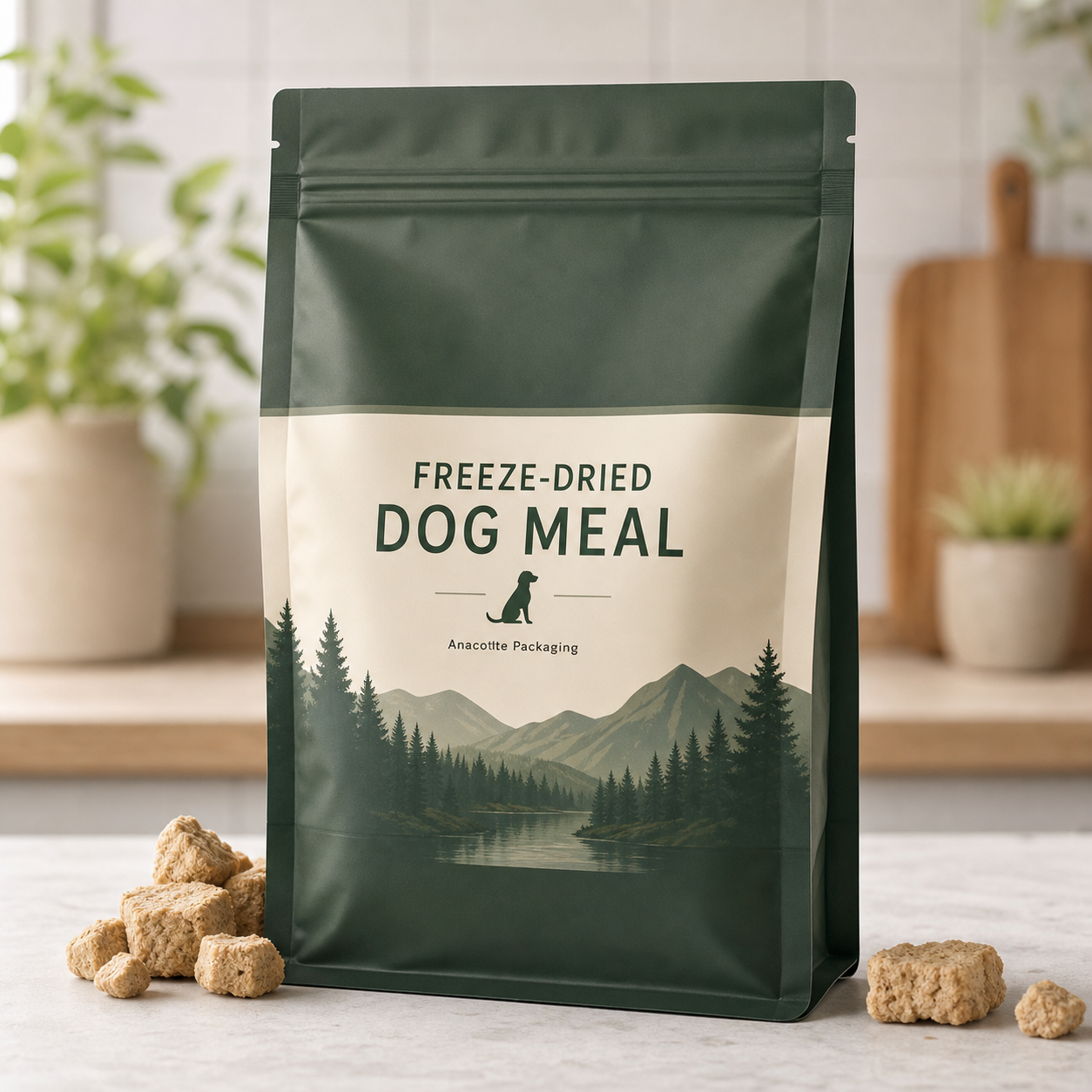
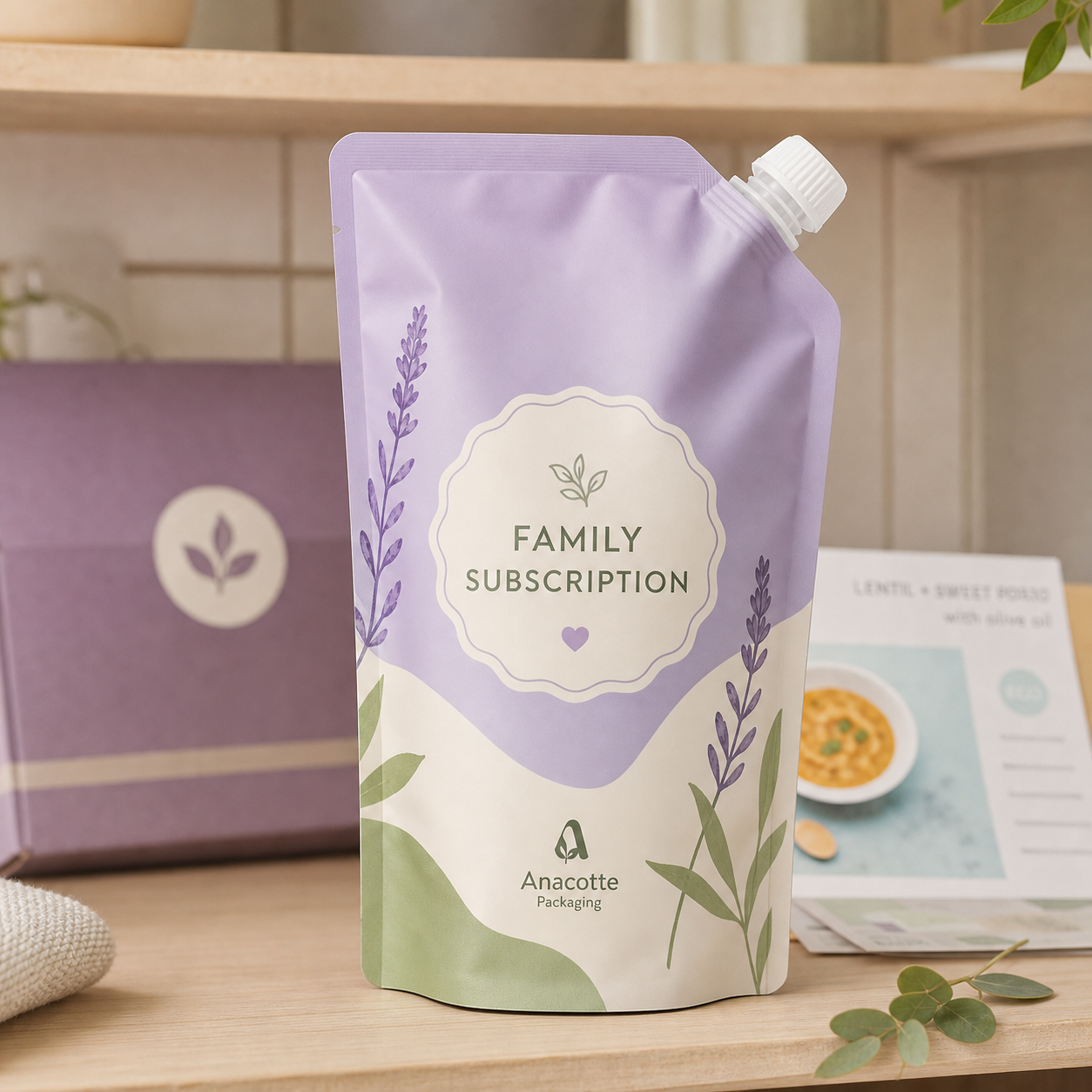
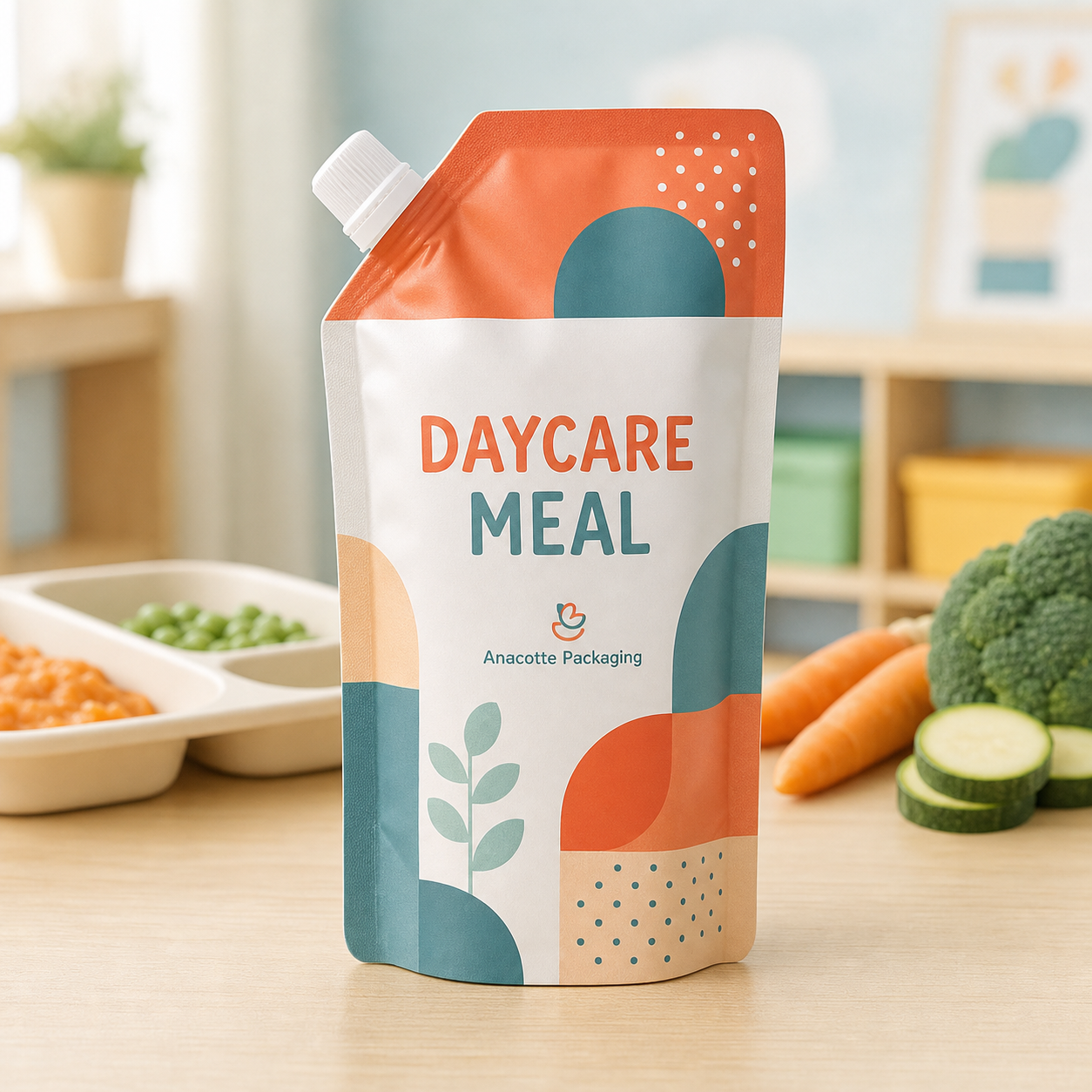
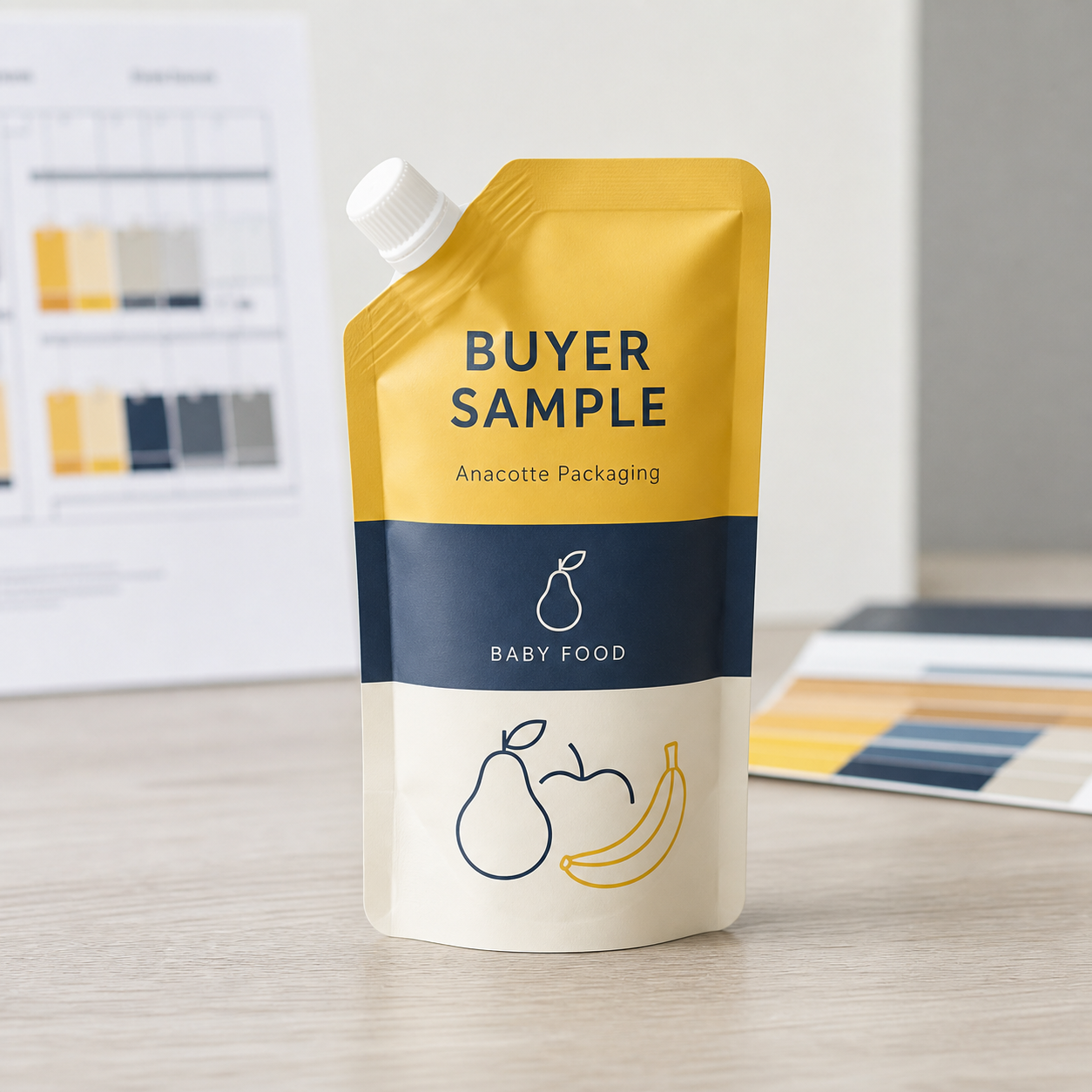
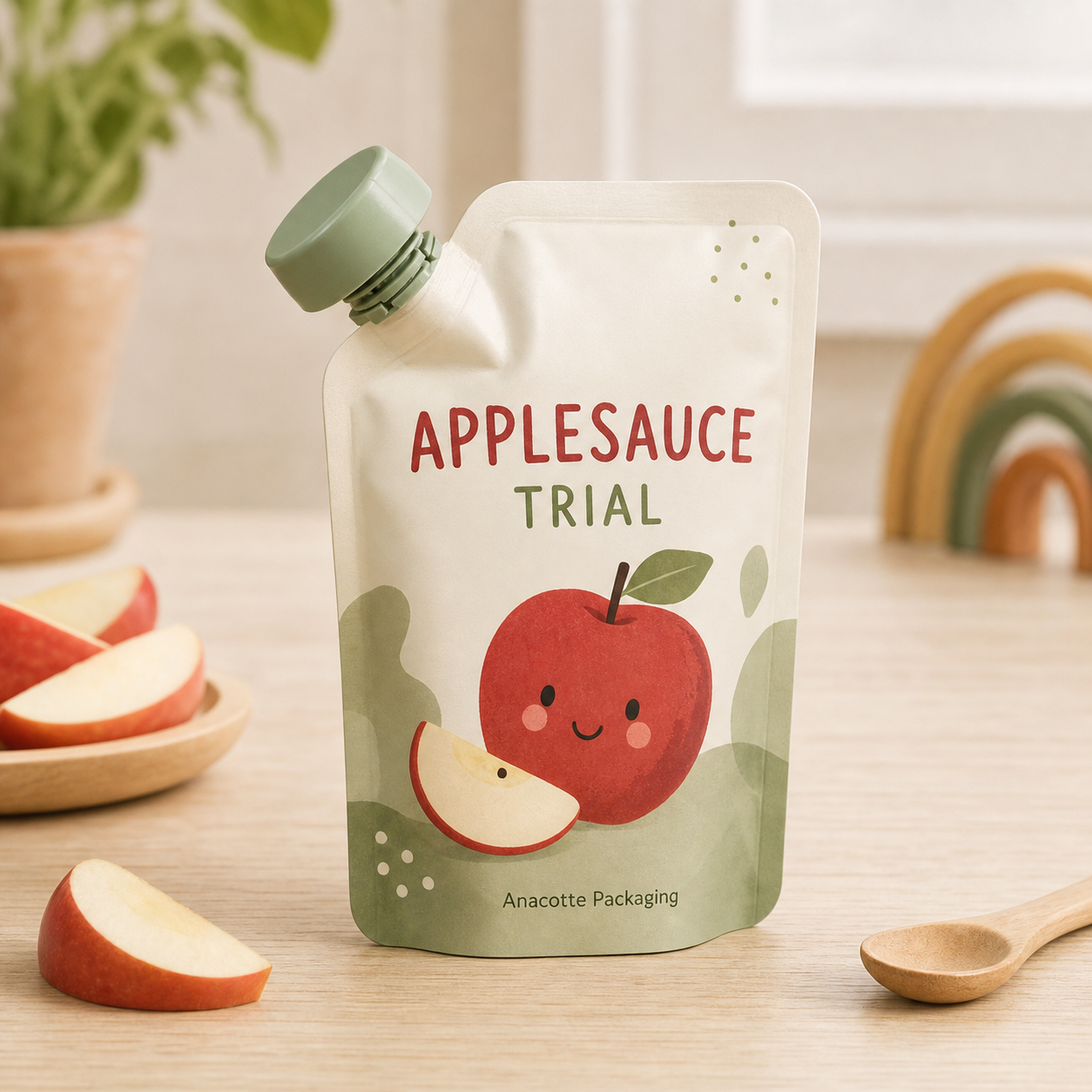

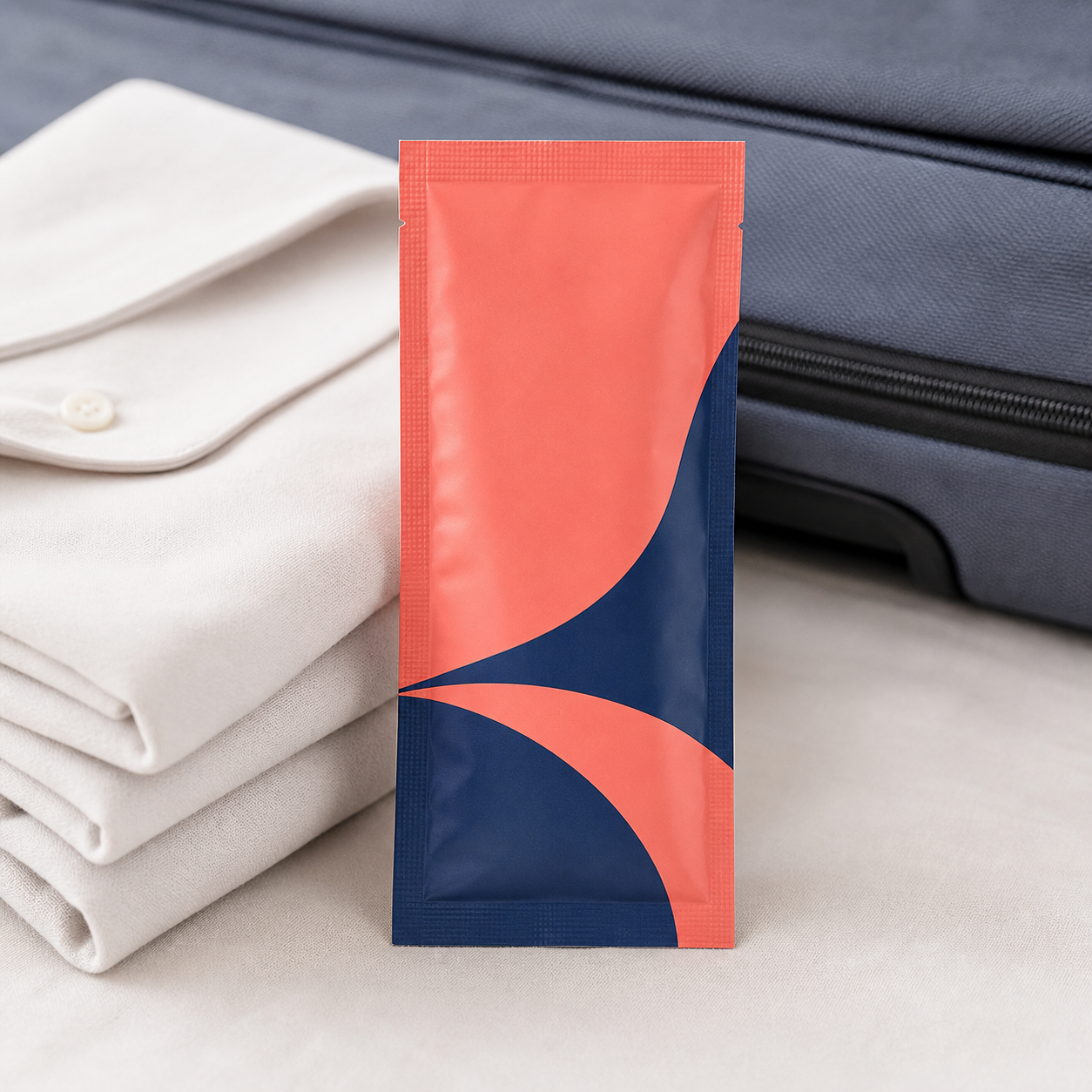
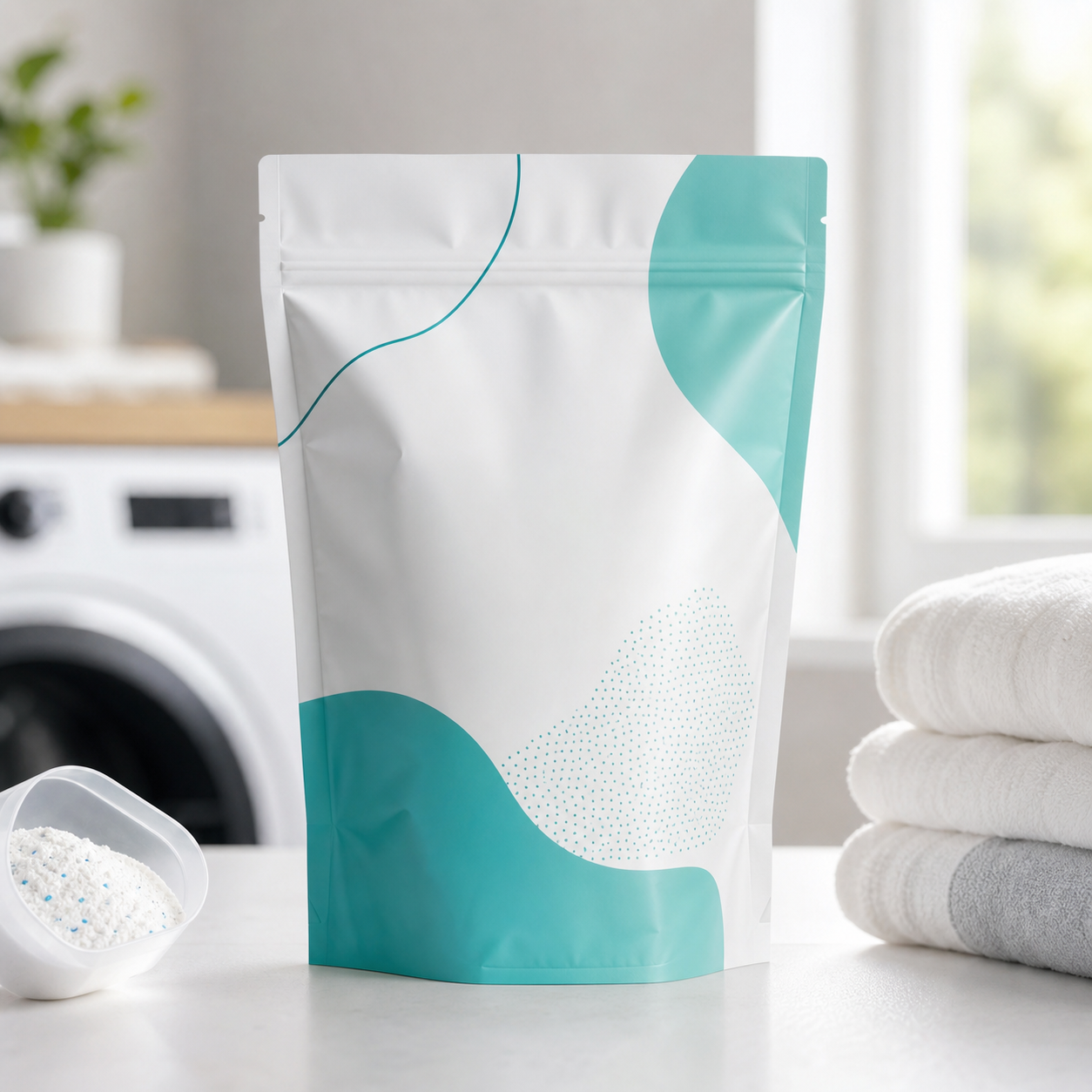

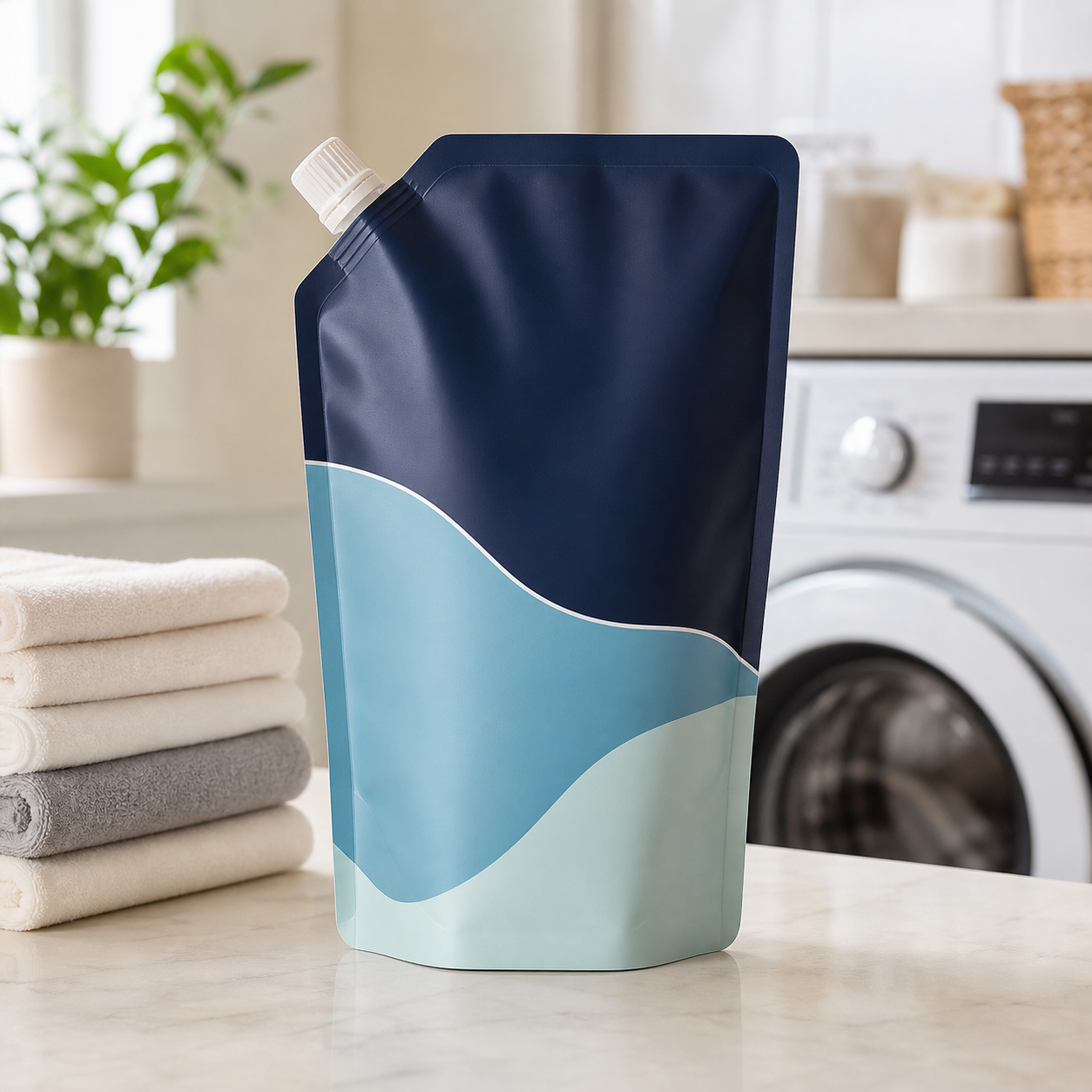
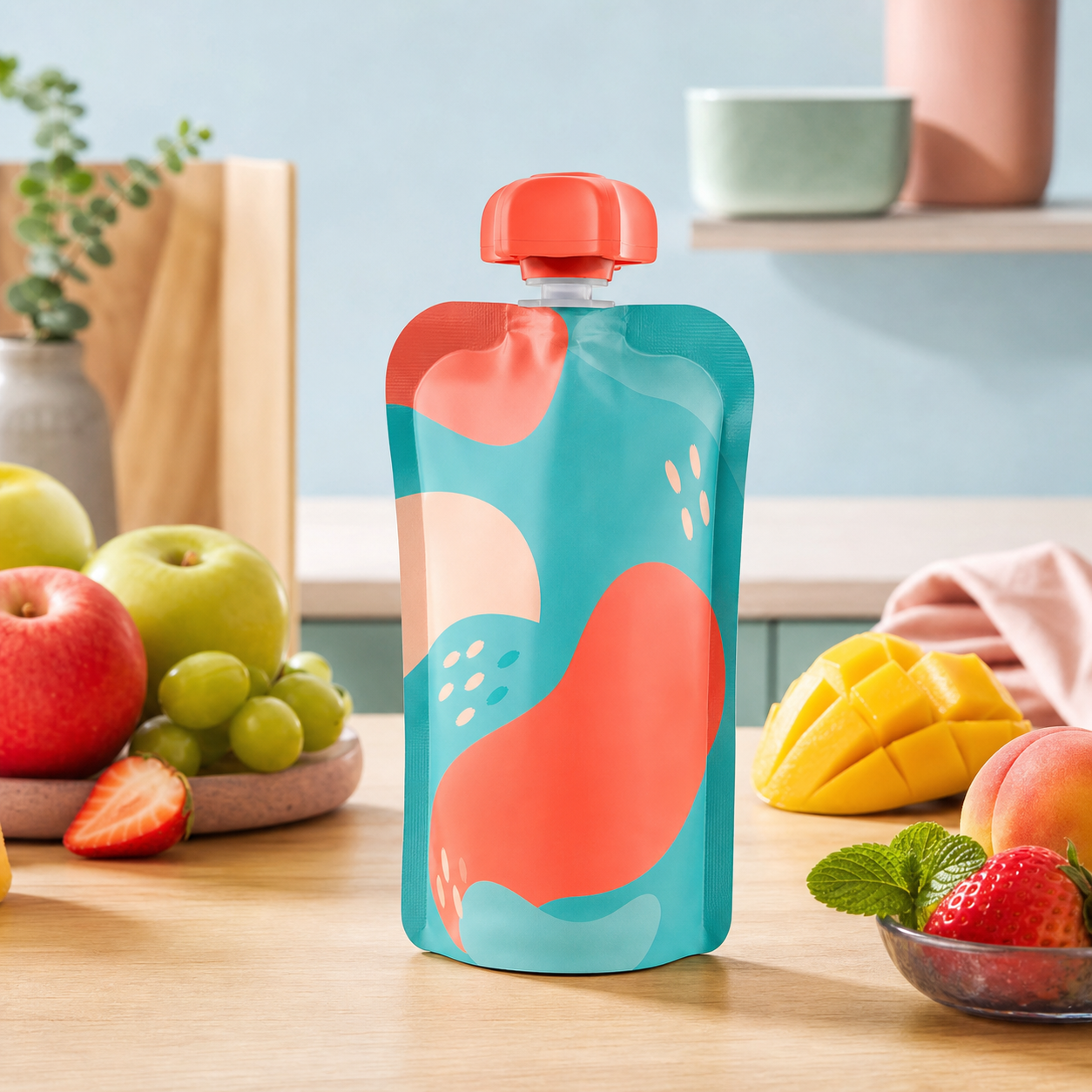
Collection guide
Low MOQ packaging helps brands test demand, launch several artwork SKUs, or validate a new format before committing to a larger production run. Compare stock, prototype, digital-print, flexographic and rotogravure paths against the total project—not only the unit price.
Low MOQ packaging should reduce launch risk, not hide it. Compare stock pouch, custom label, digital print, and custom production routes by product risk, SKU count, artwork status, and reorder expectation.
For a tighter quote, send fill weight, target quantity, pouch size, material or barrier needs, artwork readiness, sales channel, and launch timing. If shelf life matters, include storage and distribution conditions before choosing the lowest MOQ path.
Check the specification behind a low-MOQ quote
A 200-piece starting point applies to eligible projects, not automatically to every pouch construction or every design. Ask for total quantity, quantity per SKU, dimensions, material, closure, finish, samples, delivery and proof-approval requirements in the same written quote.
Published projects to help plan your launch
The powder sachet sizing project explains how actual fill checks informed the dieline. The soft-touch stand-up pouch project describes finish coverage and net-weight checks before print approval. These are individual project accounts, not universal price or delivery commitments.
For a live catalog example, compare the electrolyte sachet sample and starter-batch options. Use the multi-SKU packaging estimator to organize your quote inputs.
Startup food brands, beverages, sauces, supplements, pet products, personal-care refills, home-care liquids, private label and seasonal launches
Quote inputs: product and fill weight, pouch format and size, barrier and closure, quantity by SKU, artwork stage, filling process, destination and timing
Stock or blank sample: quickest format learning | Digital print: low setup and multi-SKU flexibility | Flexographic or rotogravure: stronger scale economics when volume and artwork stabilize
Related formats: custom stand-up pouches, spout pouches, flat pouches, sachets, rollstock and sample packaging
Material direction is product-specific: clear, kraft, foil barrier and mono-material options require compatibility, shelf-life and process validation
Decision tools