
Match the packaging format to product risk, filling method, and shelf channel.
Material comparison guide
Extrusion Lamination For High-Barrier Flexible Packaging
Extrusion Lamination For High-Barrier Flexible Packaging helps buyers compare packaging options, material trade-offs, MOQ paths, and quote inputs before choosing a pouch, film, or custom structure.
Need pricing for this exact packaging decision?
Share product type, fill weight, target quantity, material or barrier needs, artwork status, and launch timing. Anacotte can shortlist the practical structure before you over-spec the order.
Start an RFQCompare material, barrier, print, closure, and sustainability trade-offs before locking a spec.
Send product details, size target, quantity, and timing for a tighter quote.
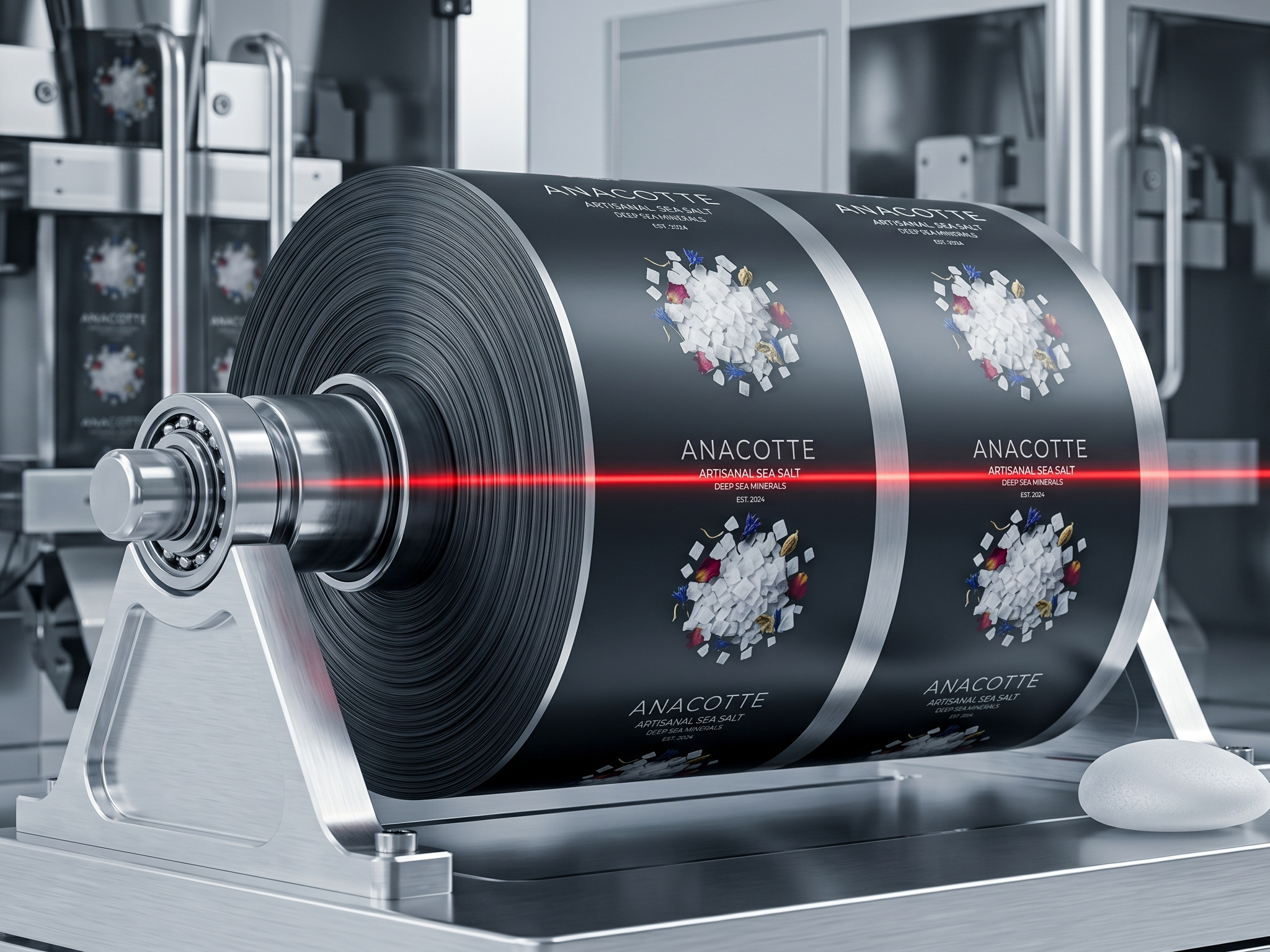
Extrusion Lamination for High-Barrier Flexible Packaging
Extrusion lamination is a converting process that bonds film, foil, paper, or other substrates with a layer of molten resin. In flexible packaging, it is often used when a pouch or rollstock structure needs stronger barrier, stiffness, seal performance, or handling strength than a single film can provide.
Extrusion lamination bonds film layers with molten resin and is commonly used when a flexible package needs stronger barrier, stiffness, or seal-performance targets than a single film can provide. For procurement teams, the practical question is not just "do we need lamination?" It is which layer solves which problem: oxygen, moisture, aroma, grease, stiffness, puncture, or seal reliability.
Co-extrusion vs extrusion lamination vs adhesive lamination
Co-extrusion forms multiple polymer layers together during film production. Extrusion lamination bonds existing substrates with molten resin. Adhesive lamination bonds layers with adhesive and is common in many pouch structures. These processes can overlap in real packaging programs, so the supplier brief should name the product, fill method, shelf-life target, and sales market before locking a structure.
| Process | What it does | Best-fit packaging need | Buyer question |
|---|---|---|---|
| Co-extrusion | Forms multiple polymer layers together | Tuned sealant and film performance | Which resin layers are required? |
| Extrusion lamination | Bonds substrates with molten resin | Stiffer or higher-barrier laminates | Which layer provides barrier? |
| Adhesive lamination | Bonds layers with adhesive | Many multi-layer pouch structures | What curing and compliance limits apply? |
Where extrusion-laminated structures are used
High-barrier flexible packaging often needs a controlled balance of printable surface, barrier layer, body stiffness, and sealant layer. Coffee, dry foods, pet treats, refill pouches, and rollstock can all use laminated structures, but each product creates different failure risks. Coffee prioritizes aroma and oxygen control. Refill pouches need drop resistance and fitment compatibility. Dry foods may need moisture protection without overbuilding cost.
Failure modes to brief before production
- Delamination: layers separate because bond strength, curing, or product compatibility was not matched.
- Poor seal window: the sealing layer does not tolerate the actual line speed, heat, pressure, or contamination.
- Stiffness mismatch: the pack is too rigid for filling or too soft for shelf presentation.
- Pinholes or flex cracks: barrier performance drops after distribution stress.
Related internal paths include extrusion lamination, rollstock packaging, high-barrier packaging, and coffee and tea packaging.
Frequently Asked Questions
Is extrusion lamination the same as co-extrusion?
No. Co-extrusion forms multiple layers together, while extrusion lamination uses molten resin to bond existing substrates.
When should a brand ask about extrusion lamination?
Ask when the product needs stronger barrier, stiffness, seal performance, or a film structure that a single web cannot provide.
Can extrusion-laminated packaging be recyclable?
It depends on the structure and target market. Mono-material designs are easier to position for recycling than mixed-material laminates.
Request quote support
Send product specs for a packaging recommendation
Tell us your product, target pack size, barrier needs, quantity, artwork status, and timing. We will help you narrow the right packaging direction before you lock the spec.
Get direction on pouch type, film structure, closure, finish, and shelf-life risk before locking a specification.
Share your target run size so we can compare digital, custom, and bulk production trade-offs.
Include filling method, pack size, material preference, artwork status, and launch timing for a more precise reply.