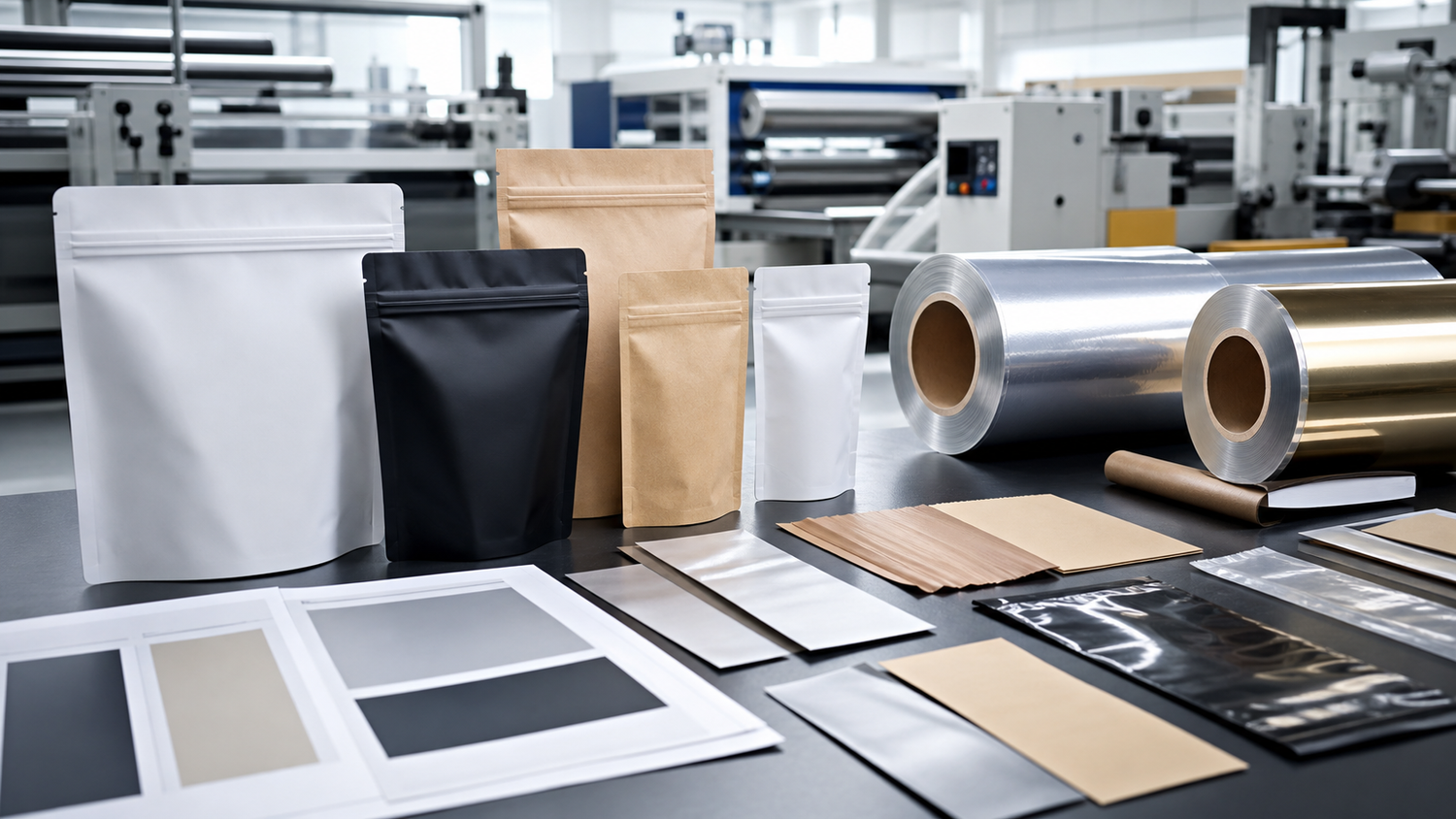
This guide is about packaging only: pouch formats, barrier materials, moisture control, print planning, label space, low MOQ testing, and supplier questions. It does not discuss product effects, consumption methods, dosage, medical advice, recreational advice, or legal conclusions.
CBD packaging bags are often bought too late in the launch process. The formula, SKU names, and artwork may be ready, but the pouch structure still has open questions: paper look or film look, transparent window or full barrier, zipper type, label panel, finish, and minimum order quantity. That is the wrong moment to discover that the artwork does not fit the bag.
Anacotte Packaging sees this most often with small brands using low MOQ packaging for several SKUs. The better path is to define the bag as a packaging system before asking for a price.

Start with the product's packaging risk, not the color
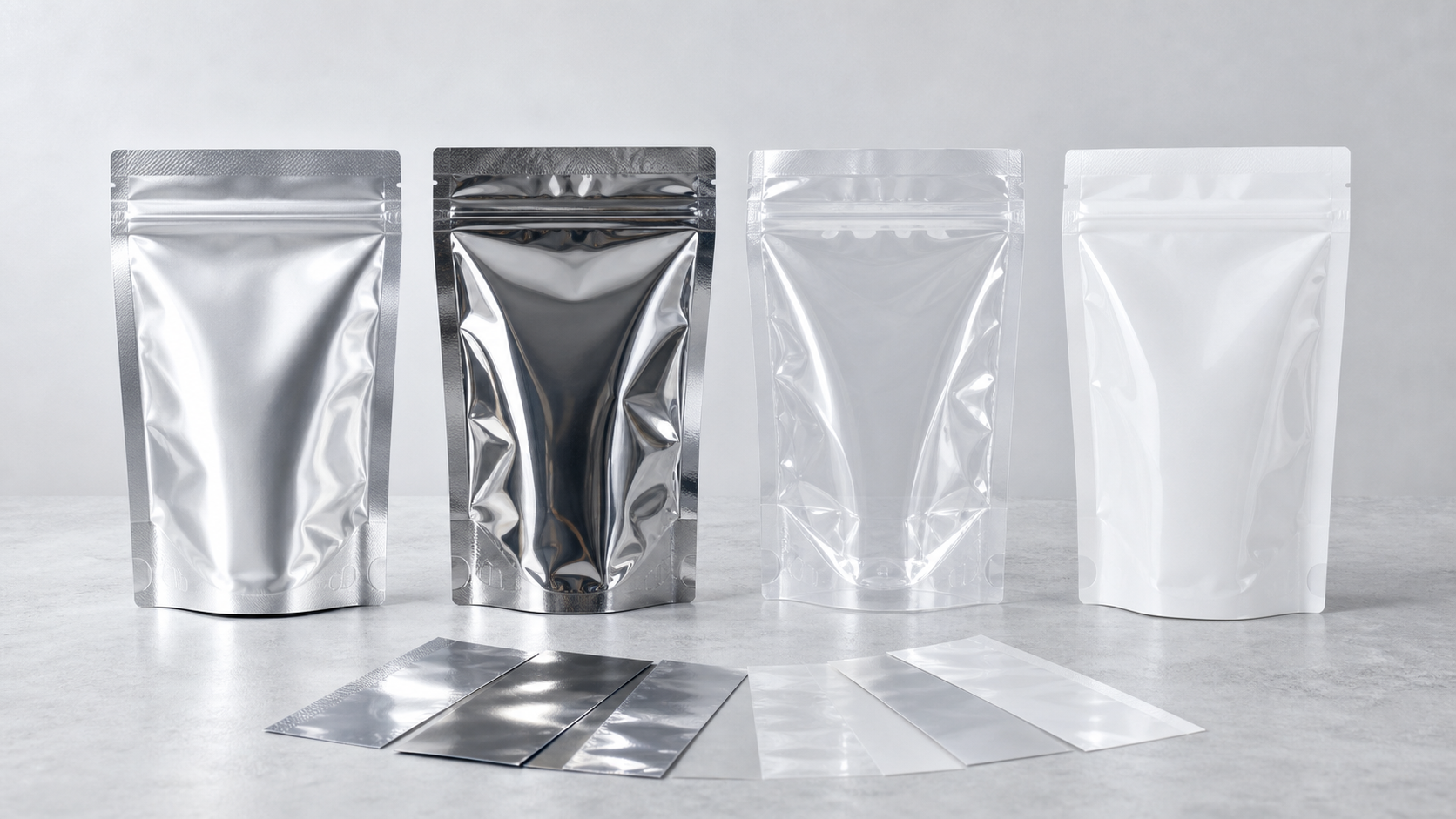
A pouch for a dry supplement, gummy, capsule, powder, or sample sachet can need different protection. Buyers should ask for the structure by function: oxygen barrier, moisture barrier, light blocking, puncture resistance, zipper performance, and shelf presentation. The FDA's page on food contact substances is useful context when teams are thinking about packaging materials that may touch regulated goods, although the final review belongs with the brand's own compliance process.
For Anacotte's high barrier packaging, the tradeoff is usually practical: more protection can add cost, affect recyclability, and change the feel of the pouch. Do not ask for the thickest bag by default. Ask which structure protects the product while still fitting the launch budget.
Plan label space before artwork is final
CBD packaging teams often leave compliance preparation to the label stage. That creates rework. Keep a clear front panel, a back panel with enough room for required brand information, batch or barcode space, and any review placeholder your team expects to need. This is packaging preparation, not legal advice.

If sustainability language appears on the pack, check the claim with care. The FTC's Green Guides are a good reference for avoiding vague environmental claims. For recyclable flexible packaging direction, use design resources such as the APR Design Guide and CEFLEX guidelines, then test the actual structure with the supplier.
Use low MOQ to test the pouch system
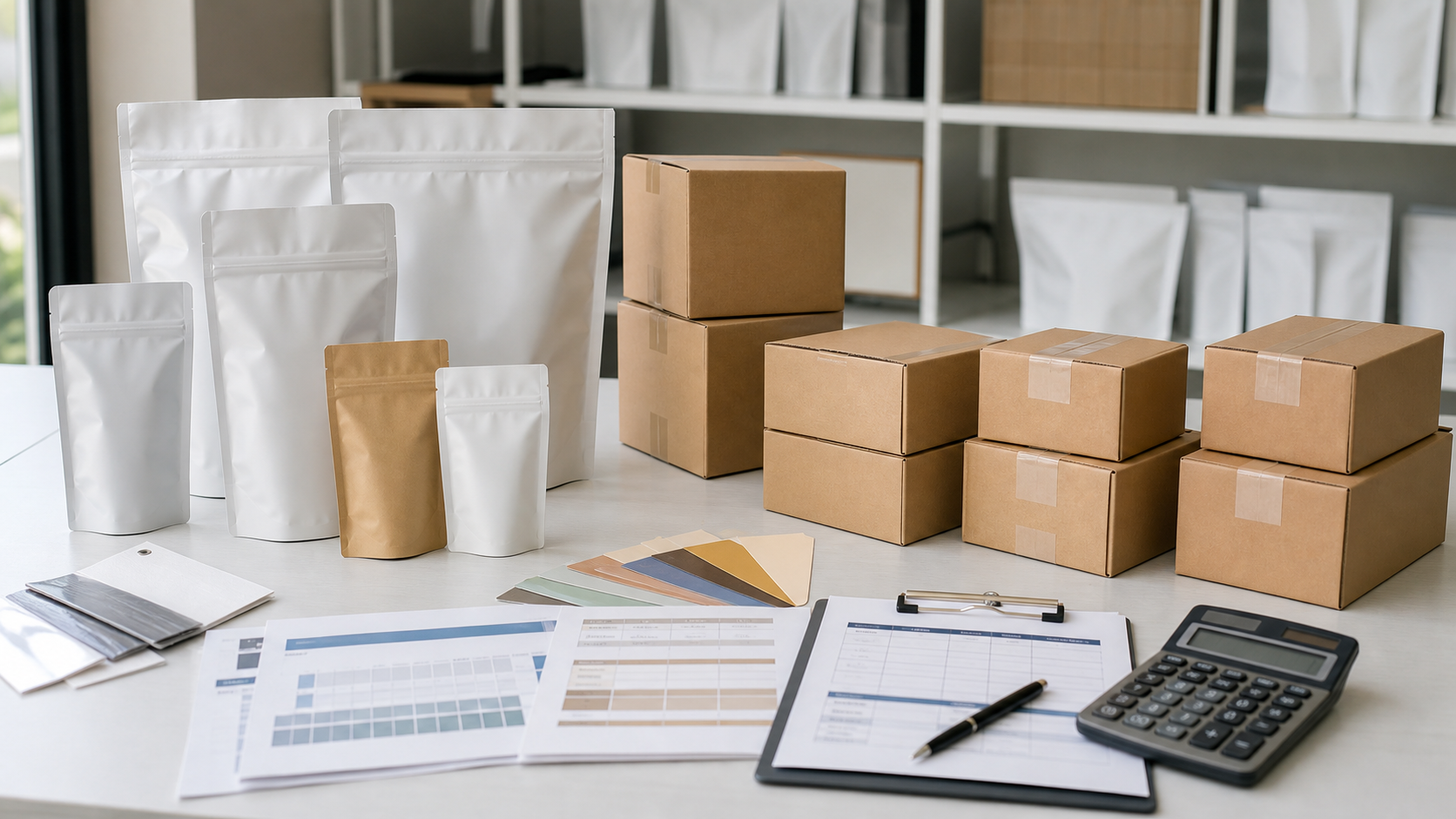
Low MOQ is useful when a CBD brand has several sizes, flavors, or regional label versions. Instead of buying a large run for every design, a brand can test pouch size, artwork contrast, zipper feel, carton fit, and label readability. Anacotte's customized packaging and stand up pouches are often the starting points for that work.

Quote-ready checklist
- Bag format: stand up pouch, flat pouch, flat bottom pouch, or sample sachet.
- Target fill weight and product form.
- Barrier priority: moisture, oxygen, light, odor, or puncture resistance.
- Closure: zipper, tear notch, hang hole, or child-resistant feature if required by the buyer's review process.
- Artwork status: final files, draft files, or template request.
- SKU map: number of designs, quantity per design, and expected reorder timing.
For a quote, send Anacotte your pouch format, SKU table, fill target, material preference, and artwork status. Compare flat bottom pouches, review recyclable packaging options where suitable, or use the get a quote page when the brief is ready.

Hinterlasse einen Kommentar
Diese Website ist durch hCaptcha geschützt und es gelten die allgemeinen Geschäftsbedingungen und Datenschutzbestimmungen von hCaptcha.