
Match the packaging format to product risk, filling method, and shelf channel.
Packaging decision guide
Rotogravure Printing For Flexible Packaging
Rotogravure Printing For Flexible Packaging helps buyers compare packaging options, material trade-offs, MOQ paths, and quote inputs before choosing a pouch, film, or custom structure.
Need pricing for this exact packaging decision?
Share product type, fill weight, target quantity, material or barrier needs, artwork status, and launch timing. Anacotte can shortlist the practical structure before you over-spec the order.
Start an RFQCompare material, barrier, print, closure, and sustainability trade-offs before locking a spec.
Send product details, size target, quantity, and timing for a tighter quote.
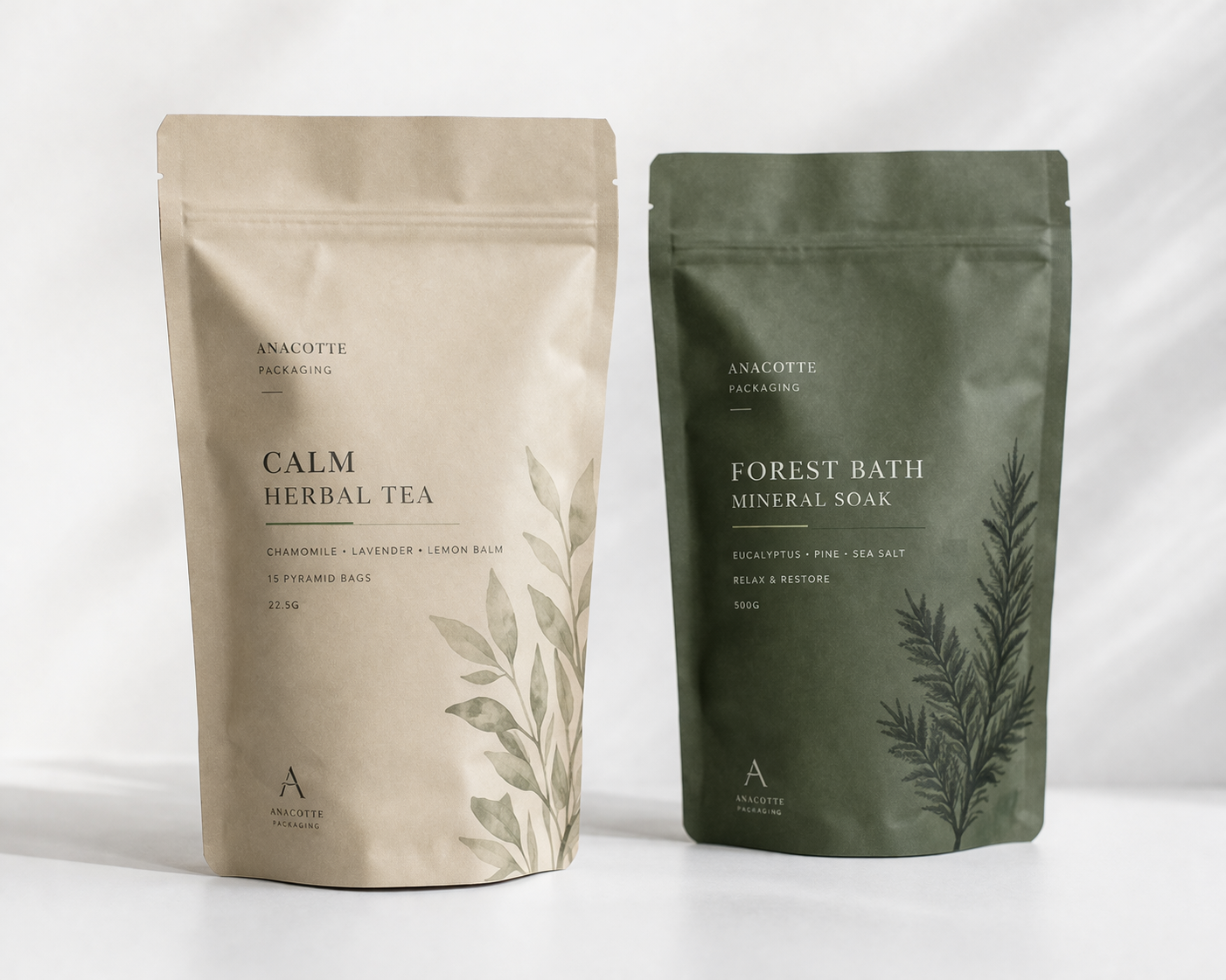
Rotogravure Printing for Flexible Packaging
Rotogravure printing is a cylinder-based print process used for flexible packaging programs that need consistent color, fine image detail, and repeatable output across film, pouch, and rollstock runs. It is not the cheapest way to test a new SKU, but it can become the right path once artwork, demand, and repeat volume are stable.
Rotogravure printing is usually best for repeatable flexible-packaging programs where volume, color consistency, and fine-detail graphics can justify cylinder setup costs. For buyers comparing digital, flexo, and gravure, the decision is less about which process is "best" and more about which process matches the launch stage, order size, substrate, color target, and future reorder plan.
When does rotogravure beat digital printing?
Rotogravure starts to make sense when a brand is moving beyond test batches and needs the same design reproduced across larger orders. The upfront cylinder cost can be hard to justify for trial runs, limited editions, or many small artwork changes. For repeat production, those cylinders support stable color, smooth gradients, and premium shelf presentation on rollstock, stand-up pouches, flat pouches, sachets, and other film-based formats.
- Choose digital when the priority is low MOQ, fast artwork changes, or many launch SKUs.
- Consider flexo for labels, simpler graphics, and mid-volume packaging where plate setup fits the budget.
- Use rotogravure when fine detail, strong repeatability, and longer production runs matter more than setup speed.
Rotogravure vs digital vs flexographic printing
| Print path | Best fit | MOQ or volume signal | Watch-outs |
|---|---|---|---|
| Digital | Launch SKUs, tests, fast changes | Low to mid volume | Higher unit cost at scale |
| Flexo | Labels, simpler graphics, some film work | Mid volume | Plate and color limits vary |
| Rotogravure | Repeat runs, fine detail, premium film graphics | Larger repeat volume | Cylinder setup and longer prep |
Buyer checklist before choosing rotogravure
Before approving cylinders, align the package format, film structure, artwork version, proofing standard, and reorder plan. A pouch for coffee, pet treats, or supplements may need a different barrier film and sealant layer than a basic dry-goods pack, which means print decisions should be reviewed together with the material structure.
For related sourcing paths, compare digital printing, gravure printing, rollstock packaging, and stand-up pouches.
Frequently Asked Questions
Is rotogravure printing worth it for low-MOQ packaging?
Usually no. Low-MOQ launches often fit digital printing first, then move to rotogravure when artwork, demand, and repeat volume are stable.
Why is rotogravure common in flexible packaging?
It can deliver consistent color, fine image detail, and strong repeatability across film-based packaging when volumes justify the setup.
Does rotogravure work for recyclable or high-barrier pouches?
It can, but the final structure depends on the film, ink system, barrier target, and sales market requirements.
Request quote support
Send product specs for a packaging recommendation
Tell us your product, target pack size, barrier needs, quantity, artwork status, and timing. We will help you narrow the right packaging direction before you lock the spec.
Get direction on pouch type, film structure, closure, finish, and shelf-life risk before locking a specification.
Share your target run size so we can compare digital, custom, and bulk production trade-offs.
Include filling method, pack size, material preference, artwork status, and launch timing for a more precise reply.