
Match the packaging format to product risk, filling method, and shelf channel.
Pouch packaging guide
Pouch Closure Types
Pouch Closure Types helps buyers compare packaging options, material trade-offs, MOQ paths, and quote inputs before choosing a pouch, film, or custom structure.
Need pricing for this exact packaging decision?
Share product type, fill weight, target quantity, material or barrier needs, artwork status, and launch timing. Anacotte can shortlist the practical structure before you over-spec the order.
Start an RFQCompare material, barrier, print, closure, and sustainability trade-offs before locking a spec.
Send product details, size target, quantity, and timing for a tighter quote.
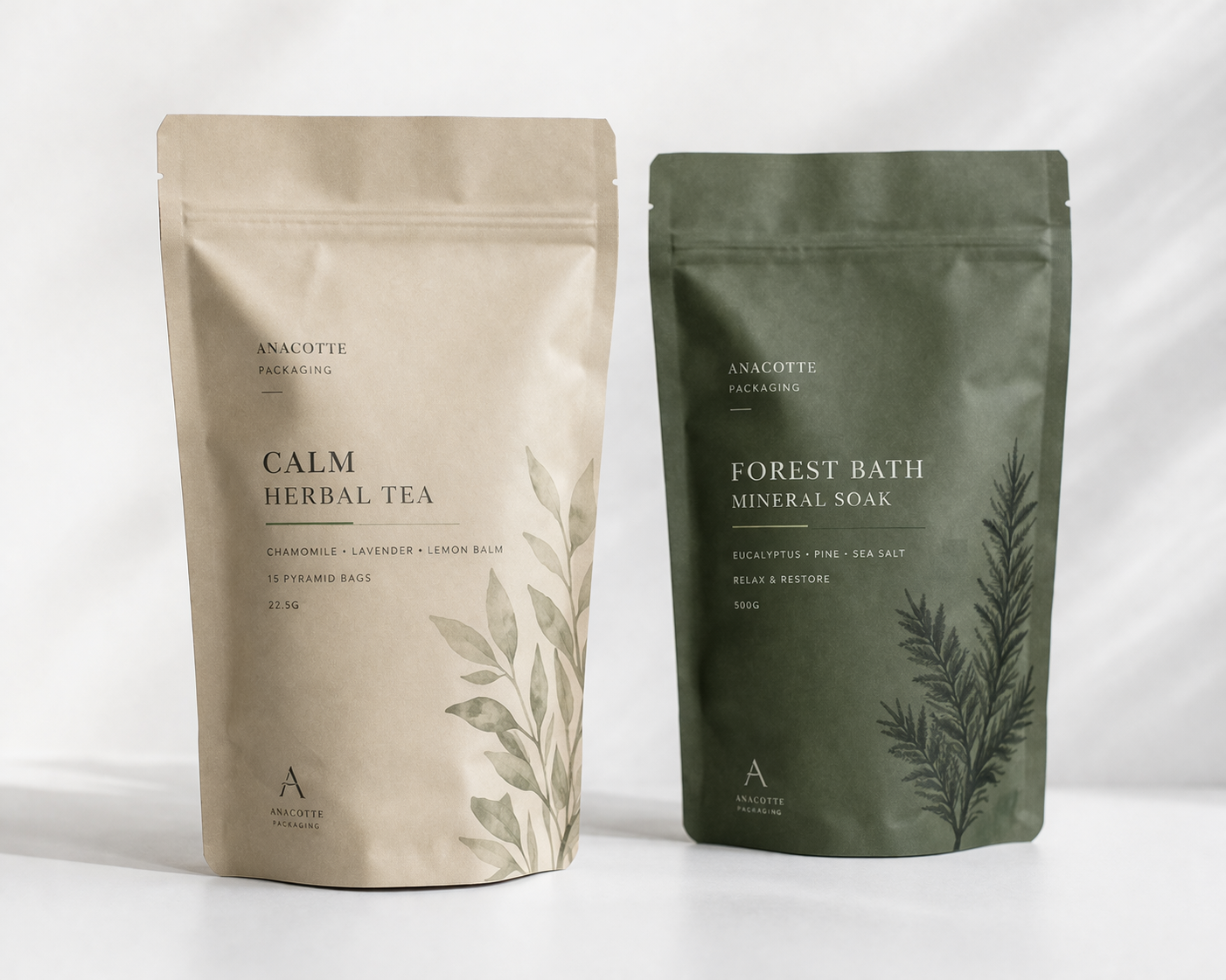
Pouch Closure Types
Pouch closures affect how consumers open, pour, reseal, store, and reuse the package.
Pouch closure type should be chosen by product form, repeat-use needs, child access, dispensing control, fill process, and how the closure changes usable pouch space.
TL;DR
- Zippers help dry goods stay resealable.
- Spouts support controlled pouring for liquids and pastes.
- Valves can help products that release gas, such as coffee.
Decision table
| Closure | Best fit | Watch point |
|---|---|---|
| Zipper | Dry goods and snacks | Seal and headspace |
| Spout | Liquids and refills | Fitment and leak tests |
| Valve | Coffee and gas release | Placement and aroma barrier |
| Tear notch | Single open packs | Open force |
Related packaging resources
Stand up pouch sizes, Stand up pouches, Low MOQ packaging, Get a quote.
Frequently Asked Questions
What is the best pouch closure?
The best closure depends on product use and filling requirements.
Can pouches have both zipper and tear notch?
Yes, many resealable pouches use both.
Do closures raise cost?
They can, so match features to real consumer need.
Request quote support
Send product specs for a packaging recommendation
Tell us your product, target pack size, barrier needs, quantity, artwork status, and timing. We will help you narrow the right packaging direction before you lock the spec.
Get direction on pouch type, film structure, closure, finish, and shelf-life risk before locking a specification.
Share your target run size so we can compare digital, custom, and bulk production trade-offs.
Include filling method, pack size, material preference, artwork status, and launch timing for a more precise reply.