
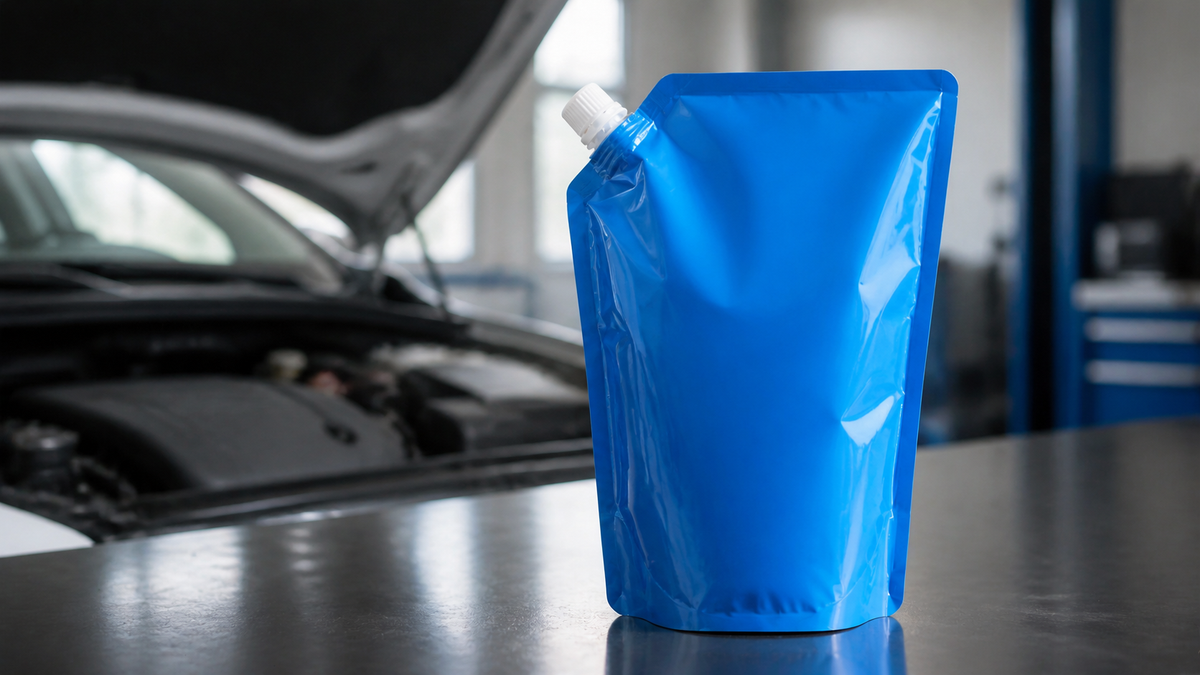
A windshield washer fluid pouch should be specified from the fluid and the use routine outward. A pouch image can show a convenient shape, but it cannot tell you whether the formula, fill temperature, cap fit, headspace, seals, and distribution conditions have been reviewed. Treat the format below as a starting hypothesis for a quote and sample conversation, not as a universal compatibility or performance claim.

Define the fluid project before choosing the pouch
Before asking for a final structure, write down the inputs that will change the package. A concentrated additive, a ready-to-use washer fluid, and another automotive liquid may need different fill volumes, closures, and review steps. The table is a practical first handoff:
| Input to define | Why it matters | What to send with the brief |
|---|---|---|
| Formula boundaries | Contact with the film, sealant, fitment, and cap should be reviewed against the actual recipe. | Ingredient or solvent boundaries, concentration range, and any known compatibility exclusions. |
| Target volume | Volume changes pouch width, height, bottom-gusset behavior, headspace, and case count. | Nominal fill, acceptable range, density if relevant, and whether the pack is a trial, retail, or refill size. |
| Fill route | A spout pouch can be filled on different equipment, and the fill point must stay clear of the seal area. | Filler or co-packer, nozzle approach, expected line speed, and whether samples will be filled by hand first. |
| Temperature profile | Storage, transport, and use temperatures can change how the filled pack should be screened. | Expected warehouse, parcel, garage, and seasonal temperature boundaries; do not substitute a generic winter claim. |
| Opening routine | A cap and spout are useful only if the buyer needs controlled pouring and possible reclosure. | One-time or repeated use, pour direction, cap handling, and how the fluid reaches the vehicle reservoir. |
The first decision is therefore not “which pouch looks strongest?” It is “what does this formula need the package to do, and what evidence will show that it does so for this project?”
Why a stand-up spout pouch is a useful starting hypothesis
For a larger or repeated-use automotive liquid, a stand-up pouch with a bottom gusset and a top-corner screw-cap spout is a reasonable format to investigate. The gusset gives the filled pouch a defined stance during handling, while the spout gives the user a controlled opening to discuss with the filler and package supplier. Neither feature proves that a specific formula will remain compatible, that a seal will hold, or that the pouch will pass a delivery route.
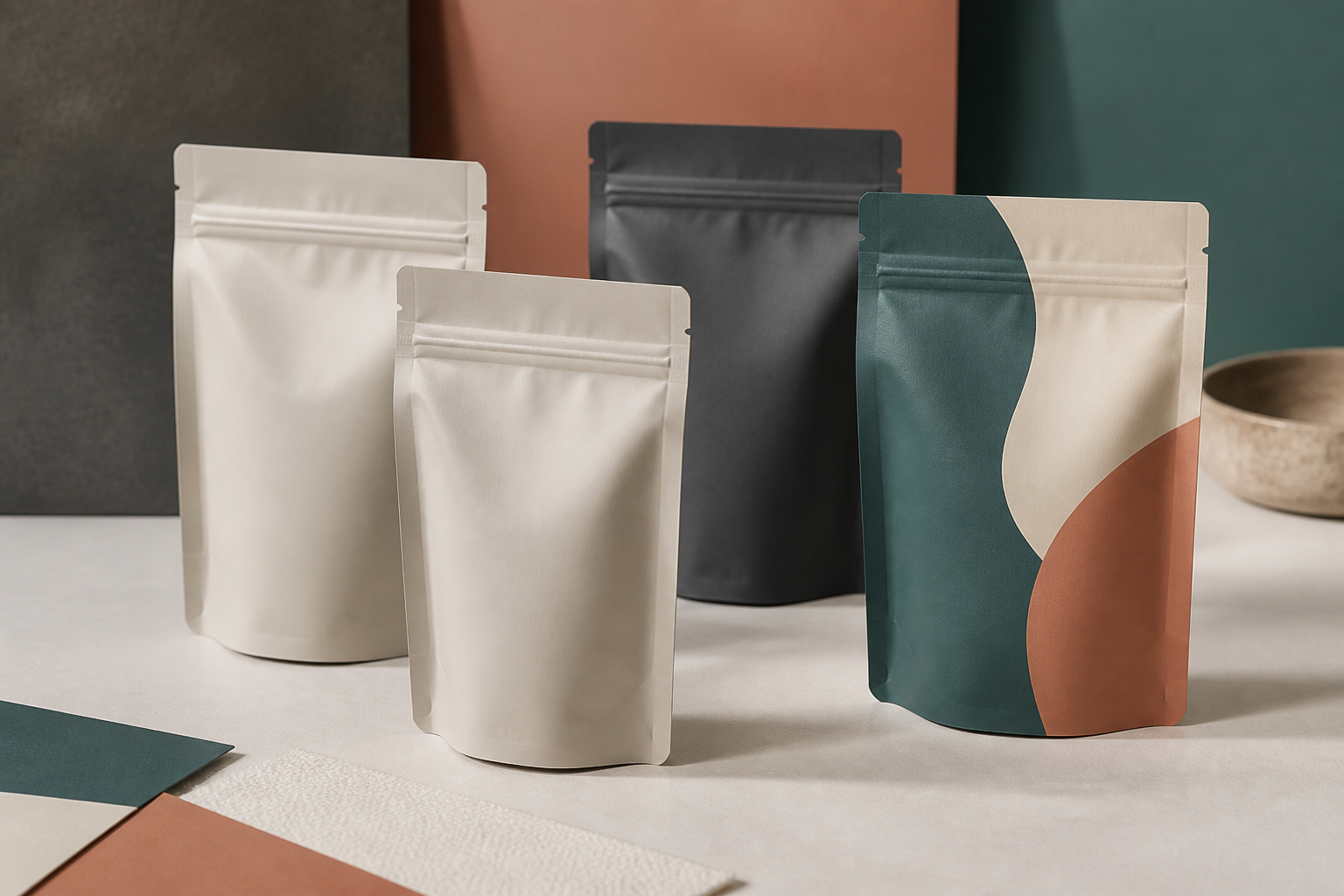
Review the fitment as a system rather than an isolated accessory. Confirm the neck and cap dimensions, cap torque, tamper approach if required by the project, nozzle access, pour angle, and the clearance between the fitment and the top seal. Ask for the supplier’s sample method and inspect the filled pouch in the same orientation the customer will use it. If the use case is a single measured dose, a flat sachet may deserve a separate comparison; it should not be forced into a multi-use spout brief.

Plan material, seal, and headspace questions
“Automotive liquid pouch” is an application description, not a complete film specification. Share the formula boundaries and expected storage range before choosing a laminate or sealant. The supplier should have enough information to recommend a candidate structure and identify what must be tested. Keep the wording conditional until filled samples have been reviewed.
Seal design deserves the same attention as the film. A liquid on the seal area can change the result of a seal process; a pouch that is overfilled can leave too little headspace for handling; and a fitment joint can create a different inspection point from the perimeter seal. Ask how the samples will be filled, how the seal window will be set, and which filled-pack inspections are appropriate. The article’s images show packaging setups and geometry, not validated results.

Use a cold-weather test sequence instead of a cold-weather promise
Washer fluid projects often cross seasonal storage and transport conditions. Start by describing the actual temperature profile rather than asking for a package that is simply “winter proof.” The test owner can then agree on a sequence that reflects the formula and route.
- Fill representative samples. Use the intended formula or a documented surrogate with the relevant physical and chemical boundaries. Record fill volume, fill temperature, headspace, cap application, and sample age.
- Inspect the fitment and seal. Check the cap, neck, spout joint, top seal, side seals, and bottom gusset before conditioning. Record any visible distortion or wetting at the seal.
- Condition across the defined range. Use the project’s agreed cold, ambient, and warm conditions. The purpose is to observe the filled pack after the selected conditioning, not to imply that every formula or film behaves the same way.
- Repeat the handling pattern. After conditioning, perform the agreed drop, compression, vibration, and orientation checks that resemble parcel, pallet, vehicle, or garage handling. Keep the sample count and acceptance criteria with the test record.
- Inspect after handling. Look for leaks, seal changes, fitment movement, cap behavior, pouch distortion, and label or code damage. A result is project evidence only when the formula, structure, process, and conditions are recorded together.

Current supplier examples show that washer-fluid pouches are a real market format, but the examples also reinforce the need for project-specific questions. Baolai’s washer-fluid spout-pouch page lists fitment, capacity, material, and filling options. Rainbow’s laminated spout-pouch listing shows another custom-size market example. These pages do not prove compatibility, leak performance, temperature performance, certification, or transport approval for your formula.
Prepare a quote-ready handoff
Send one concise brief instead of a product name alone. Include:
- Formula boundaries and a representative liquid description or sample route.
- Target fill volume, acceptable range, headspace preference, and number of SKUs.
- Filling equipment, co-packer, nozzle approach, and any known line constraints.
- Top-corner or top-center fitment preference, cap handling, and pour routine.
- Storage and distribution assumptions, including seasonal and parcel conditions.
- Requested pouch dimensions, bottom gusset, rounded corners, tear notch, finish, and code zones.
- Questions for the sample plan: formula contact review, seal window, fitment joint, cap torque, drop, compression, vibration, and temperature conditioning.
- Artwork status and the responsible owner for product instructions, warnings, net quantity, and any required market copy.
When should you compare a flat sachet?
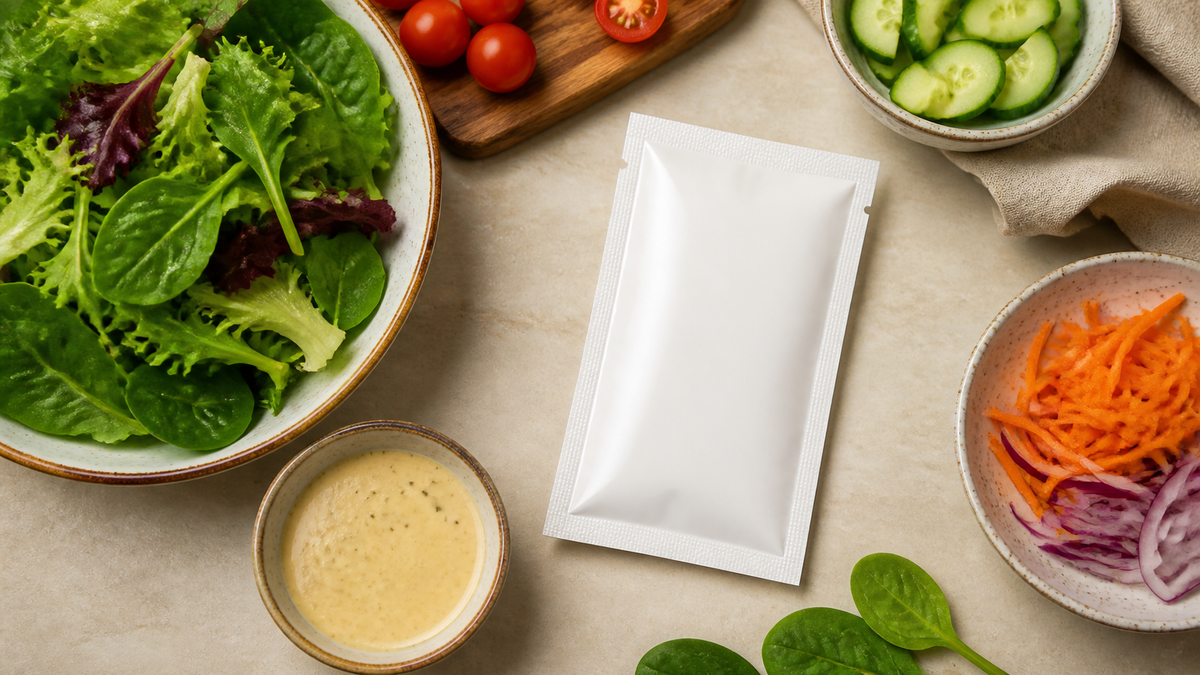
A flat sachet is worth comparing when the product is a single-use portion, the customer does not need reclosure, and the fill and case-pack process can protect the perimeter seal. It is a different use model from a standing, reclosable refill. The illustration below keeps the distinction visible without claiming that one format is always better.

FAQ: windshield washer fluid pouch packaging
Can a pouch hold windshield washer fluid?
A pouch can be a format to investigate, especially for a defined liquid refill or portion. The formula, film, sealant, fitment, filling process, temperature profile, and distribution route still need a project-specific review and filled-pack testing.
What should be tested first?
Start with representative fill samples and record the fitment, cap, headspace, seal process, and expected temperature range. Then agree on the handling checks that match the real route. Do not treat a supplier description or an empty-pouch photo as a test result.
Where can I compare the Anacotte starting format?
See the Anacotte Windshield Washer Fluid Pouch as a geometry and application reference, then share your project inputs for a quote discussion. For a broader process handoff, review what to confirm before requesting a hot-fill pouch quote and the refill-pouch discussion.
Share your formula boundaries, target volume, fill route, and temperature profile with Anacotte Packaging to start a project-specific pouch conversation.

댓글 남기기
이 사이트는 hCaptcha에 의해 보호되며, hCaptcha의 개인 정보 보호 정책 과 서비스 약관 이 적용됩니다.