Best Custom Packaging Options for Snack Brands
Snack packaging has to do more than hold a product. It protects crunch, aroma, oil control, portion size, retail presentation, ecommerce shipping, and the first impression a buyer forms in seconds. For chips, candy, nuts, cookies, dried fruit, granola, crackers, jerky, popcorn, and better-for-you snacks, the right packaging format can make the product feel fresher and more credible before the customer ever tastes it.
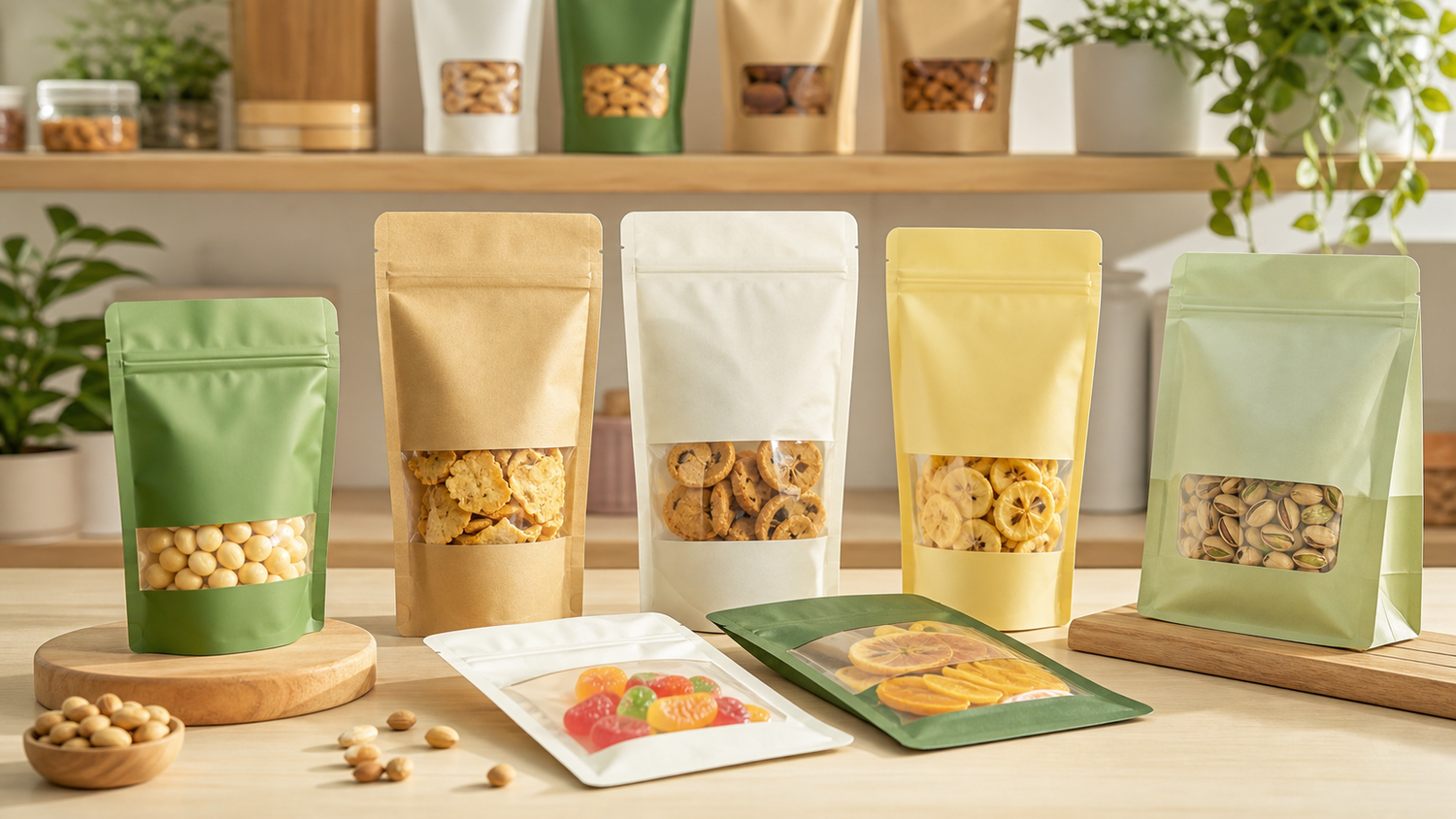
Quick answer: Most snack brands should compare stand up pouches, pillow bags or flow wrap, flat pouches, flat bottom pouches, and printed rollstock. Stand up pouches are usually the most flexible starting point for small and mid-size brands because they support zippers, tear notches, windows, matte finishes, and low MOQ launch paths. Rollstock is often better once a co-packer or automated filling line is involved. Flat bottom pouches work well for premium snacks that need stronger shelf presence.
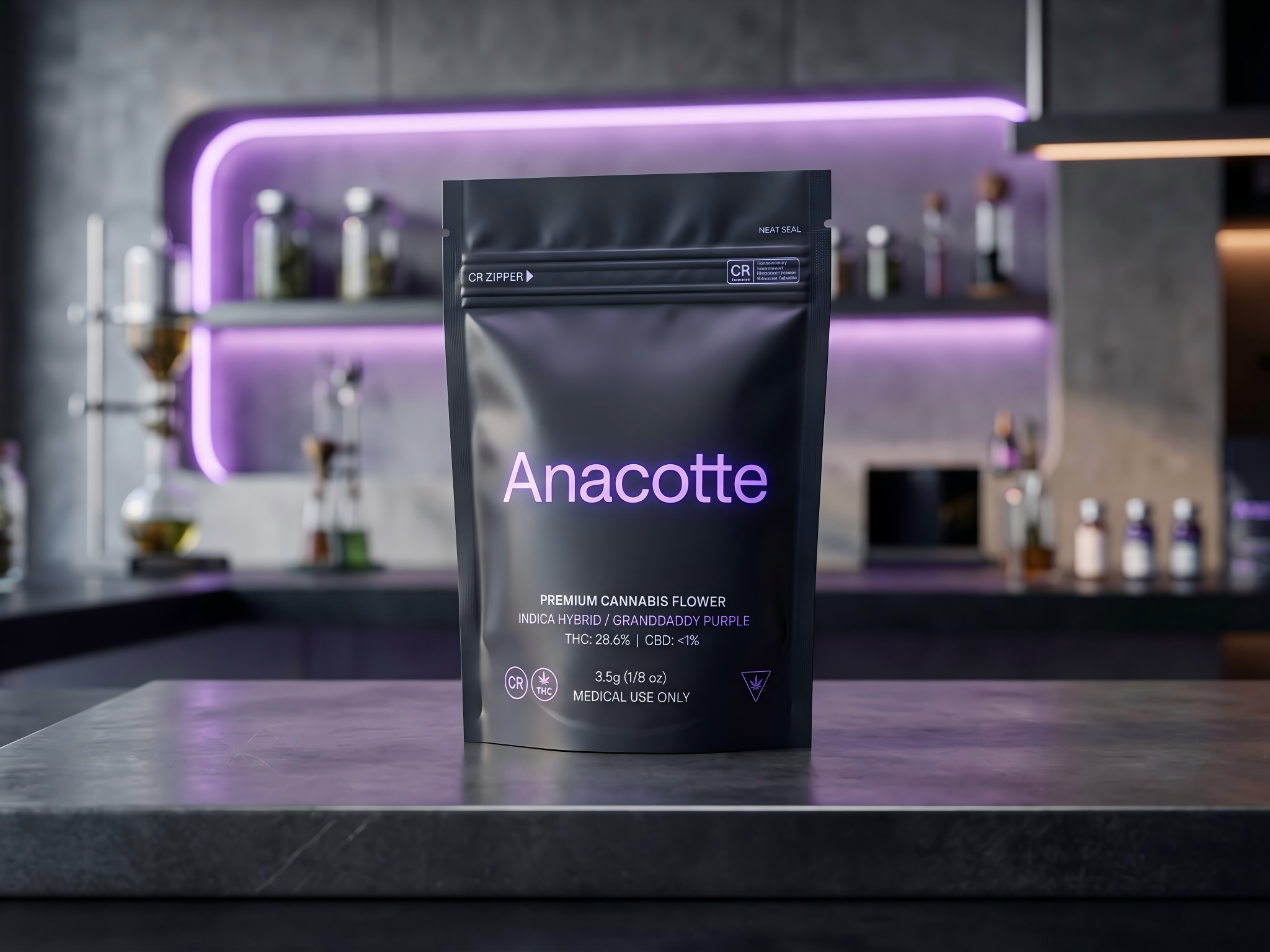
Anacotte Packaging helps snack and CPG brands choose custom flexible packaging based on product texture, barrier needs, launch quantity, artwork readiness, and selling channel. If you are preparing a launch, request a custom packaging quote with your product type, fill weight, pouch size, target quantity, and timeline.
What Makes Snack Packaging Different?
Snacks are often sensitive to moisture, oxygen, grease, aroma loss, breakage, and light exposure. A crispy chip needs moisture control. A roasted nut mix needs oxygen and aroma protection. Cookies and bakery-style snacks may need grease resistance and crumb protection. Candy may need heat and blocking resistance. Because each snack fails in a different way, the best packaging choice starts with product risk, not just visual style.
- Texture: crunchy, chewy, sticky, powder-coated, or fragile products need different film and pouch choices.
- Shelf life: oxygen, moisture, aroma, and grease control should be planned before printing.
- Selling channel: retail, ecommerce, subscription boxes, and foodservice have different packaging priorities.
- SKU strategy: seasonal flavors and small launches may need lower MOQ print routes.
- Customer use: resealable zippers matter for multi-serve snacks but may not be needed for single-serve packs.
Best Snack Packaging Options by Product Type
| Snack type | Best packaging option | Why it works |
|---|---|---|
| Chips, crackers, popcorn | Printed rollstock, pillow bag, stand up pouch | Good moisture barrier, light weight, efficient filling options |
| Nuts, trail mix, dried fruit | Stand up pouch, flat bottom pouch | Resealable, strong shelf presence, aroma and oxygen control |
| Cookies and bakery snacks | Flat pouch, stand up pouch, window pouch | Good product visibility, portion control, grease resistance options |
| Candy and gummies | Flat pouch, stand up pouch, sachet | Bright branding, small formats, easy flavor differentiation |
| Premium snack mixes | Flat bottom pouch | More premium shelf shape and larger printable panels |
Stand Up Pouches
Stand up pouches are one of the best first packaging options for snack brands because they balance shelf presence, flexibility, and manageable order planning. They can include a resealable zipper, tear notch, hang hole, clear window, matte finish, soft-touch finish, or high-barrier films. For ecommerce, they are lighter than rigid jars and usually easier to ship.
Use stand up pouches when you want a retail-ready package without committing to a rigid container or a high-volume automated line. They are especially useful for snack brands testing new flavors, sizes, or private label lines.
Flat Bottom Pouches
Flat bottom pouches feel more premium because they stand like a box and provide strong front, back, and side panels for branding. They are a good fit for premium nuts, coffee-flavored snacks, granola clusters, pet-style human snacks, and higher price-point mixes. The tradeoff is that they usually cost more than simpler pouch formats, so they make the most sense when the shelf impact supports the product price.
Rollstock and Pillow Bags
Printed rollstock is the practical route when a co-packer or automated filling machine forms and seals the package. It can be very efficient for chips, bars, sachets, flow wrap, and high-volume snack runs. Before choosing rollstock, ask your co-packer for machine specs, roll width, repeat length, sealant requirements, unwind direction, and core size.
Snack Packaging Feature Checklist
| Feature | When to use it | Buyer impact |
|---|---|---|
| Resealable zipper | Multi-serve snacks, nuts, dried fruit | Improves reuse and freshness perception |
| Clear window | Beautiful product texture or color | Builds trust but can reduce print area |
| High moisture barrier | Crunchy snacks and crackers | Protects texture and shelf life |
| Oxygen barrier | Nuts, oily snacks, premium mixes | Helps slow oxidation and flavor loss |
| Matte finish | Premium or natural-positioned snacks | Creates a more modern shelf feel |
MOQ and Print Route
Low MOQ packaging is useful when a snack brand is testing flavors, retailer interest, or DTC ads. Digital printing can support short runs and artwork flexibility. Rotogravure printing may become more cost-effective once the product has repeat demand and stable artwork. If you are not sure which route fits, compare rotogravure printing with low MOQ launch options before committing.
Common Snack Packaging Mistakes
| Mistake | Why it hurts | Better approach |
|---|---|---|
| Choosing a pouch only by appearance | The product may lose crunch or aroma | Start with barrier and shelf life needs |
| Skipping co-packer specs | Rollstock may not run correctly | Confirm machine requirements before quoting |
| Overusing tiny front-panel text | Retail buyers and shoppers scan quickly | Prioritize product type, benefit, flavor, and net weight |
| Ordering too many unproven SKUs | Cash gets trapped in packaging inventory | Use low MOQ for testing, then scale winners |
External References for Snack Brands
For food-contact planning, review the FDA overview of food contact substances. For retail barcode planning, review GS1 US barcode resources. These references do not replace regulatory review, but they help founders understand what buyers and retailers may ask about.
What to Prepare for a Quote
Send your product type, fill weight, pouch size, quantity, artwork file, desired features, target shelf life, sales channel, and launch date. If you have a current package, send photos and dimensions. If you work with a co-packer, include filling requirements and rollstock specs.
FAQ
What is the best packaging for a new snack brand?
For many new snack brands, a custom stand up pouch is the best starting point because it offers shelf presence, resealability, and flexible MOQ options.
Do snack pouches need a high barrier film?
Many do, especially crunchy, oily, or aroma-sensitive snacks. The exact structure depends on shelf life, ingredients, and storage conditions.
Should I use a clear window?
A clear window is useful when the product looks appealing and supports trust. It may not be ideal if the product needs more light protection or the design needs maximum print space.
Is rollstock better than pre-made pouches?
Rollstock is usually better for automated filling and larger production runs. Pre-made pouches are easier for many early-stage launches.
Can I launch multiple flavors with low MOQ packaging?
Yes. Low MOQ routes can help test flavors before moving the strongest sellers into larger print runs.
Can Anacotte help choose the material?
Yes. Share your snack type, shelf life target, and launch plan, and Anacotte Packaging can recommend a suitable pouch structure.
Get Custom Snack Packaging
If you are comparing snack pouch options, request a quote from Anacotte Packaging. We will help choose the pouch format, material structure, print route, and launch path that fit your product and order stage.


コメントを書く
このサイトはhCaptchaによって保護されており、hCaptchaプライバシーポリシーおよび利用規約が適用されます。