Coffee Packaging

Coffee Valve Pouch Packaging: A Roast-to-Ship Checklist for Growing Roasters

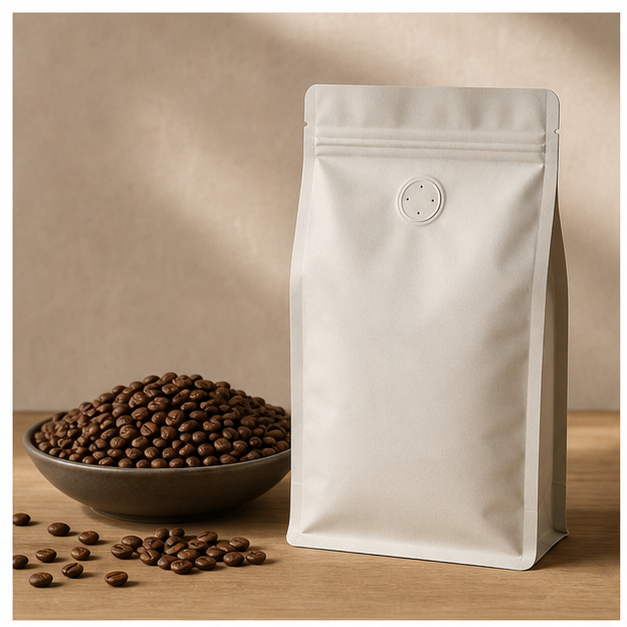
Blank coffee pouch with a degassing valve beside roasted coffee beans

A coffee pouch is easier to specify when the packaging discussion starts with the actual operating path: roast, hold, fill, label, case pack and ship. A bag format or valve request without those details leaves a supplier guessing about the project.

This guide helps a growing roaster prepare a clearer packaging handoff. It is not a freshness-duration, degassing-rate, food-safety, regulatory or valve-performance claim. Final pouch structure, food-contact documentation, labels and test conditions must be reviewed for the coffee, process, intended use and market.

1. Begin with the sales and fulfillment path

Blank coffee pouch with a degassing valve beside roasted coffee beans

Describe where the coffee is sold and how it reaches the buyer. A café counter pack, wholesale case, subscription shipment and retail shelf can create different practical questions. Record your pack sizes, whole-bean or ground format, SKU count, case quantities, expected order profile and destination markets.

The National Coffee Association’s coffee-storage guidance notes the relevance of air, moisture, heat and light. Treat that as a reason to explain the intended storage and handling route to your supplier—not as proof that any one bag will deliver a particular freshness result.

2. Provide the roast-to-pack timeline

Write down when coffee is roasted, when it is expected to be packed, whether lots are separated, how long packed coffee may wait before fulfillment, and how coding or lot tracking fits into the workflow. This sequence gives the supplier and production team a shared starting point for evaluating a pouch direction.

It also exposes questions that artwork alone cannot solve: how much panel space is needed, where a code is applied, whether the pouch must stand on a shelf, and how it is handled by the fulfillment team.

3. Frame the valve and format request as questions

Close-up of a blank coffee pouch valve and heat-sealed top edge

A valve can be part of a coffee packaging specification, but it is not a universal answer. Tell the supplier the product format, pack size, intended route, desired opening or reseal experience, preferred bag direction and what the team needs to learn from samples. Ask which pouch and valve options are feasible for the project rather than beginning with a performance promise.

For U.S. food-contact uses, the FDA describes the regulatory basis for food-contact substances. Request documentation relevant to the actual intended use; generic marketing language is not a substitute for project-specific review.

4. Reserve artwork, code and handling zones early

Before approving art, create a simple panel map: front identity area, variant cue, net quantity, required information, barcode, lot or date-code location, valve zone, seals and any zipper or opening features. Keep essential text out of seals, curved shoulders and areas that may be covered or distorted by the packing process.

Suppliers can flag pouch constraints; the brand should provide approved labels and confirm what must be printed or coded for the intended market.

5. Test the packed order, not only the empty bag

Blank coffee pouch being placed into a simple ecommerce shipping mailer

Review samples after they are filled and packed in the way customers will receive them. A practical test record can include pouch revision, product format, packing date, coding location, sample count, case or mailer setup, observations and any issue found during handling.

If you change coffee format, bag size, valve option, fill process, pack-out or route, return to the test plan. A previous sample result may not represent the new configuration.

6. Send a quote-ready coffee-pouch brief

Blank coffee pouch samples with beans, ruler and empty packaging checklist on a worktable

Give a supplier the following:

  • Coffee format, pack sizes, SKU count and target markets.
  • Roast-to-pack timing, fill workflow and coding requirements.
  • Preferred bag direction, opening or reseal needs and valve question set.
  • Artwork status, panel content, barcode and safe-zone needs.
  • Case pack, ecommerce or wholesale route, quantity and delivery destination.
  • Sample-test questions and target launch timing.

That brief turns an attractive bag idea into a more productive supplier conversation. Explore Anacotte’s coffee valve pouch direction, then request a project-specific quote with your project inputs.

Frequently asked questions

Does every coffee pouch need a valve?

Not automatically. Coffee format, workflow, intended route and the supplier’s feasible options should be reviewed for the specific project.

Can a bag guarantee coffee freshness for a set time?

No. Avoid treating a bag or valve as a stand-alone freshness guarantee. Product, process, storage and distribution conditions need project-specific review.

What belongs in a coffee packaging quote request?

Include roast-to-pack timing, product format, pack sizes, SKU count, artwork and code zones, case pack or shipment route, quantity and sample questions.

前後の記事を読む

Blank frozen seafood portion pouch in a clean cold-chain packing setting

コメントを書く

このサイトはhCaptchaによって保護されており、hCaptchaプライバシーポリシーおよび利用規約が適用されます。

Contact Us

Do you have any question?