custom packaging

Low MOQ Custom Packaging: How Small Brands Can Test More SKUs Without Overbuying Pouches

Low MOQ custom packaging samples for multiple SKU testing

Low MOQ Custom Packaging: How Small Brands Can Test More SKUs Without Overbuying Pouches

Small brands rarely fail because they had too few packaging ideas. They usually struggle because each idea needs cash, artwork, storage space, and a minimum order that may be too large for the first launch.

That is where low MOQ custom packaging becomes useful. It lets a brand test several SKUs, flavors, formulas, or seasonal versions without filling a warehouse with printed pouches that may never be reordered.

Hand drawn low MOQ SKU testing concept for small brand packaging

MOQ affects more than the first invoice

MOQ means minimum order quantity. In packaging, it changes how quickly a brand can test, how much cash sits in inventory, and how risky each design decision feels.

A high MOQ can work for a stable best-selling SKU. It is harder for a new coffee roast, a limited snack flavor, a trial-size supplement, or a pet treat brand still learning which size sells best.

The point is not to order small forever. The point is to avoid ordering too much before the market gives you an answer. Shopify's inventory management guide makes the same operational point from the store side: stock decisions affect cash, storage, and availability.

Digital printing makes multi-SKU testing easier

Traditional printing can be efficient at high volume, but it often makes early-stage SKU testing expensive. Digital printing changes the math because it is better suited for smaller runs, faster changes, and multiple designs.

Anacotte's low MOQ packaging offer is built around this need, with custom packaging options that support low minimums, multiple designs, unlimited colors, and multi-SKU runs.

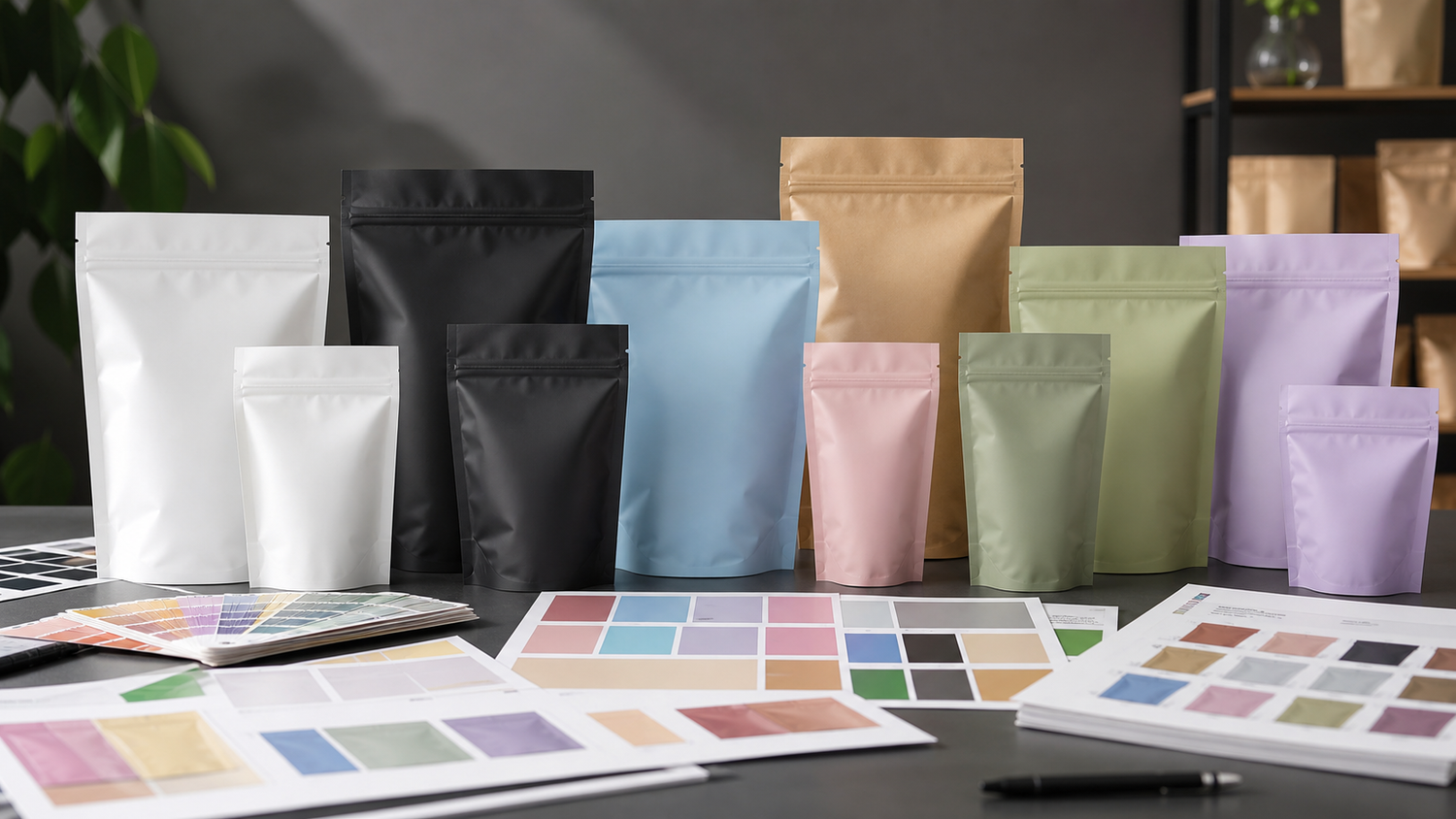
Multiple custom pouch samples for small batch SKU testing

Low MOQ still needs a precise brief

Low MOQ does not mean vague packaging. The supplier still needs enough information to recommend the right pouch and material.

Packaging quote brief with pouch samples material swatches and product notes

  • Pouch type, such as stand up pouch, flat pouch, flat bottom pouch, or spout pouch
  • Size or fill weight
  • Number of SKUs
  • Artwork status
  • Product category
  • Shelf-life expectation, especially if the product may need high barrier packaging
  • Required features such as zipper, valve, hang hole, window, or spout
  • First order quantity and likely reorder size

This makes the quote faster and more useful. It also helps the supplier avoid quoting a pouch that looks right but does not fit the product. For small businesses, the U.S. Small Business Administration's guidance on buying assets and equipment is a useful reminder that upfront purchases should fit the business plan and cash position.

Use low MOQ to test the whole offer, not only the design

Packaging tests should answer practical questions. Does the pouch stand well on shelf? Does it fit the shipping box? Does the zipper feel solid? Does the matte finish match the brand? Does the size make sense for the price point?

Know when to move from low MOQ to larger runs

Low MOQ is strongest during learning: launch, redesign, market test, seasonal drop, and SKU expansion. Once a SKU becomes predictable, larger runs may reduce unit cost.

When those signals appear, the packaging plan can shift from testing to scaling. A good supplier should help with that transition instead of forcing one order model on every product. If the next step is unclear, a short packaging consultation can help separate test-run needs from scale-up needs.

Avoid the common low MOQ mistakes

The first mistake is choosing only by unit price. A slightly cheaper pouch can become expensive if it fails, delays launch, or leaves the brand with unsold inventory.

The second mistake is testing too many variables at once. If every SKU has a different size, material, finish, and message, it becomes harder to know what the customer responded to.

Buyer checklist before requesting a quote

  • Decide which SKUs need the first test run.
  • Confirm pouch format and approximate fill weight.
  • Prepare print-ready artwork or note what still needs design work.
  • List required features such as zipper, valve, window, or spout.
  • Separate test quantity from expected reorder quantity.
  • Ask whether multiple designs can share the same production setup.
  • Check whether the material fits the product's shelf-life needs.

Talk to Anacotte

If you are testing several SKUs, Anacotte Packaging can help compare pouch formats, materials, and low MOQ digital printing options before you order. Start with customized packaging, review low MOQ packaging, compare pouch formats, or send the SKU list through request a quote.

Sources:

  • Anacotte Packaging public site: https://anacottepackaging.com/
  • Shopify, Inventory management guide: https://www.shopify.com/blog/inventory-management
  • U.S. Small Business Administration, Buy assets and equipment: https://www.sba.gov/business-guide/manage-your-business/buy-assets-equipment

前後の記事を読む

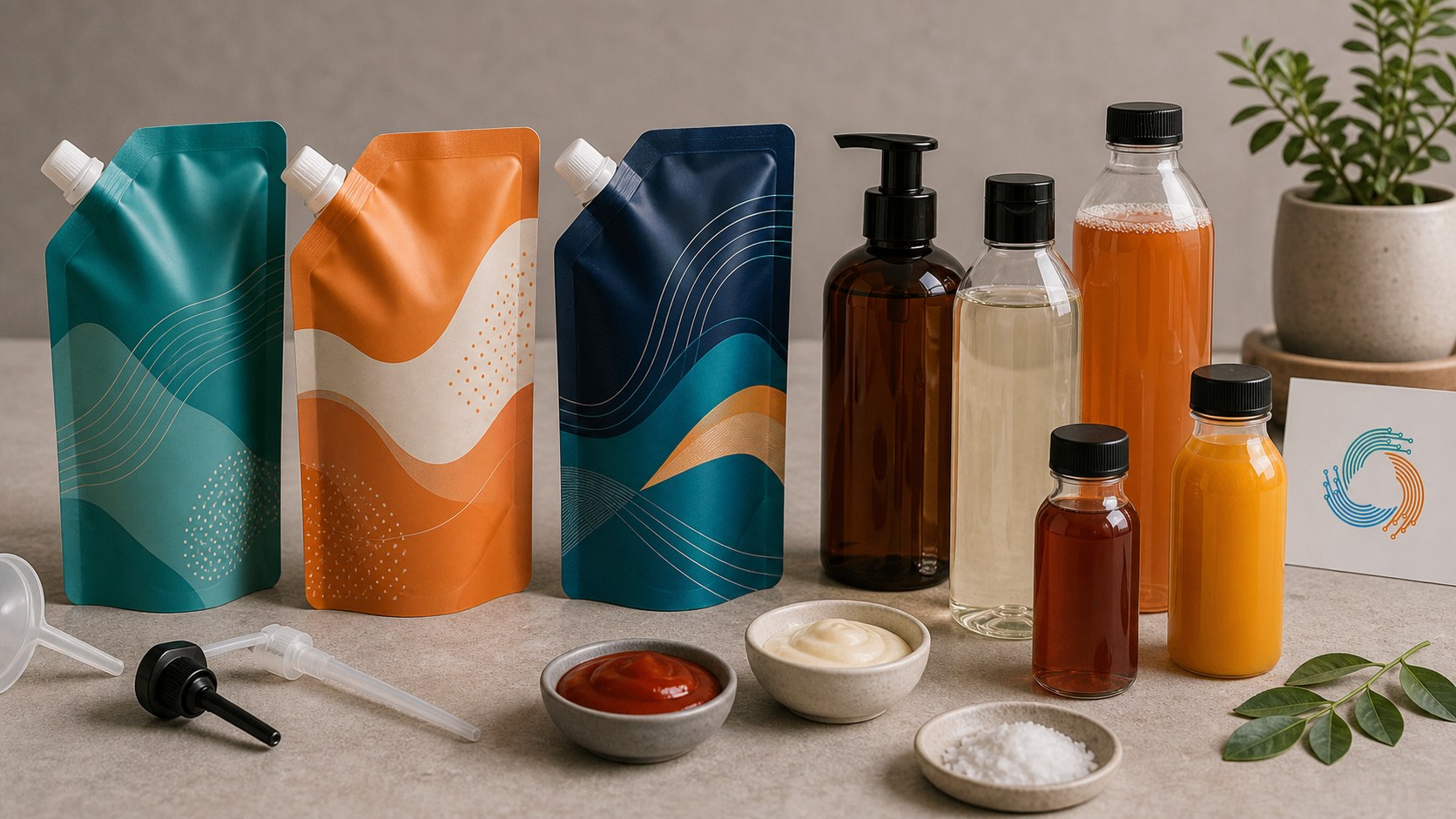
Spout Pouch vs Bottle Packaging: Cost, Logistics and Refill Decisions

コメントを書く

このサイトはhCaptchaによって保護されており、hCaptchaプライバシーポリシーおよび利用規約が適用されます。

Contact Us

Do you have any question?