Energy Gel Packaging

Energy Gel Pouch Packaging: A Supplier Brief for a Single-Serve Pilot

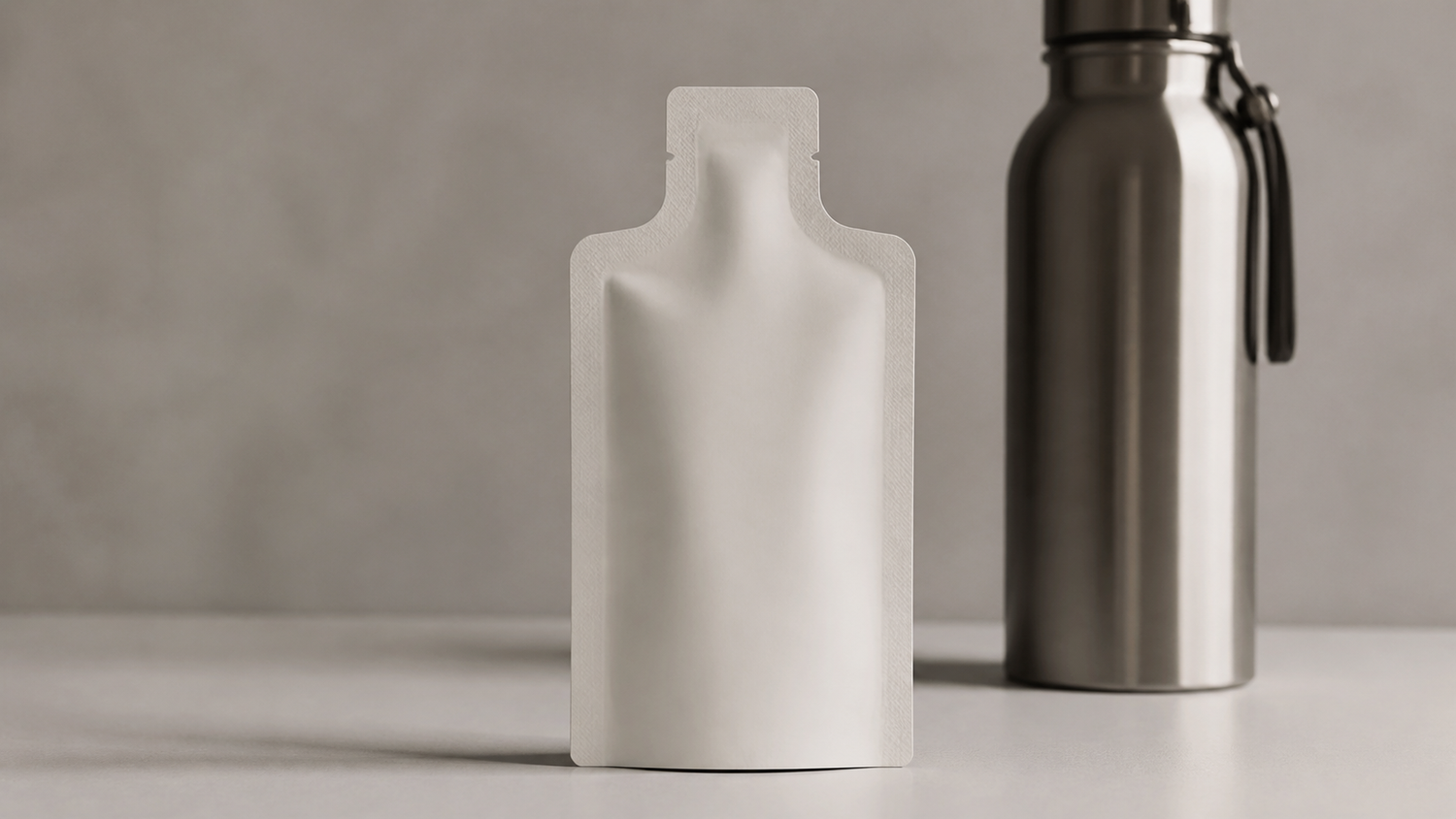
Unbranded single-serve energy gel pouch beside a sports bottle

A single-serve energy gel pouch is a small package with a crowded job. It has to fit the planned fill, open in the way the customer expects, leave usable space for the brand's required information, and survive the actual filling and distribution route. A polished mockup does not answer those questions on its own.

This guide helps a brand prepare a clearer packaging brief before requesting samples or a quote. It is not nutrition, food-safety, or regulatory advice. Final pouch structure, food-contact documentation, label content, filling settings, and test criteria must be reviewed for the real formula and intended market.

1. Start with the consumption moment

Unbranded single-serve energy gel pouch beside a sports bottle

Describe what the customer will do with the gel, not just the product name. Is the pouch intended for a quick tear-and-squeeze use? Does it need to fit a pocket, a race belt, a retail display, or a sample box? Is it opened once and discarded, or is a reclosable format actually needed? These decisions affect the format discussion before anyone chooses finishes or artwork.

Single-serve energy-gel pouches are a recognizable market format, as packaging suppliers such as IMPAK and Gualapack illustrate. That does not mean one pouch style is right for every gel. A product's viscosity, fill quantity, opening preference, filling route and sales channel still need to be defined.

2. Give the supplier a complete fill brief

“We need an energy gel pouch” is not yet a production brief. Share the inputs that let a supplier assess possible pouch directions and propose samples:

  • Formula description and whether it is treated as a food, beverage, or dietary-supplement product in the target market.
  • Target fill weight or volume, expected headspace, and acceptable fill tolerance.
  • Viscosity range, inclusions, acidity or oil content where relevant to technical review.
  • Filling method, expected product and seal temperatures, and target production speed.
  • Storage and distribution conditions, including ecommerce or event-kit handling.
  • Expected pouch quantity, number of flavors or SKUs, artwork status, and launch date.

These are discovery inputs, not a request to guess a material. A pouch supplier can only assess seal, barrier and fitment options against a defined use case. For U.S. food-contact applications, the FDA explains that food-contact substances have a regulatory basis; brands should request documentation tied to their intended use instead of relying on a broad “food grade” label.

3. Match the format to handling, not marketing shorthand

Packaging technician inspecting a flexible energy gel pouch seam

There are several possible single-serve directions: a flat sachet, a shaped pouch, or a dispensing-tip pouch. Rather than selecting one because it looks familiar, compare the operational questions:

  • Can the opening be used with the expected grip and motion?
  • Will the chosen shape create a difficult-to-fill corner or seal area?
  • Does the format leave room for the information the brand must present?
  • Can it travel in the intended case pack without scuffing, puncture or seal stress?
  • Does the pilot quantity justify a custom format now, or should the team use samples to learn first?

Do not promise a universal “best” format. A pilot should reduce uncertainty about this brand's product and route, not reproduce another brand's package.

4. Reserve artwork and information zones early

Unbranded single-serve gel pouches arranged for fill and seal planning

Small pouches make late artwork changes expensive. Build a panel map before approving a design. Mark the front product-identification area, flavor or variant cue, net quantity, required information, lot/date-code area, barcode location, tear area and seal margins. Keep critical type away from seals, curved shoulders, notches and areas that may be distorted during filling.

The FDA has published guidance addressing serving-size and limited-label-space questions for packaged foods. Use that as a prompt to involve the brand's qualified labeling reviewer early; the packaging supplier should receive the approved label inputs and safe zones, not be asked to decide regulatory copy.

5. Test a real pilot, not only an empty pouch

Flexible gel pouch in a controlled package-integrity test

Empty samples help review size, feel, print and tear direction. A filled pilot adds the questions that matter to a gel: clean seals, fill consistency, pouch feel under squeeze, opening behavior, case packing and repeatable results after the planned storage and handling conditions.

Before approving a production run, agree on a practical sample plan. Record the pouch construction and revision, product fill, sealing conditions, sample count, observations and any failure. If a material, fill process, fitment, formula, storage condition or shipping route changes, revisit the plan rather than assuming the first sample still represents the project.

6. Send a quote-ready checklist

A useful request for quote includes:

  • Product description, target market and intended use.
  • Fill weight or volume, viscosity information and filling route.
  • Preferred pouch direction and opening requirement.
  • SKU count, quantity per SKU and a phased pilot/reorder expectation.
  • Artwork file status, required panel content and code-zone needs.
  • Storage, distribution and sample-test questions.
  • Target delivery date and shipping destination.

With those details, a supplier can have a focused conversation about samples and feasible options. Explore Anacotte's energy gel sachet packaging direction, then request a project-specific quote with the inputs above.

Frequently asked questions

Is a spout always required for an energy gel?

No. Opening preference, fill behavior, intended use and production feasibility should be reviewed for the actual product. A pilot is the right place to compare a short list of workable formats.

Can a supplier confirm that any pouch is food-contact compliant?

Ask for documentation tied to the actual material and intended use. A generic claim is not a substitute for a product- and market-specific review.

What should be tested before a first production order?

At minimum, test the filled product under relevant filling, storage and handling conditions, and document the result. The detailed protocol should match the product and route.

前後の記事を読む

Two unbranded flexible pouches for a paired hydroponic nutrient powder kit

コメントを書く

このサイトはhCaptchaによって保護されており、hCaptchaプライバシーポリシーおよび利用規約が適用されます。

Contact Us

Do you have any question?