dispensary packaging bags

Dispensary Packaging Bags: Reorder Planning for Low-MOQ Multi-SKU Programs

Dispensary Packaging Bags: Reorder Planning for Low-MOQ Multi-SKU Programs


Dispensary Packaging Bags: Reorder Planning for Low-MOQ Multi-SKU Programs

Dispensary packaging bags rarely fail because one person forgot to buy more bags. They fail because stock count, artwork changes, evidence review, production lead time, and delivery date are tracked in different places.

A low-MOQ program can stay flexible, but only if the reorder plan separates three things: the pouch structure, the printed artwork, and the quantity per SKU.

This article covers packaging operations only. It does not provide legal advice or guidance about product use, effects, dosage, or claims.

Build the reorder plan around a shared pouch platform

The easiest reorder is a repeat of the approved pouch: same film, same size, same closure, same finish, same seal layout. The artwork may change, but the bag itself stays stable.

Use Anacotte's low-MOQ packaging, customized packaging, and high-barrier packaging references to keep the shared platform visible in the reorder file.

If shelf presentation changes, compare stand-up pouches and flat-bottom pouches before starting artwork revisions. A format change is not just a design change; it can affect cartons, fill process, seals, and quote timing.

Inventory groups for pouch reorders

Count bags by usable SKU, not only by cartons

A carton count can hide the problem. The team may have plenty of one artwork and almost none of another. Track inventory by artwork, size, film, and closure.

Use a simple table:

SKU artwork Current bags Weekly use Proof change? Reorder trigger
A 1,200 180 No 900
B 500 140 Yes 800
C 300 60 No 400

The trigger should account for proof time, production time, freight, internal review, and a small buffer. Low MOQ helps with flexibility, but it does not remove lead time.

Treat artwork changes as a separate clock

Artwork changes move differently from film production. A small copy edit may be quick. A new barcode, warning panel, finish, or variable-information area may need review, proofing, and scan checks.

The GS1 US Database page is a useful reminder that identification data should be handled carefully in packaging workflows. If the barcode or product identity changes, treat the proof as more than a visual approval.

For environmental or disposal language, use exact facts. The FTC Green Guides summary explains why broad unqualified environmental benefit claims are risky. Do not let a last-minute artwork change introduce a claim the packaging file cannot support.

Keep child-resistant evidence attached to the pouch record

If the package uses child-resistant or special-packaging features, the reorder file should include the relevant pouch evidence and the conditions under which it applies. The CPSC PPPA guidance provides federal context, and 16 CFR 1700.20 describes the testing protocol.

Do not assume an old certificate covers a changed pouch. Size, film, zipper, or opening method can matter. Ask the supplier what changes would require fresh review or a different evidence file.

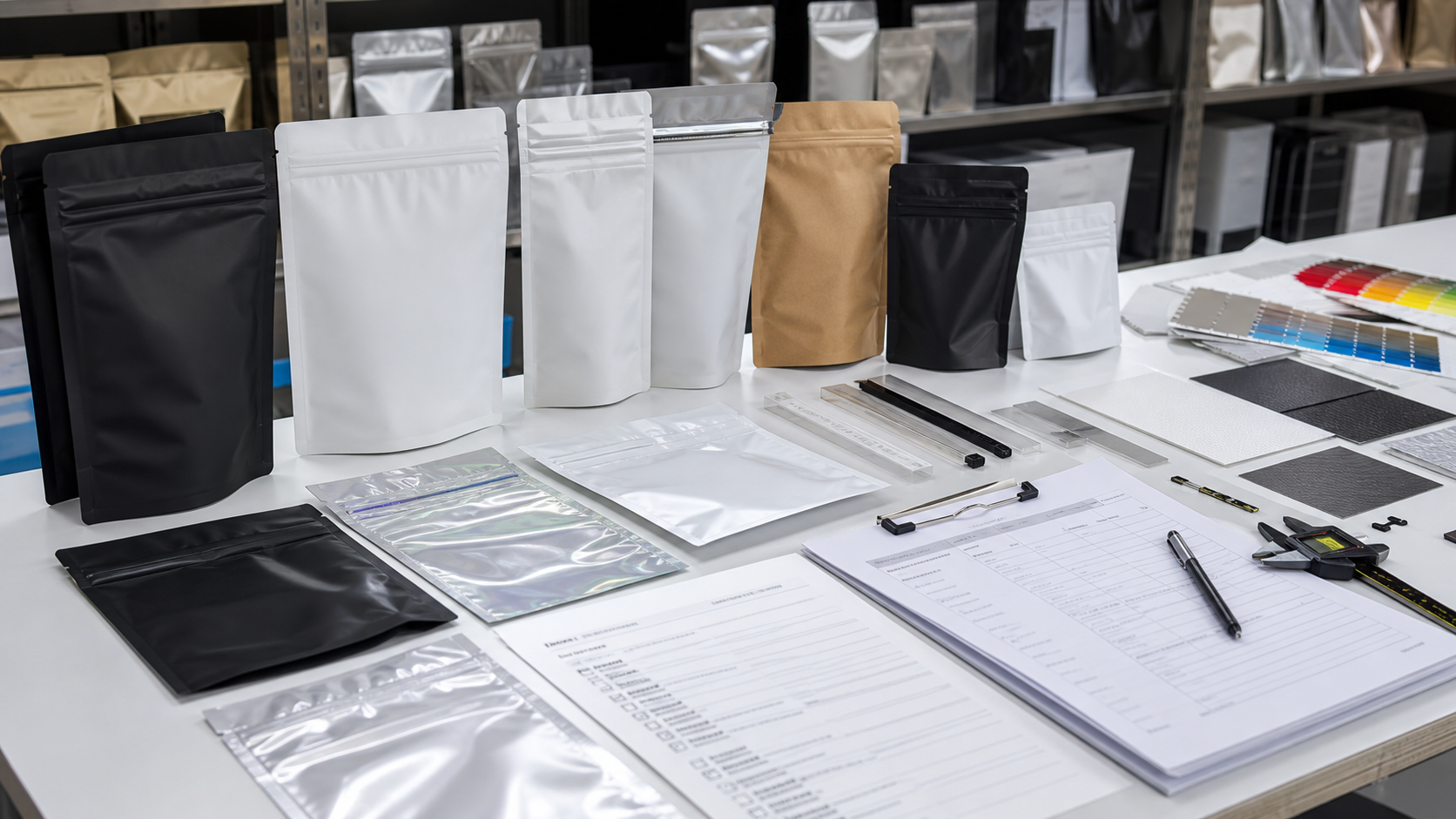
Reorder timeline illustration

Split emergency orders from planned reorders

Emergency orders should be rare and narrow. If stock is already low, avoid redesigning the pouch platform at the same time. Repeat the approved structure, reduce artwork changes, and use the reorder to regain inventory.

Planned reorders can carry controlled improvements: cleaner label panel, better finish, revised carton count, or a more efficient SKU split. Put those changes into the next cycle, not the rescue order.

Ask these questions before each reorder

  • Which SKUs are below trigger stock?
  • Which artwork files changed since the last production run?
  • Did film, closure, finish, or size change?
  • Are barcode, batch code, and variable panels still readable?
  • Does any child-resistant evidence still match the exact pouch?
  • What is the supplier lead time from final approval, not from first email?
  • Can the order be split across artworks while keeping one pouch platform?
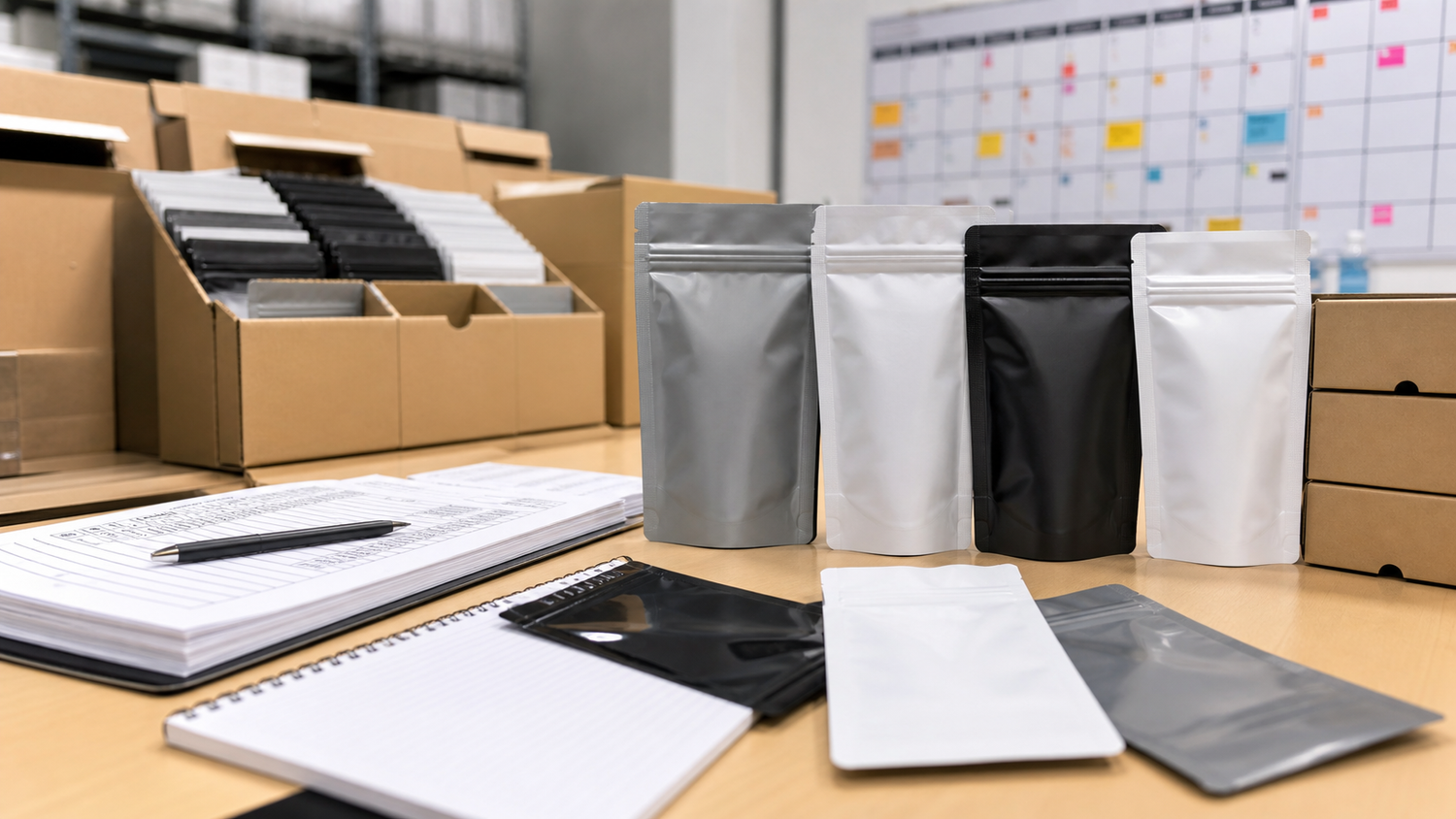
Balancing artwork, film, and quantity in a reorder

Turn the reorder into a quote brief

Send current stock, weekly use, reorder trigger, pouch structure, artwork files, change list, quantity per artwork, prior order reference, destination, and required delivery date. Mark which items are repeats and which items changed.

Anacotte can help compare the current structure, low-MOQ quantity split, and artwork changes before the next production slot. Use the get-a-quote page when the reorder sheet is ready, or the contact page if the pouch evidence or artwork changes need review first.

前後の記事を読む

Custom Weed Bags: 15 Supplier Questions Before You Approve a Low-MOQ Run

コメントを書く

このサイトはhCaptchaによって保護されており、hCaptchaプライバシーポリシーおよび利用規約が適用されます。

Contact Us

Do you have any question?