

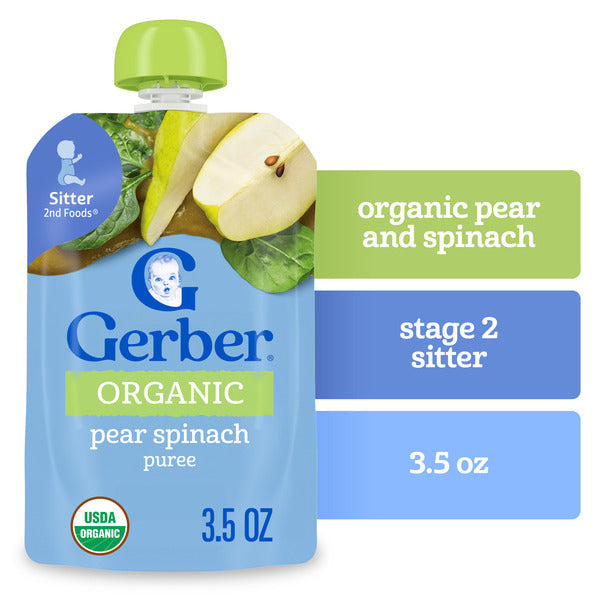
In the fast-evolving landscape of infant nutrition, the container is no longer just a vessel; it is an integral component of the product itself. For parents in the United States and Europe, the decision to purchase a jar, pouch, or box of baby food is influenced not only by the ingredients listed on the label but also by the integrity of the packaging that encases them.
Modern baby food packaging operates at the intersection of stringent biosecurity protocols, material science, and ergonomic design, serving as the first line of defense for delicate nutrients and natural flavors.
According to Statista, the global baby food market exceeded USD 67 billion in 2023, with continued growth driven by premium nutrition products and convenient packaging solutions.
As demand rises, packaging technologies must evolve to ensure product safety, nutrient preservation, and environmental responsibility.
This comprehensive guide explores how the industry balances strict food safety regulations with the realities of modern parenting—ensuring that from the production line to feeding time, every package is engineered for safety, freshness, and trust.

The Paramount Importance of Safety and Purity in Baby Food Packaging
When discussing baby food, safety is not simply a feature—it is the foundation.
Infants are significantly more vulnerable to contaminants than adults because their metabolic and immune systems are still developing. For this reason, packaging materials used for infant nutrition are subject to stricter regulatory scrutiny than those used for conventional foods.
In the United States, the U.S. Food and Drug Administration (FDA) regulates food packaging materials under the Food Contact Substance (FCS) Notification Program, requiring manufacturers to demonstrate that packaging materials will not migrate harmful substances into food products.
The FDA specifically notes that substances used in packaging that contact infant foods must undergo rigorous toxicological review because infants may be more susceptible to chemical exposure from packaging materials.
Similarly, the European Food Safety Authority (EFSA) regulates food-contact materials under EU Regulation (EC) No 1935/2004, requiring packaging to be inert and safe under intended use conditions.
To comply with these regulations, manufacturers rely on advanced multi-layer barrier materials, typically combining polymers such as:
- Polyethylene (PE)
- Polypropylene (PP)
- Polyethylene terephthalate (PET)
These materials help prevent the migration of oxygen, moisture, and contaminants into baby food products.
According to research indexed by the National Institutes of Health (NIH), oxygen exposure can significantly accelerate nutrient degradation—particularly vitamin C—in fruit and vegetable purees.
Effective barrier packaging therefore plays a critical role in preserving nutritional quality throughout a product’s shelf life.
Additionally, modern baby food packaging often supports aseptic filling technology, which allows products to remain shelf-stable without refrigeration while preventing microbial contamination.

Functional Packaging Design for Modern Parenting Lifestyles
The expectations of today’s parents have dramatically reshaped baby food packaging formats.
Modern families prioritize portability, convenience, and ease of use, which has fueled the rapid adoption of flexible packaging formats such as squeeze pouches.
According to Statista, flexible pouch packaging now represents one of the fastest-growing segments in the baby food category due to its portability and reduced
Squeezable pouches provide several advantages:
- Lightweight and shatterproof compared with glass jars
- Easy self-feeding for toddlers
- Convenient portability for travel and outdoor activities
Beyond convenience, packaging design can also support infant development. Many pediatric nutrition experts note that self-feeding formats help babies develop fine motor skills and hand-to-mouth coordination.
However, pouch packaging must also meet strict performance requirements.
High-performance laminates and improved sealing systems help maintain low oxygen transmission rates, which are critical for maintaining product freshness and nutritional stability.
Additional innovations include:
- Spill-resistant caps
- One-hand opening mechanisms
- Resealable containers for partial consumption
Because babies often consume small portions, resealable packaging also helps parents safely store unfinished products in refrigerators.
These innovations demonstrate how packaging has evolved into an active tool within the feeding experience, rather than merely a container.

Sustainability and the Environmental Impact of Baby Food Packaging
Environmental sustainability has become a defining issue for the global packaging industry.
Parents—especially in North America and Europe—are increasingly concerned about the environmental footprint of the products they purchase for their children.
The Food and Agriculture Organization (FAO) estimates that roughly one-third of food produced globally is lost or wasted, highlighting the importance of packaging solutions that reduce spoilage and extend shelf life.
Packaging therefore plays a critical dual role:
- Protecting food from spoilage
- Minimizing environmental impact
One of the industry's major challenges lies in traditional multi-material flexible laminates, which can be difficult to recycle.
To address this issue, manufacturers are increasingly developing mono-material packaging structures, such as:
- All-PE flexible pouches
- All-PP recyclable films
These materials are easier to process within existing recycling infrastructure.
Another emerging solution involves bio-based plastics derived from renewable resources, including plant-based polymers that reduce dependence on fossil fuels.
In addition to material innovations, companies are adopting lightweighting strategies—reducing packaging material usage without compromising barrier protection.
Portion-controlled packaging formats also help reduce food waste, aligning environmental sustainability with improved feeding practices.
Transparency and Consumer Trust in Baby Food Packaging
Beyond physical protection and convenience, baby food packaging plays a vital psychological role: building consumer trust.
Parents want clear and transparent information about the products they feed their children.
According to the World Health Organization (WHO), clear labeling and accurate nutritional information are essential for promoting healthy infant feeding practices worldwide.
Modern baby food packaging therefore increasingly includes:
- Transparent windows showing product texture and color
- Detailed ingredient lists
- Nutritional highlights such as DHA, iron, and probiotics
- Information about ingredient sourcing and sustainability practices
Packaging has evolved into a communication platform that helps parents make informed nutritional choices.

The Future of Baby Food Packaging Innovation
As technology advances, baby food packaging will continue to evolve alongside consumer expectations and regulatory frameworks.
Several emerging innovations are expected to shape the future of infant nutrition packaging:
Smart Packaging Technologies
Future packages may incorporate:
- Time-temperature indicators
- Freshness sensors
- QR codes enabling supply-chain traceability
These technologies allow parents to access product origin data and safety information directly from their smartphones.
Circular Packaging Systems
Companies are investing in:
- recyclable mono-material pouches
- refillable packaging systems
- compostable materials
These approaches support the transition toward a circular packaging economy.
Advanced Nutrient Protection Materials
New high-barrier films and nanocomposite materials may further improve oxygen and moisture resistance, helping maintain nutrient stability during extended shelf life.

Conclusion
Baby food packaging has evolved into a sophisticated combination of science, engineering, and consumer-focused design.
By integrating:
- strict regulatory compliance
- advanced barrier materials
- convenient functional formats
- sustainable packaging innovations
the industry ensures that infant nutrition products remain safe and high-quality from the factory floor to the family table.
In doing so, modern baby food packaging protects not only delicate nutrients—but also the trust of a new generation of parents.

Laisser un commentaire
Ce site est protégé par hCaptcha, et la Politique de confidentialité et les Conditions de service de hCaptcha s’appliquent.