
Match the packaging format to product risk, filling method, and shelf channel.
Material comparison guide
Flexible Packaging Materials Guide
Flexible Packaging Materials Guide helps buyers compare packaging options, material trade-offs, MOQ paths, and quote inputs before choosing a pouch, film, or custom structure.
Need pricing for this exact packaging decision?
Share product type, fill weight, target quantity, material or barrier needs, artwork status, and launch timing. Anacotte can shortlist the practical structure before you over-spec the order.
Start an RFQCompare material, barrier, print, closure, and sustainability trade-offs before locking a spec.
Send product details, size target, quantity, and timing for a tighter quote.
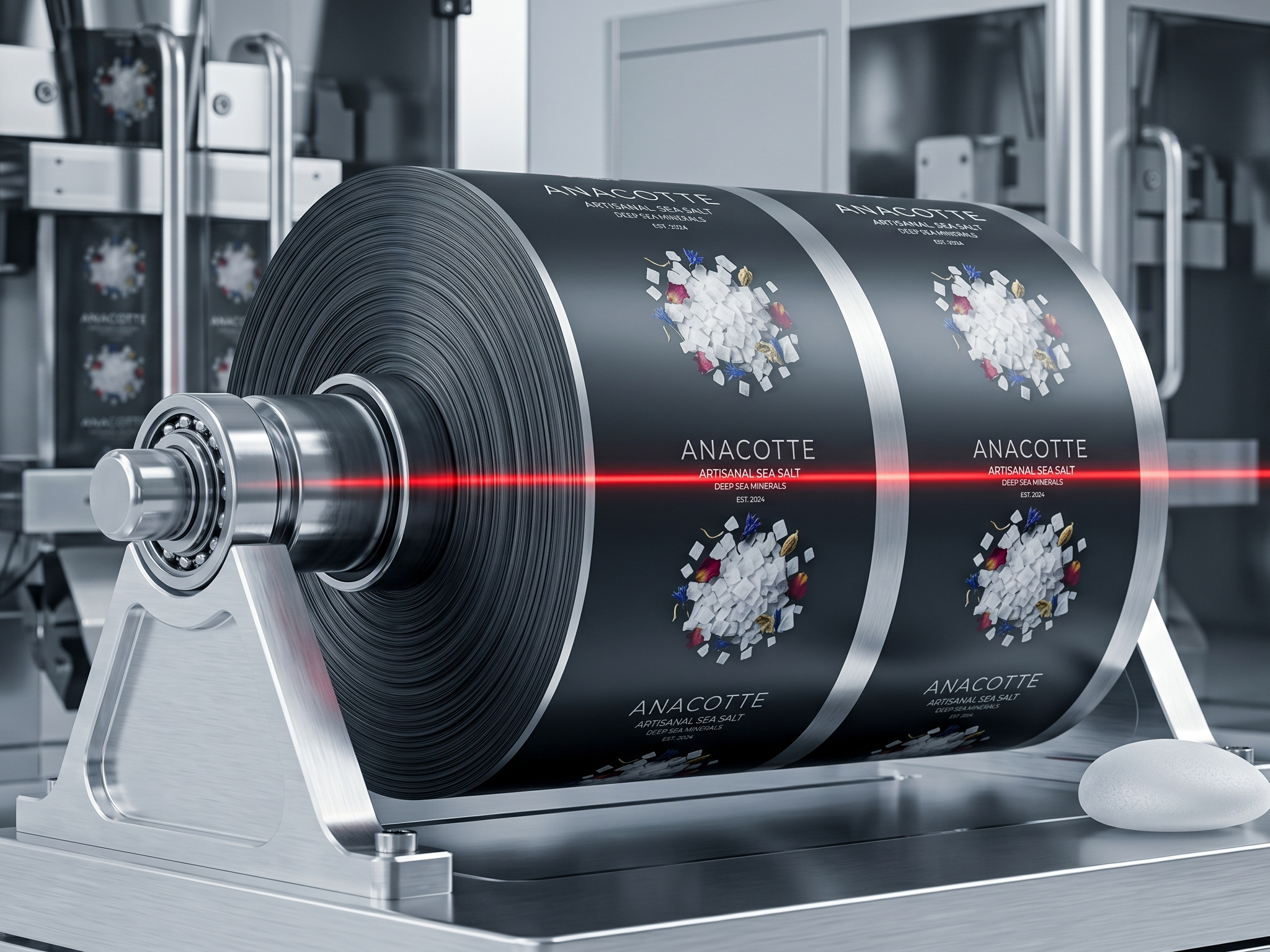
Flexible Packaging Materials Guide
Flexible packaging materials are selected to balance strength, barrier, sealability, print quality, cost, and sustainability claims.
Flexible packaging material selection should start with product protection and filling requirements, then compare PET, PE, PP, BOPP, paper, metallized film, foil, and mono-material structures against barrier, seal, print, and recycling needs.
TL;DR
- PET often supports strength, stiffness, and print quality in laminated structures.
- PE is widely used for sealant layers and recyclable mono-material designs.
- Foil and metallized films are reviewed when light, aroma, oxygen, or moisture barrier matters.
Decision table
| Material | Common role | Buyer question |
|---|---|---|
| PET | Outer print or strength layer | Does it need high clarity or stiffness? |
| PE | Sealant or mono-material route | What seal window is required? |
| BOPP/PP | Snacks and wrappers | Is stiffness or moisture barrier needed? |
| Foil | Very high barrier | Is the added barrier necessary? |
Related packaging resources
Flexible packaging materials, Flexible packaging films, High barrier packaging, Get a quote.
Frequently Asked Questions
Which flexible packaging material is best?
There is no universal best material; the best choice depends on product sensitivity, filling method, shelf-life, and claim requirements.
What is a laminate?
A laminate combines layers to create properties that one material alone may not provide.
Can flexible packaging be food grade?
Yes, when the materials and inks are specified and documented for the intended food-contact use.
Request quote support
Send product specs for a packaging recommendation
Tell us your product, target pack size, barrier needs, quantity, artwork status, and timing. We will help you narrow the right packaging direction before you lock the spec.
Get direction on pouch type, film structure, closure, finish, and shelf-life risk before locking a specification.
Share your target run size so we can compare digital, custom, and bulk production trade-offs.
Include filling method, pack size, material preference, artwork status, and launch timing for a more precise reply.