

Capability fit
Best reviewed for stable artwork, repeat orders, retail color control, and larger-volume pouch or film programs.
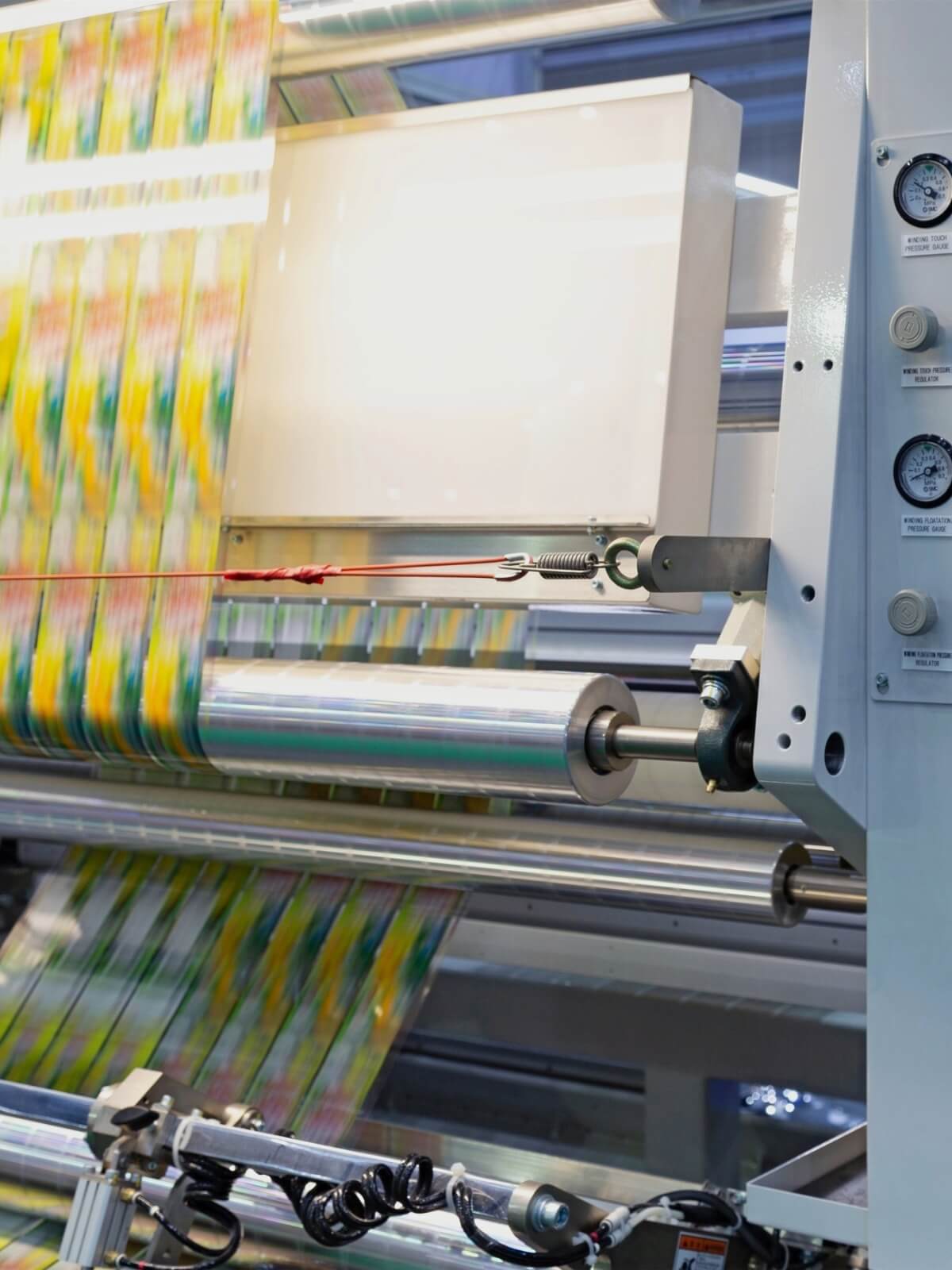
Productive
Rotogravure printing is a printing process that involves transferring ink from a recessed image carrier, such as a copper or steel plate or a cylinder, to a substrate, such as paper or plastic film.
Rotogravure printing is usually strongest for larger repeat flexible-packaging runs where cylinder cost can be spread across volume and tight color control matters.
| Decision area | Why it matters | What to confirm |
|---|---|---|
| Volume | Controls unit economics | Launch run, repeat run, reorder forecast |
| Cylinder cost | Creates upfront setup cost | Color count and repeat artwork |
| Color control | Matters in retail | Proof, tolerance, and repeatability |
| Film fit | Protects print quality | Barrier web, sealant, and finishing |
Digital printing vs rotogravure packaging, Rotogravure printing for flexible packaging, Flexible packaging films, Rollstock packaging, Low MOQ packaging.
Rotogravure is worth reviewing when repeat order volume can absorb cylinder cost and consistent color is important.
Not always. Digital is often better for low-MOQ tests, while rotogravure is usually better for stable high-volume programs.
Confirm material structure, cylinder cost, proofing expectations, color tolerances, lead time, and reorder volume.
Buyer confidence
Rotogravure usually fits larger repeat flexible-packaging programs because cylinder cost can be spread across volume while maintaining strong color consistency and fine detail.

Best reviewed for stable artwork, repeat orders, retail color control, and larger-volume pouch or film programs.
Digital print often fits lower-MOQ market tests before the SKU moves into gravure.
Buyers should confirm cylinder cost, proofing, material structure, lead time, and reorder forecast.
Quote path can compare digital, flexo, and gravure routes before committing to setup.
| Buyer situation | Recommended path |
|---|---|
| Low MOQ test | Digital print or label path |
| Repeat retail run | Rotogravure review |
| Strict brand color | Proof and tolerance plan |
| Barrier film | Print and lamination compatibility |
Share product type, fill weight, material preference, target MOQ, artwork status, and launch timing so the quote can be matched to the right structure.
It is worth reviewing when repeat volume can absorb cylinder cost and consistent color is important.
Often yes. Digital printing usually reduces setup friction for SKU testing, short runs, and fast artwork changes.
Confirm print volume, material structure, color target, proofing method, cylinder cost, and lead time.
Start
Scale your Next Big Idea
Rotogravure printing is a type of printing process that uses a rotary printing press. It is also known as gravure printing, and it is commonly used for printing on thin materials such as paper, plastic film, and foil. In rotogravure printing, an image is engraved onto a cylinder. The cylinder is then inked and used to transfer the image onto a substrate, such as paper or plastic. The inked image is transferred to the substrate by pressing the cylinder against the substrate and rotating it at high speed. Thus it is suitable for high volumn production.
Rotogravure requires a significant investment in equipment and machinery. Additionally, rotogravure printing is not well-suited for printing on uneven or rough surfaces.
Rotogravure printing remains a popular choice for printing high-quality images on a wide range of materials. It is commonly used in the printing of magazines, packaging, and other printed materials that require high-resolution graphics and fine detail.
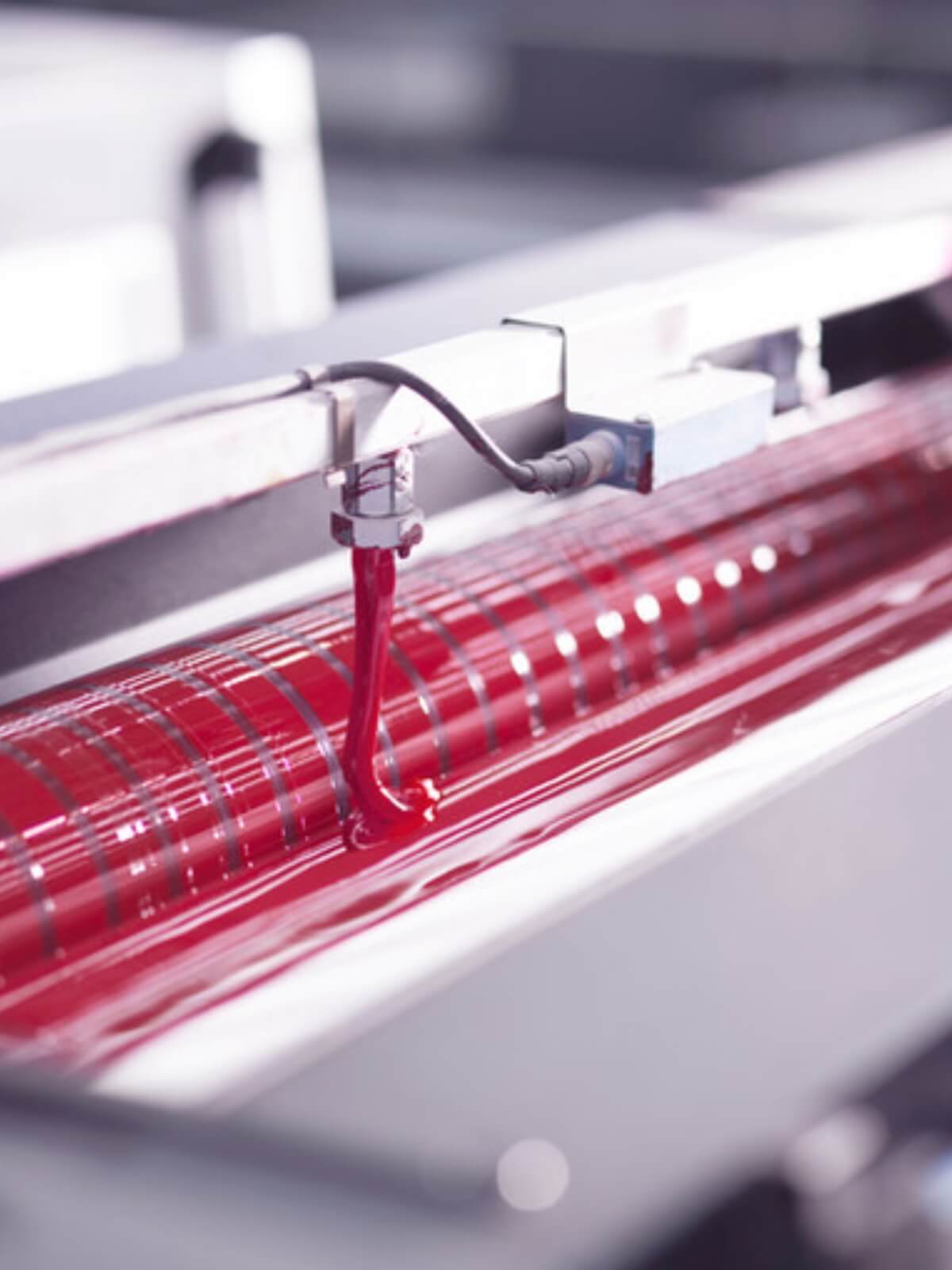
Rotogravure printer can produce ultra high-quality images with fine detail and sharpness. This makes it ideal for printing high-resolution graphics and images, such as those found in magazines and other publications. It is also capable of printing on a wide range of materials, including thin and delicate materials.
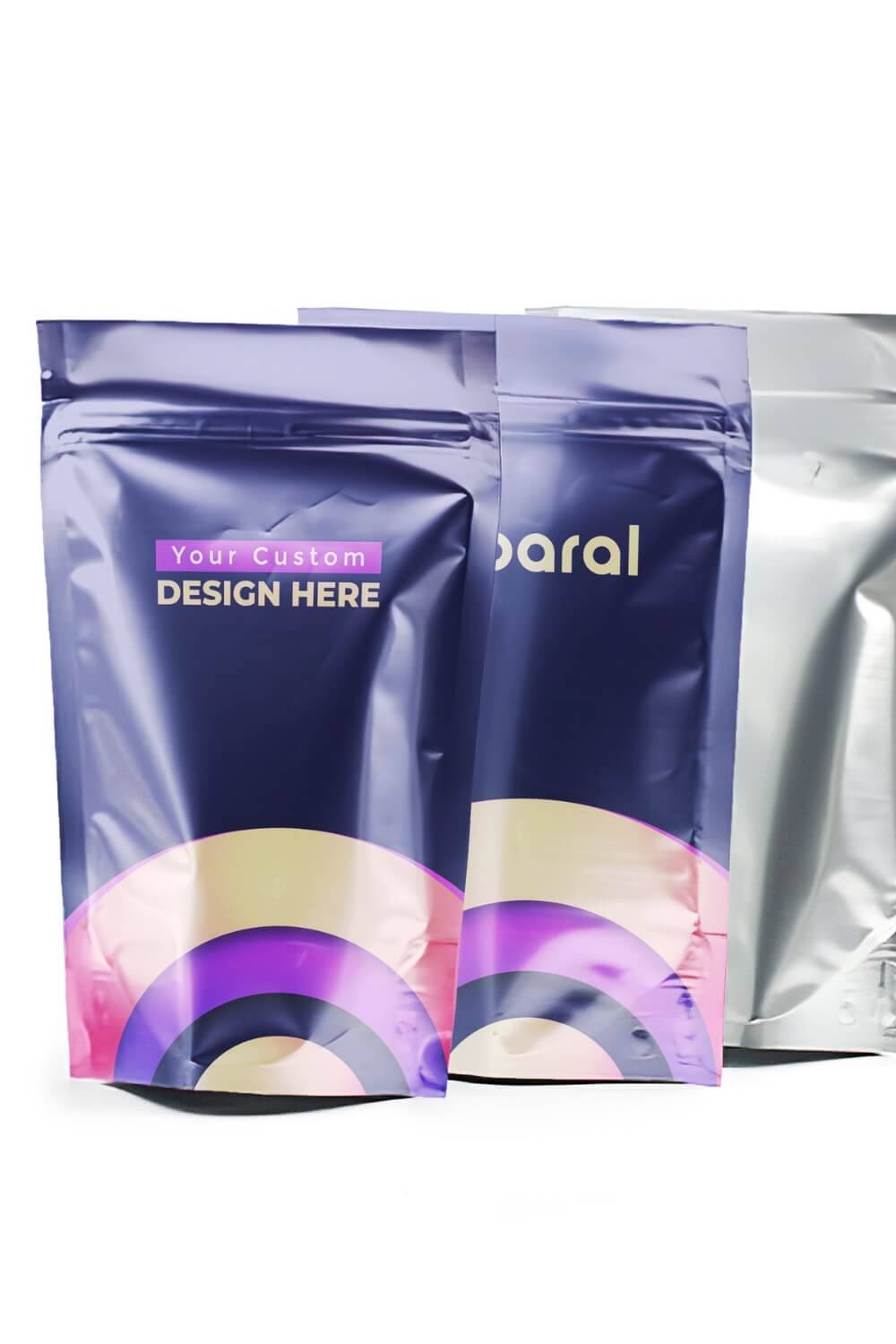
rotogravure printing is its high speed and efficiency. Because the cylinder is rotated at high speed, it can produce large volumes of printed material in a short amount of time. This makes it suitable for mass production of printed materials, such as newspapers and packaging.
Rotogravure printer can produce ultra high-quality images with fine detail and sharpness. This makes it ideal for printing high-resolution graphics and images, such as those found in magazines and other publications. It is also capable of printing on a wide range of materials, including thin and delicate materials.
rotogravure printing is its high speed and efficiency. Because the cylinder is rotated at high speed, it can produce large volumes of printed material in a short amount of time. This makes it suitable for mass production of printed materials, such as newspapers and packaging.
Compare
All these print methods are used to produce images on a variety of surfaces. Digital and UV printing uses digital technology to directly transfer an image onto a printing substrate, while flexo printing and gravure printing use printing plates to transfer the image onto the substrate.
Cost Efficiency
Setup Time
Plate Setup
Small Volumn
Short
No
Large Volumn
Slightly Long
Yes
Large Volumn
Moderate
Yes
Small Volumn
Very Short
No
Let's Connect