

Capability fit
Useful for food, personal-care, and sustainability-positioned projects when the material stack can meet bond and compliance targets.
Buyer confidence
Water-based lamination can support lower-odor flexible packaging goals, but suitability still depends on adhesive chemistry, drying, cure window, substrate stack, migration documentation, and filled-pack stress.

Useful for food, personal-care, and sustainability-positioned projects when the material stack can meet bond and compliance targets.
Review adhesive route, drying energy, cure timing, peel strength, COF, odor, and sealant compatibility before scale-up.
Aroma-sensitive, oily, wet, or liquid products need product-specific validation instead of a generic material claim.
Quote path should include product exposure, contact status, material preference, target shelf life, MOQ, and timing.
| Buyer situation | Recommended path |
|---|---|
| Food-contact project | Migration and compliance document review |
| Odor-sensitive product | Cure, drying, and residual odor check |
| Liquid or oily product | Bond strength and seal validation |
| Sustainability claim | Material route and claim language review |
Share product type, fill weight, material preference, target MOQ, artwork status, and launch timing so the quote can be matched to the right structure.
Not automatically. The best route depends on product contact, barrier needs, cure behavior, documentation, and filled-pack performance.
Weak bond, odor, slow drying, migration risk, poor seal compatibility, or product exposure mismatch can all create launch risk.
Ask for material stack, adhesive route, bond-strength expectations, migration documentation, odor guidance, and filled-pack testing plan.
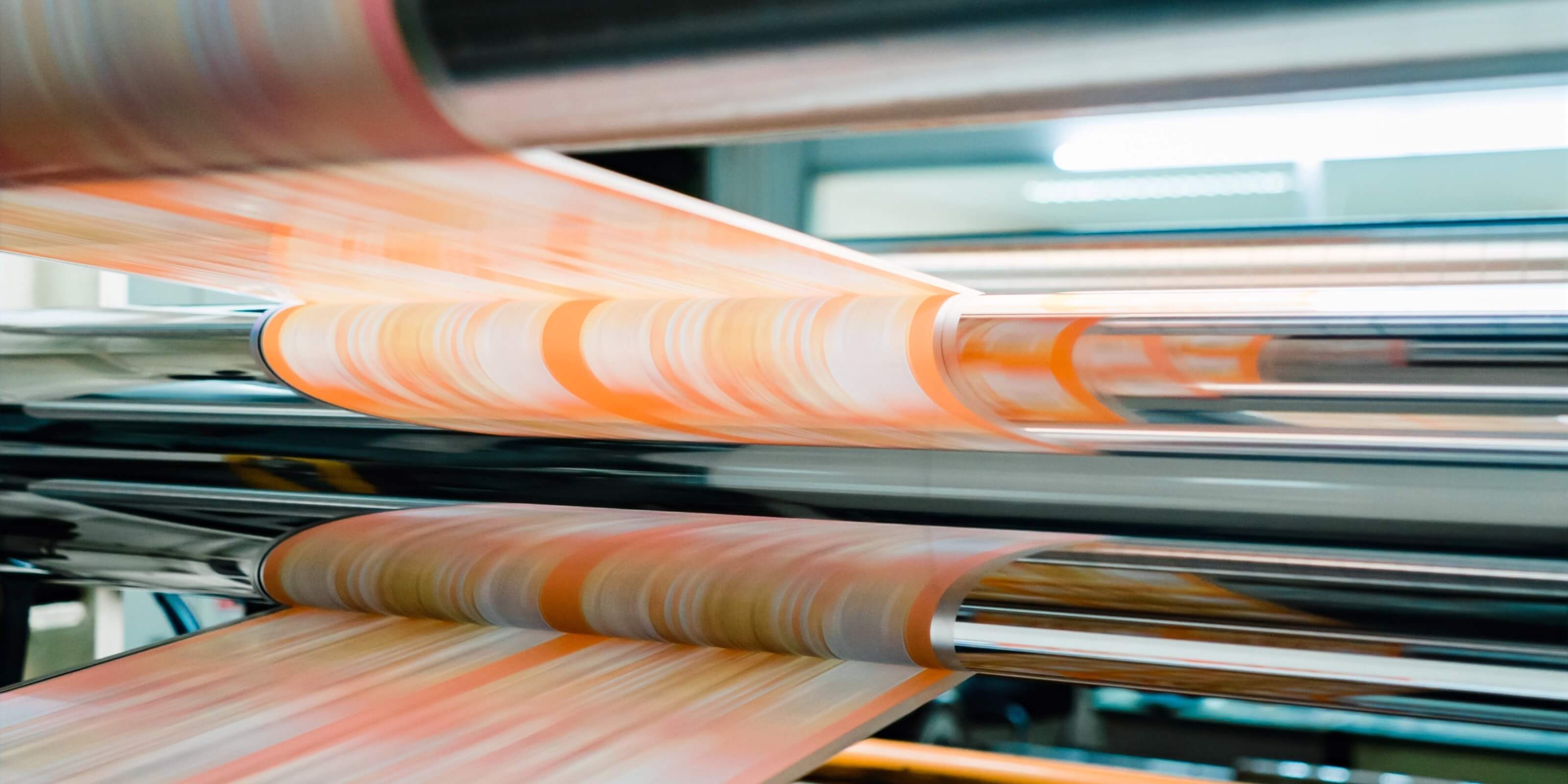
Water based lamination can reduce solvent exposure, but packaging suitability still depends on drying, bond strength, migration, odor, and the full film structure.
| Decision area | Why it matters | What to confirm |
|---|---|---|
| Drying | Controls residual moisture | Line speed, coating weight, web temperature |
| Bond strength | Protects laminate integrity | Peel, aging, and filled-pack trials |
| Product sensitivity | Changes risk | Odor, migration, oil, aroma, moisture |
| Alternative route | May fit better | Solvent free, solvent based, extrusion lamination |
Solvent free vs solvent based lamination, Solvent based lamination, Extrusion lamination, Flexible packaging films, High barrier packaging.
It can be used only when the full structure, adhesive, curing/drying, and compliance documents support that use.
No. Water based systems use water as the carrier, while solvent free systems use different adhesive chemistry.
Ask for adhesive type, drying window, bond-strength results, migration documents, and filled-pack test guidance.
Water Based Lamination
Water-based lamination is a process of applying a water-based adhesive to a substrate and then applying a film or paper to the adhesive. This creates a laminated product that is environmentally friendly and has a clear, glossy finish. It is commonly used in the packaging industry for items such as food packaging and labels.
Applications
Water-based lamination is a process that uses water as a carrier for the adhesive, rather than solvents. This method is often used in the production of flexible packaging, such as bags, pouches, and wraps. Due to the lower toxicity and greater environmental friendliness of water-based adhesives, water-based lamination is becoming increasingly popular in many industries. Additionally, water-based lamination provides a more cost-effective and efficient process compared to solvent-based lamination.
Click here for solvent based lamination
Click here for non-solvent based lamination
Learn about the materialsMaterial Structure
OPP/CPP
OPP/VMCPP
PET/CPP
PET/LLDPE
PET/VMCPP
PET/VMPET/PE
OPP/VMPET/LLDPE
PET/VMPET/LLDPE
NY/CPP
NY/LLDPE
NY/LLDPE
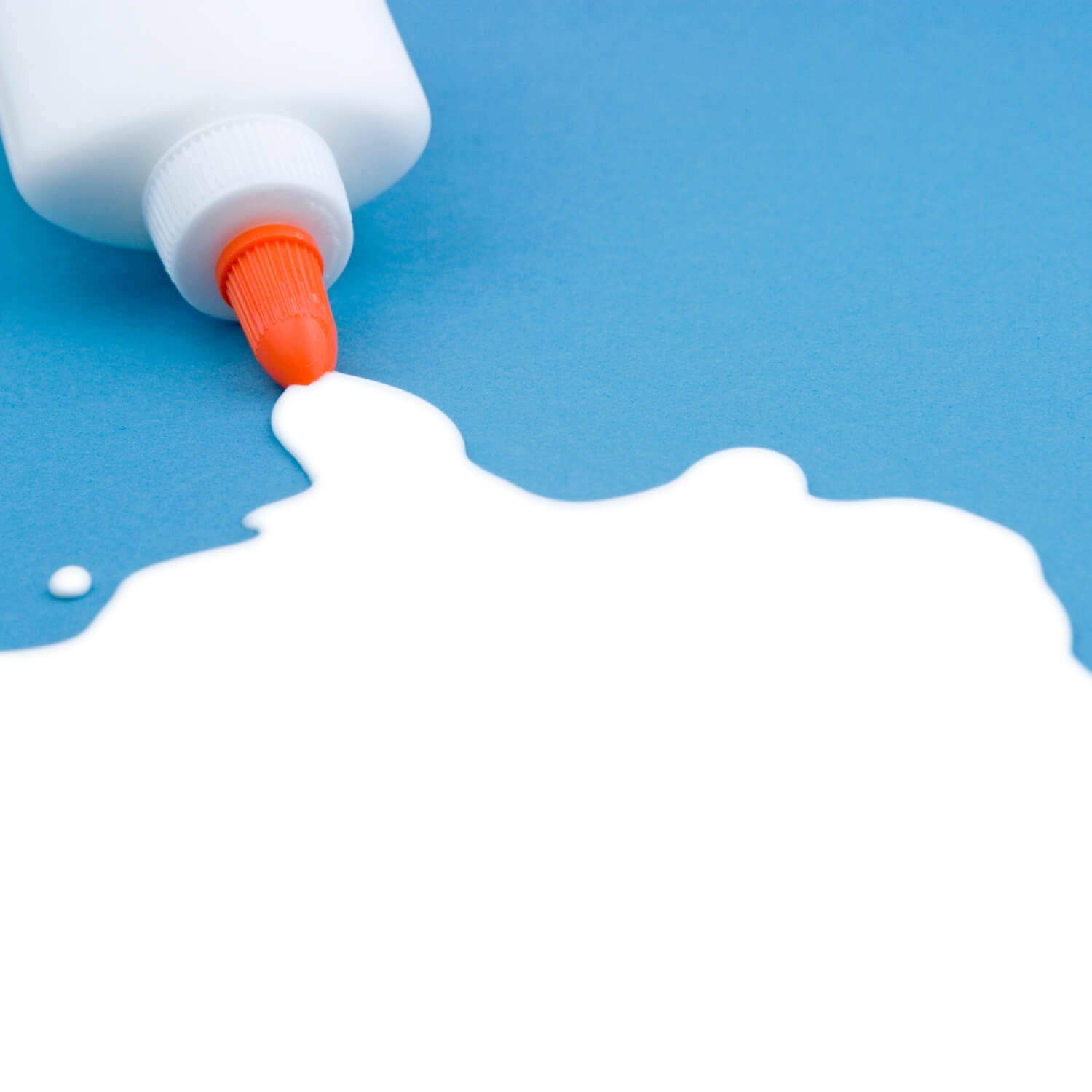
Benefits of Water Based Lamination
Water based lamination uses water as a carrier instead of solvents, which reduces emissions and pollution. Since it uses water, it is not flammable, which makes it safer to handle than solvent-based lamination, and it does not produce the strong odors associated with solvent-based lamination, making it more pleasant to work with.
1. Strong bond: Solvent-based adhesives create a strong bond between the two surfaces being laminated, which helps to ensure that the finished product is durable and long-lasting.
2. Fast drying time: Solvent-based adhesives dry quickly, which allows for faster production times and helps to minimize downtime.
3. Good for high-temperature applications: Solvent-based adhesives can withstand high temperatures, making them well-suited for laminating products that will be exposed to heat.
4. Can be used with a wide range of materials: Solvent-based adhesives can be used with a variety of materials, including plastics, metals, and composites, which makes them a versatile option for lamination.
5. Cost-effective: Solvent-based adhesives are typically less expensive than other types of adhesives, which can help to keep production costs low.
1. Environmental friendliness: Water-based lamination does not emit harmful pollutants or volatile organic compounds (VOCs) into the air, making it a more environmentally friendly option.
2. Health and safety: Water-based lamination is less toxic and flammable than solvent-based lamination, making it safer for operators to use.
3. Clarity and gloss: Water-based lamination can provide a clear, glossy finish that is comparable to solvent-based or UV-cured lamination.
4. Compatibility: Water-based lamination is compatible with a wide range of substrates, including paper, cardboard, and certain types of plastics.
5. Cost-effectiveness: Water-based lamination is generally less expensive than solvent-based or UV-cured lamination, making it a more cost-effective option for some applications.
6. Flexibility: Water-based lamination can be applied at lower temperatures, making it more suitable for heat-sensitive materials.
Let's Connect