
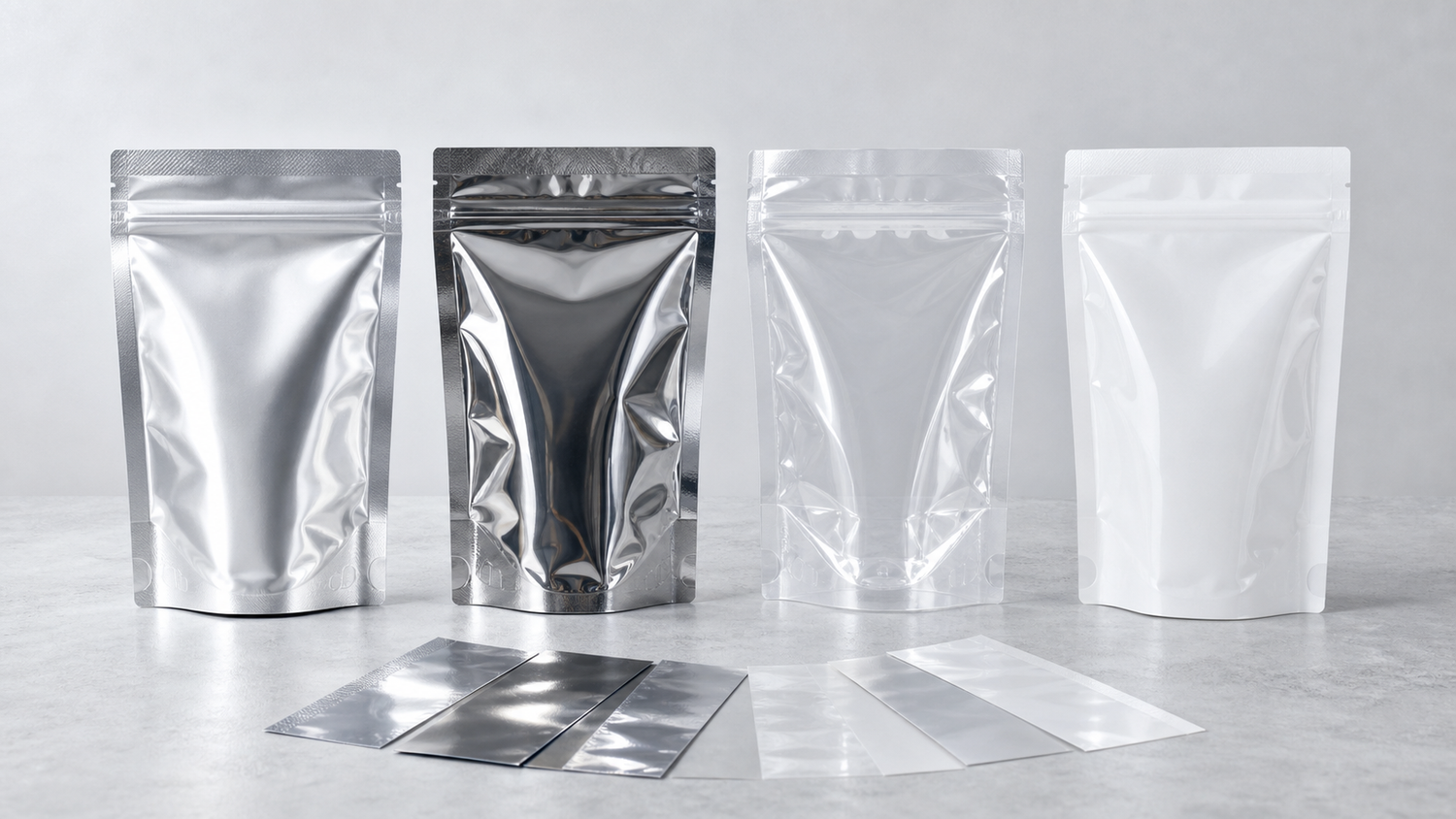
"High barrier" is not one film recipe. It is a performance request. A buyer should first identify what can damage the packed product, then ask a supplier to propose and document a structure that controls that exposure.
For a short launch, the sensible route is often a small run through Anacotte's low-MOQ packaging collection, followed by seal and storage checks before a larger order.
Start with the product, not the laminate name

Identify whether oxygen, water vapor, light, aroma loss, or several factors are the main concern. Record filling temperature, equipment, visibility needs, storage climate, and target unopened shelf period.
OTR measures oxygen transmission; WVTR measures water-vapor transmission. Request the test method, conditions, units, and representative value. The FDA food-contact packaging overview also shows why intended contact conditions matter.
Compare structures by the job they perform
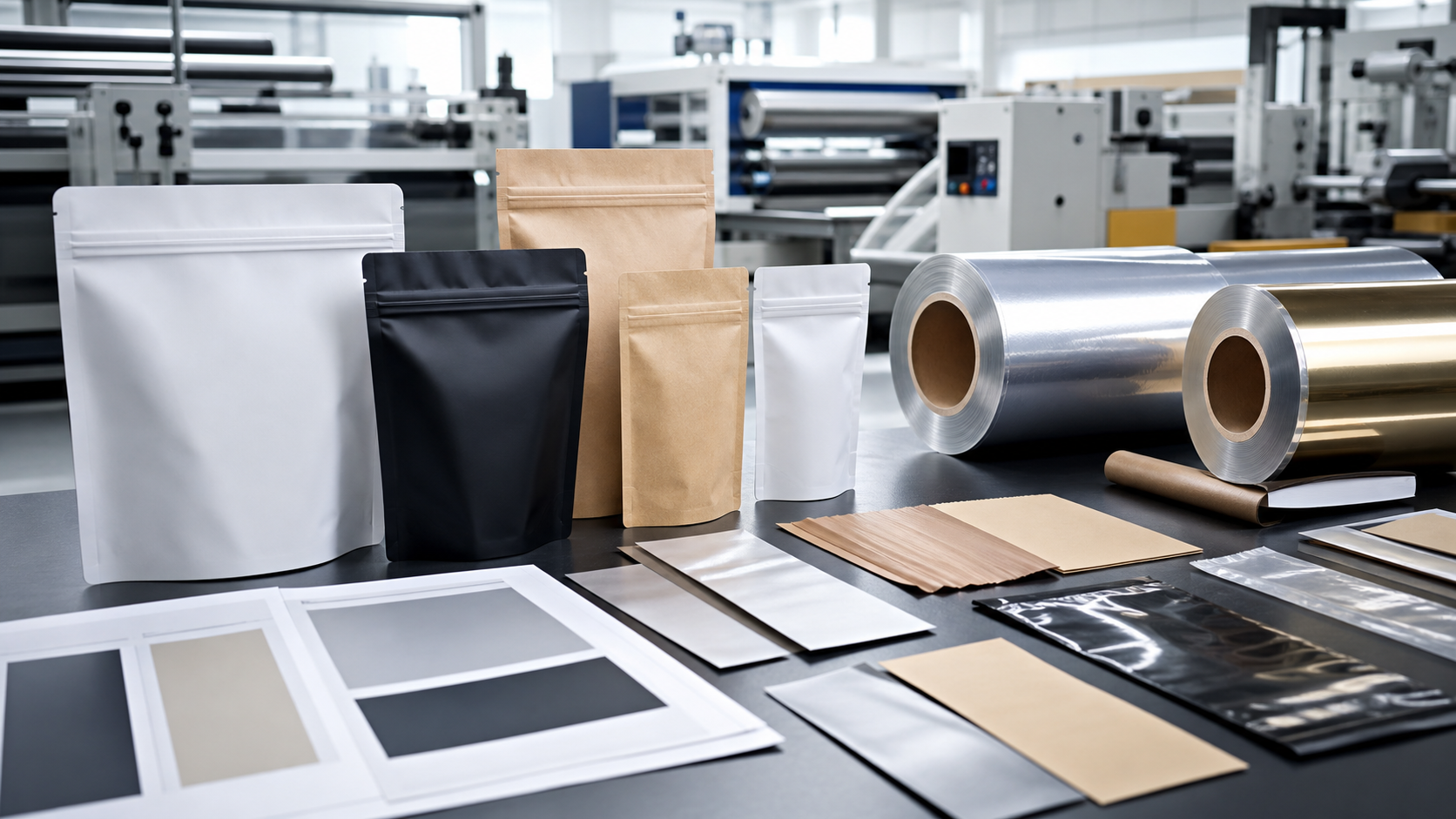
PET/foil/PE laminates block light and can deliver strong gas and moisture protection. PET/metallized PET/PE structures can provide strong barrier with a different cost and handling profile. Clear high-barrier structures may use coatings or dedicated barrier layers when product visibility or metal detection matters.
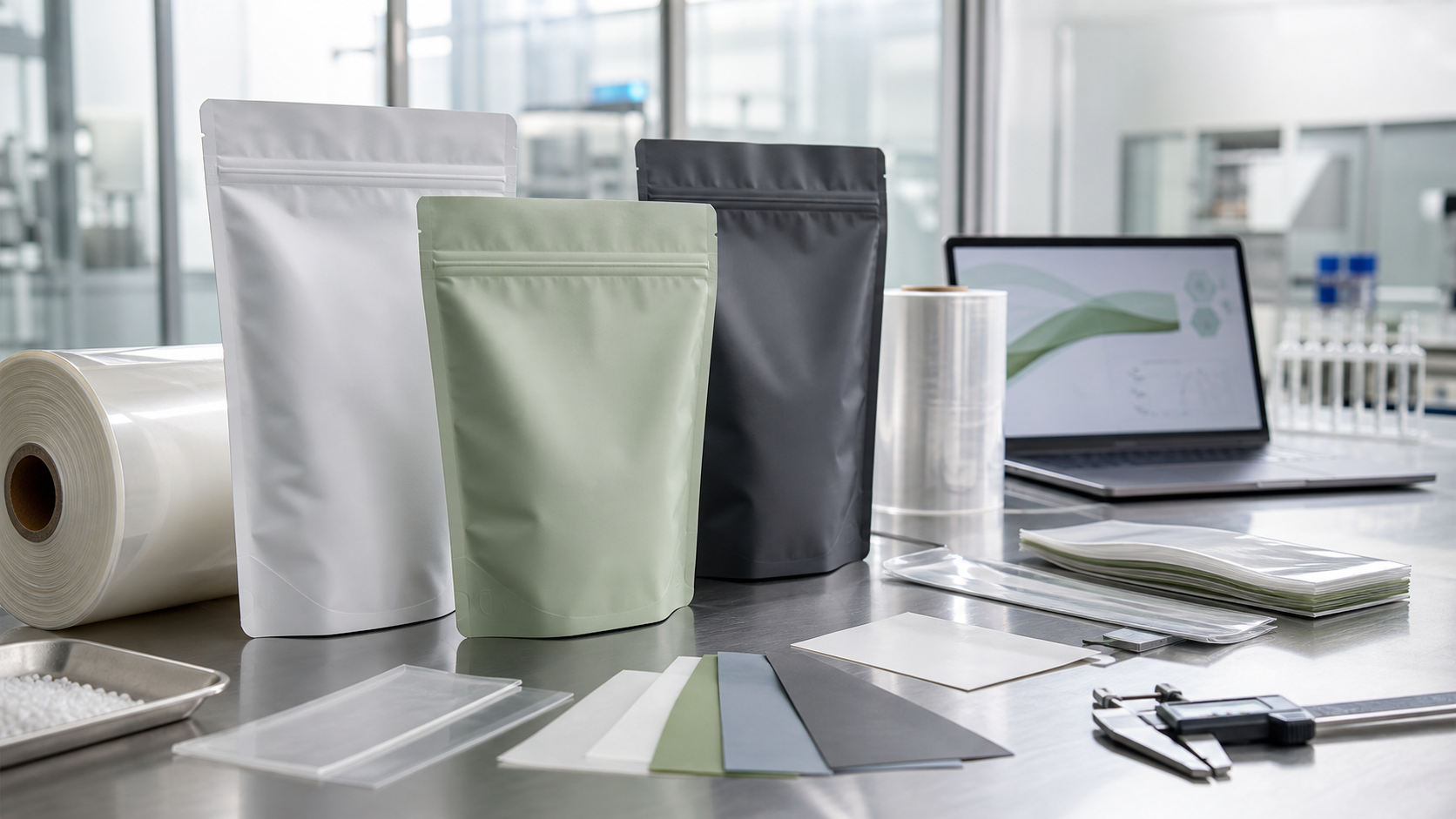
Mono-material-oriented designs can simplify a recycling pathway, but barrier, zipper, ink, adhesive, and local collection realities still matter. The CEFLEX guidelines and APR Design Guide are design references, not proof that a finished pouch is recyclable everywhere.
Compare Anacotte's high-barrier packaging, stand-up pouches, and flat-bottom pouches.
Barrier data can be undone at the seal
A strong film does not rescue a contaminated, wrinkled, or under-heated seal. Check seal continuity, pinholes, flex cracking, leak performance, odor transfer, print rub, and pouch stiffness after filling. Film data alone does not cover the zipper, valve, tear notch, seal geometry, or production handling.
Keep claims separate from specifications
The FTC Green Guides summary explains why broad environmental claims need evidence and qualification. Review recyclable packaging options alongside barrier requirements, but match any final claim to the complete pouch and target market.
Prepare a low-MOQ validation brief
Send product type, fill weight, target shelf period, climate, pouch dimensions, closure, finish, monthly volume, SKU count, and quantity per artwork. Use customized packaging to compare print routes, then request a quote with material data, sample, proof, and tolerance questions.

Leave a comment
This site is protected by hCaptcha and the hCaptcha Privacy Policy and Terms of Service apply.