
Match the packaging format to product risk, filling method, and shelf channel.
Pouch packaging guide
Pouch Packaging Guide
Pouch Packaging Guide helps buyers compare packaging options, material trade-offs, MOQ paths, and quote inputs before choosing a pouch, film, or custom structure.
Need pricing for this exact packaging decision?
Share product type, fill weight, target quantity, material or barrier needs, artwork status, and launch timing. Anacotte can shortlist the practical structure before you over-spec the order.
Start an RFQCompare material, barrier, print, closure, and sustainability trade-offs before locking a spec.
Send product details, size target, quantity, and timing for a tighter quote.
Pouch Packaging Guide
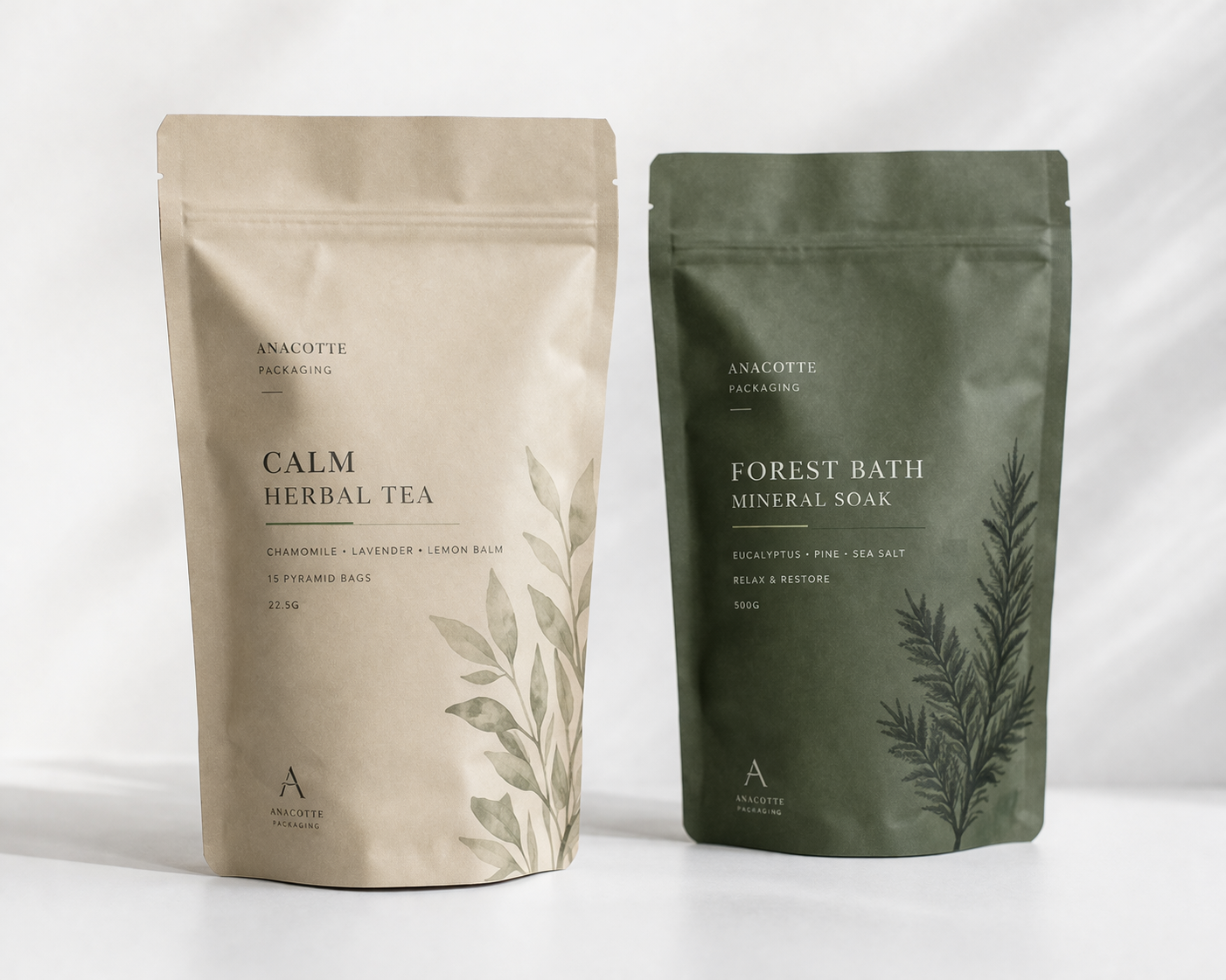
Pouch packaging is one of the most flexible formats for food, pet, refill, personal care, and consumer products.
Pouch packaging should be selected by product form, fill weight, shelf display, closure need, barrier risk, filling method, and launch volume, then matched to stand up, flat, spout, sachet, retort, or high-barrier pouch formats.
TL;DR
- Stand up pouches support retail shelf presence and resealable use.
- Spout pouches support liquids, refills, sauces, and gels.
- Flat pouches and sachets support samples, portions, and compact shipping.
Decision table
| Pouch type | Best fit | Main spec |
|---|---|---|
| Stand up pouch | Retail dry goods | Gusset and zipper |
| Spout pouch | Liquids and refills | Fitment and cap |
| Retort pouch | Heat processed foods | Process validation |
| Sachet | Single serve | Tear and dose control |
Related packaging resources
Stand up pouches, Spout pouches, Low MOQ packaging, Get a quote.
Frequently Asked Questions
What is pouch packaging used for?
It is used for snacks, coffee, pet food, sauces, supplements, refills, powders, and samples.
What is the best pouch material?
The best material depends on barrier, sealing, product sensitivity, and recycling requirements.
Can pouch packaging be custom printed?
Yes. Labels, digital print, flexo, and rotogravure can support different volumes.
Request quote support
Send product specs for a packaging recommendation
Tell us your product, target pack size, barrier needs, quantity, artwork status, and timing. We will help you narrow the right packaging direction before you lock the spec.
Get direction on pouch type, film structure, closure, finish, and shelf-life risk before locking a specification.
Share your target run size so we can compare digital, custom, and bulk production trade-offs.
Include filling method, pack size, material preference, artwork status, and launch timing for a more precise reply.