
Match the packaging format to product risk, filling method, and shelf channel.
Packaging decision guide
Flexible Packaging Guide
Flexible Packaging Guide helps buyers compare packaging options, material trade-offs, MOQ paths, and quote inputs before choosing a pouch, film, or custom structure.
Need pricing for this exact packaging decision?
Share product type, fill weight, target quantity, material or barrier needs, artwork status, and launch timing. Anacotte can shortlist the practical structure before you over-spec the order.
Start an RFQCompare material, barrier, print, closure, and sustainability trade-offs before locking a spec.
Send product details, size target, quantity, and timing for a tighter quote.
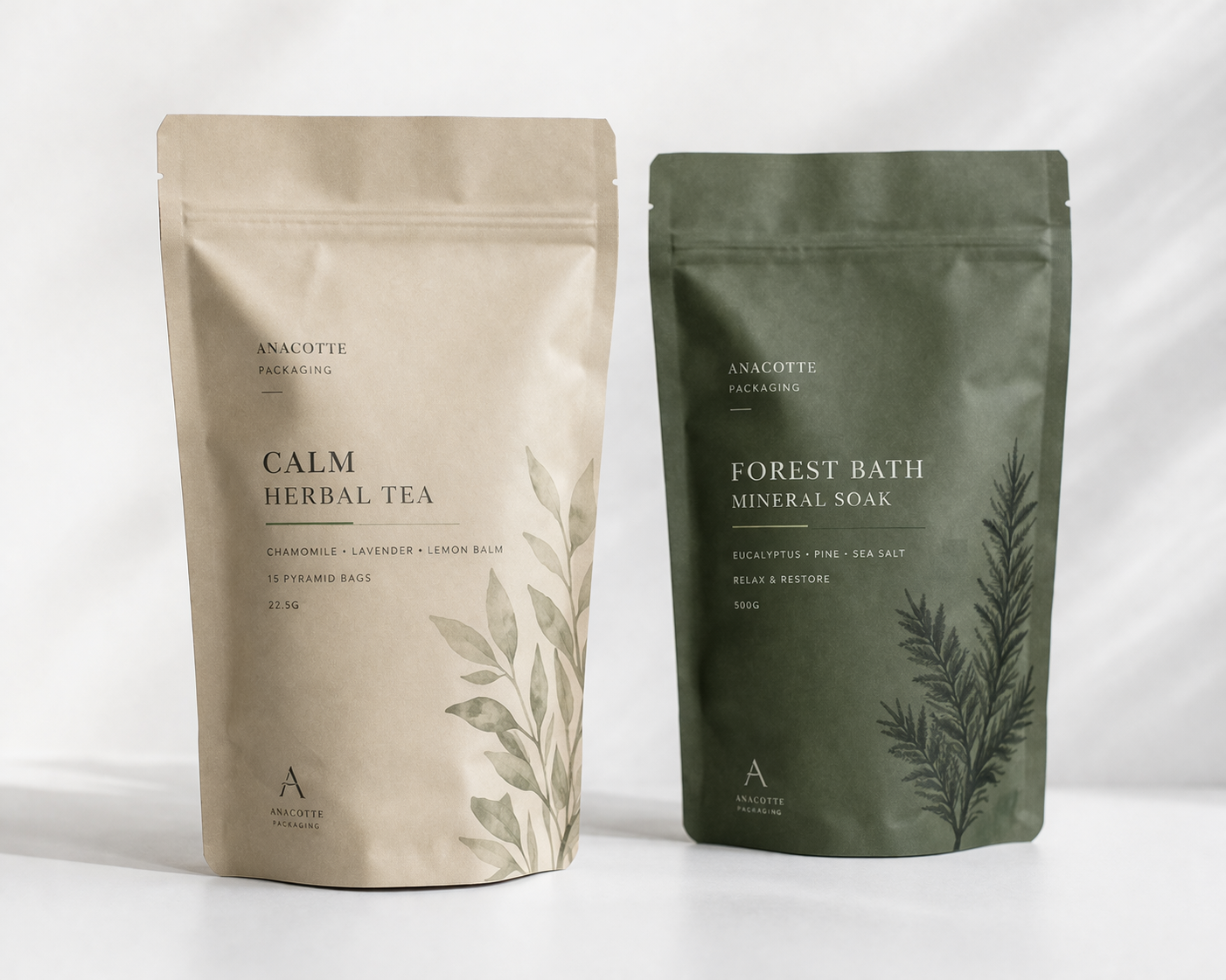
Flexible Packaging Guide
Flexible Packaging Guide Flexible packaging covers pouches, films, sachets, wrappers, and rollstock that protect products while reducing weight and improving pack-out efficiency.
Flexible packaging decisions should connect product sensitivity, pouch or rollstock format, barrier target, print method, MOQ, filling equipment, and distribution testing.
TL;DR
- Choose the format around product, filling equipment, shelf display, and shipping channel.
- Barrier, sealant, zipper, valve, spout, and finish decisions should come before artwork release.
- Run filled-package testing before scaling a new material or structure.
Decision table
| Decision area | Why it matters | What to confirm |
|---|---|---|
| Format | Defines the user and filling experience | Pouch, sachet, wrapper, or rollstock |
| Barrier | Protects shelf life | Oxygen, moisture, aroma, light |
| Printing | Controls cost and color | Digital, flexo, or rotogravure |
| Testing | Reduces launch risk | Seal, drop, storage, transit |
Related packaging resources
Flexible packaging films, Stand up pouches, Flat bottom pouches, Rollstock packaging, Recyclable packaging.
Frequently Asked Questions
What is flexible packaging?
It is packaging made from flexible films or laminates, such as pouches, sachets, wrappers, and rollstock.
Is flexible packaging recyclable?
Some structures can be designed for recyclability, but local acceptance and material choices determine the claim.
What should buyers decide first?
Start with product sensitivity, filling method, format, and shelf-life target.
Request quote support
Send product specs for a packaging recommendation
Tell us your product, target pack size, barrier needs, quantity, artwork status, and timing. We will help you narrow the right packaging direction before you lock the spec.
Get direction on pouch type, film structure, closure, finish, and shelf-life risk before locking a specification.
Share your target run size so we can compare digital, custom, and bulk production trade-offs.
Include filling method, pack size, material preference, artwork status, and launch timing for a more precise reply.