
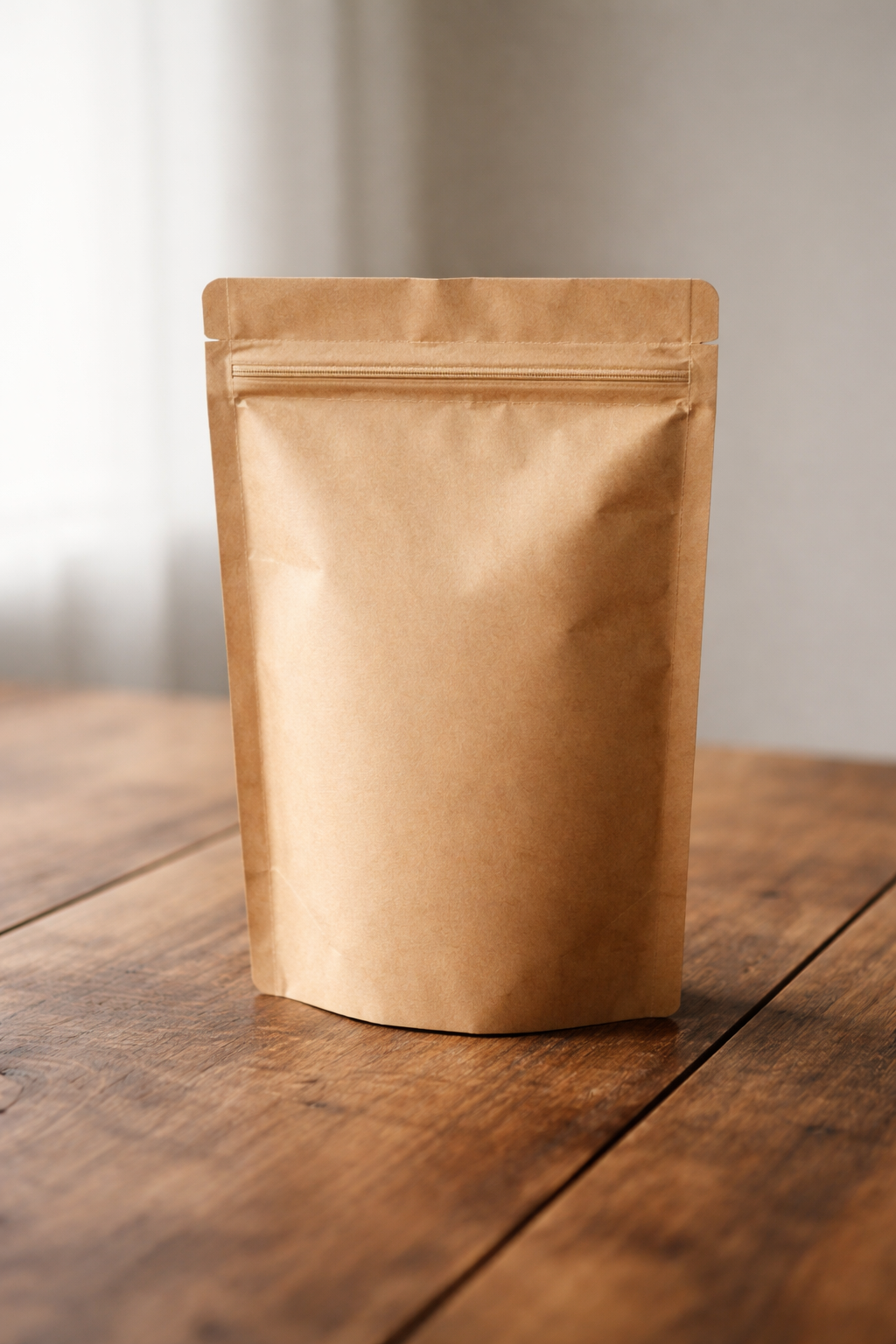
How to Choose the Right Flexible Packaging for Your Product
Flexible packaging has become one of the most widely used packaging formats across industries such as food, coffee, pet products, and dietary supplements. According to research from Grand View Research, the global flexible packaging market exceeded USD 280 billion in 2023, driven by demand for lightweight, cost-efficient, and customizable packaging solutions.
For many brands, packaging is more than just a container. The right packaging helps protect the product, extend shelf life, reduce transportation costs, and improve brand visibility.
Understanding several key factors can help businesses choose the most suitable flexible packaging solution.
Understand Your Product Requirements
The first step in choosing flexible packaging is understanding the characteristics of the product itself.
Different products require different levels of protection against oxygen, moisture, light, and contamination. For example, coffee, snacks, and pet food often require high-barrier packaging materials to preserve freshness and flavor.
Products that are less sensitive to oxygen or moisture may require simpler packaging structures.
According to the Flexible Packaging Association, flexible packaging can reduce material usage and packaging weight compared with rigid containers while still maintaining strong protective performance.
Consider Packaging Structure and Format
Flexible packaging is available in several formats designed for different product types.
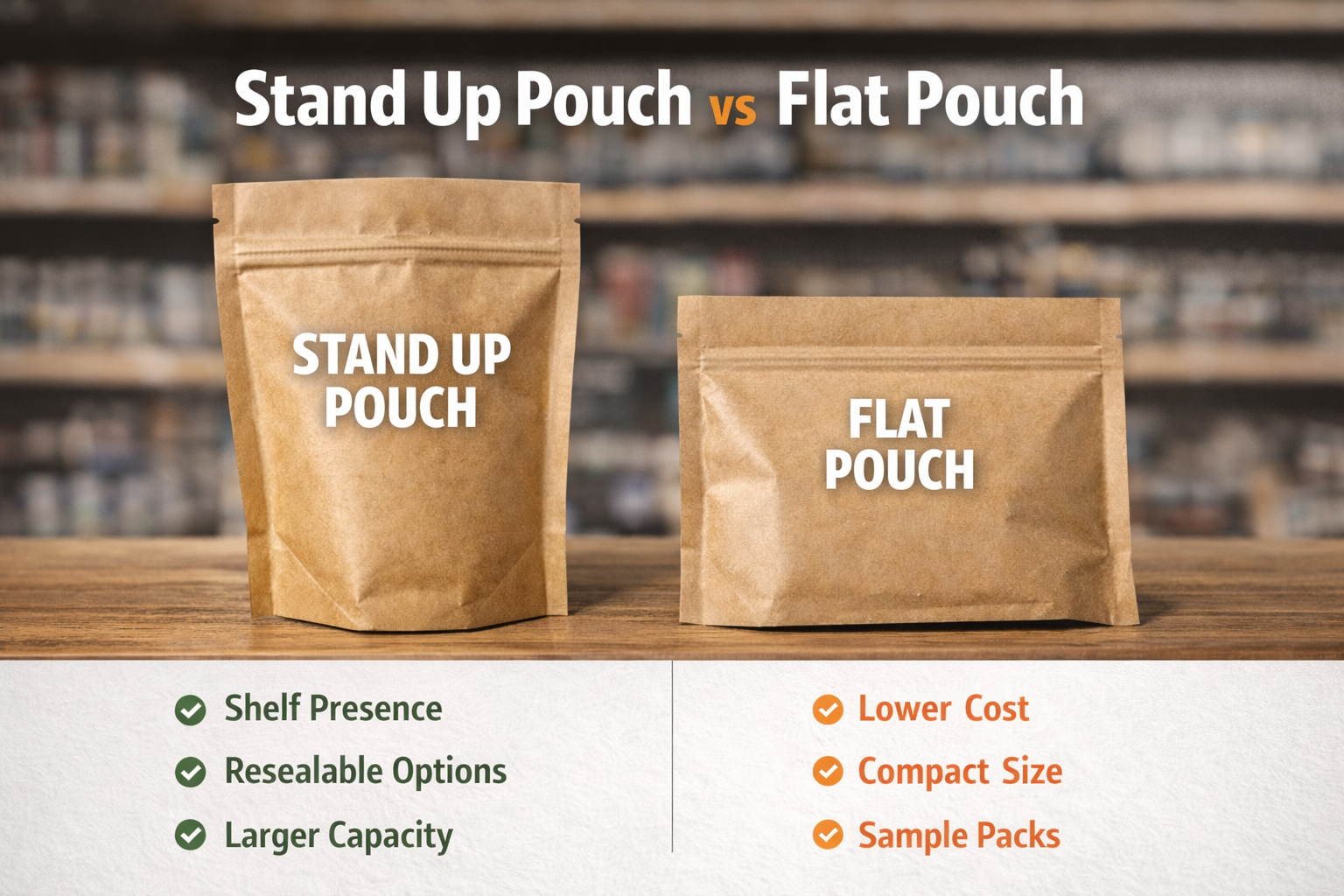
The most common pouch formats include stand up pouches, flat pouches, and spout pouches.
Stand up pouches are widely used for retail packaging because they can stand upright on shelves and offer strong visual presence.
Flat pouches are often used for smaller products or sample packaging due to their compact structure and lower production cost.
Spout pouches are commonly used for liquid or semi-liquid products because they allow convenient pouring and resealing.
Selecting the right pouch format improves both functionality and consumer convenience.
Evaluate Material and Barrier Properties
Flexible packaging typically uses multi-layer materials to achieve strength, flexibility, and barrier protection.
Common material structures may include PET, PE, aluminum foil, and metallized films. Each layer plays a different role in protecting the product from oxygen, moisture, or light exposure.
For example, aluminum foil layers provide strong oxygen and light barriers, while polyethylene layers provide sealability and durability.
Choosing the correct material structure is essential for maintaining product quality during storage and transportation.
Consider Branding and Printing
Packaging design also plays a significant role in brand communication.
Flexible packaging allows for high-quality custom printing, making it easier for brands to display logos, product information, and attractive graphics.
Modern printing technologies support matte finishes, glossy surfaces, and high-resolution graphics that help products stand out on store shelves.
Strong packaging design can improve brand recognition and influence purchasing decisions.
Balance Cost and Logistics
Cost efficiency is another important factor when selecting packaging.
Flexible pouches typically require less material and weigh significantly less than rigid containers. This helps reduce transportation costs and improve supply chain efficiency.
Research from Smithers shows that lightweight flexible packaging continues to gain popularity as brands look to improve logistics efficiency and sustainability.
Quick Guide: Choosing the Right Flexible Packaging
| Product Type | Recommended Packaging |
|---|---|
| Snacks / Coffee | Stand Up Pouch |
| Powder Products | Stand Up Pouch |
| Liquid Products | Spout Pouch |
| Small Portions | Flat Pouch |
| Sample Products | Flat Pouch |
This simple guide can help brands quickly identify suitable pouch types based on product characteristics.
Frequently Asked Questions
What are the advantages of flexible packaging?
Flexible packaging is lightweight, customizable, and cost-efficient. It can also provide strong barrier protection while reducing transportation and storage costs.
Which pouch type is best for retail products?
Stand up pouches are commonly used for retail products because they provide better shelf visibility and branding space.
Is flexible packaging sustainable?
Many flexible packaging solutions now include recyclable materials and reduced material usage, which can help lower environmental impact.
Final Thoughts
Choosing the right flexible packaging requires evaluating product characteristics, barrier protection requirements, pouch structure, branding needs, and cost considerations.
By selecting the right materials and pouch formats, brands can ensure product safety while creating packaging that enhances shelf appeal and consumer convenience.
As flexible packaging technology continues to evolve, businesses that invest in well-designed packaging solutions will be better positioned to meet both market demands and sustainability goals.

Dejar un comentario
Este sitio está protegido por hCaptcha y se aplican la Política de privacidad de hCaptcha y los Términos del servicio.