

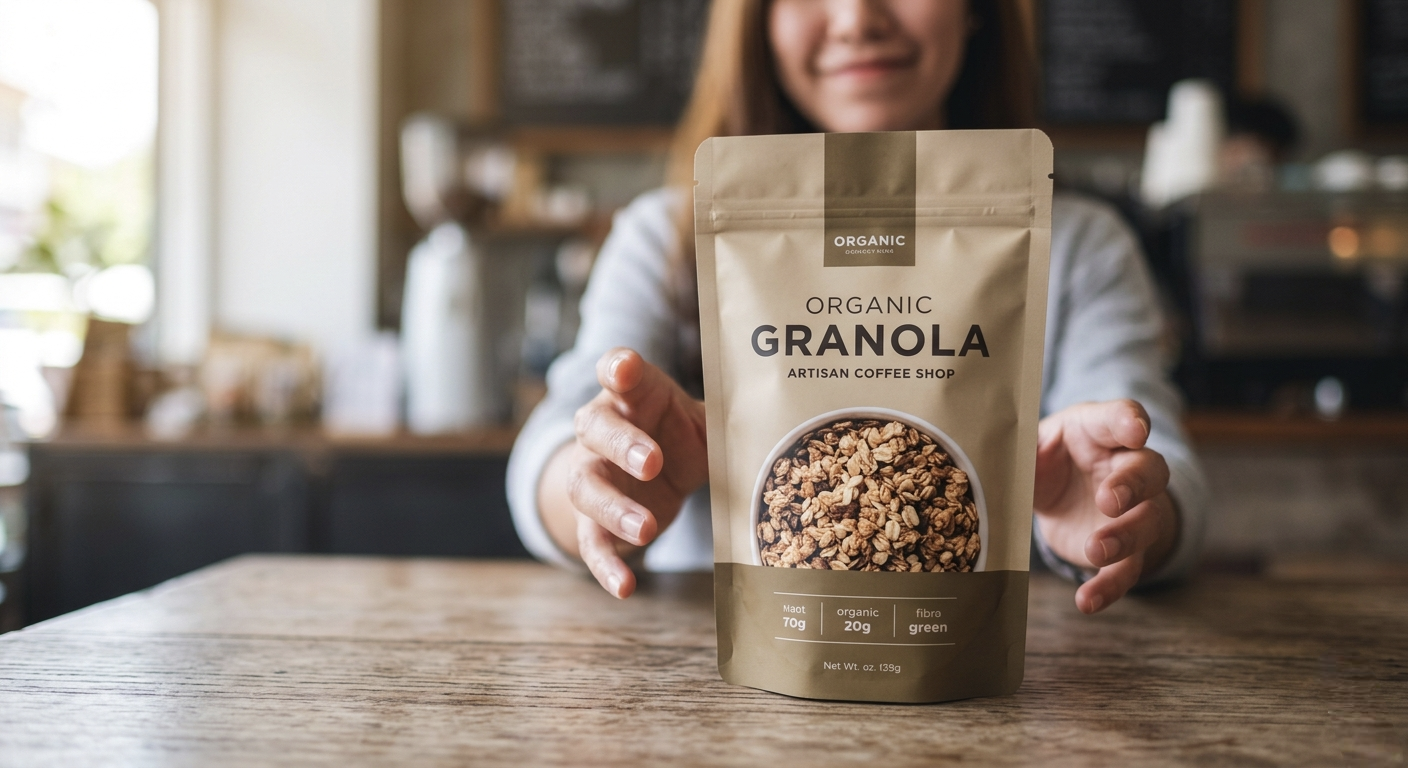
In today’s rapidly evolving retail and e-commerce landscape, packaging is no longer just a container—it is a strategic asset that directly influences product protection, brand perception, and purchasing decisions. Among modern packaging formats, custom stand-up pouches have become one of the fastest-growing solutions due to their flexibility, lightweight structure, and strong shelf presence.
Industry data strongly supports this shift. The global flexible packaging market was valued at approximately $293.9 billion in 2025 and is projected to reach over $440 billion by 2033. In parallel, the flexible food packaging segment alone is expected to grow from $162.3 billion in 2025 to $251.8 billion by 2034.
Additionally, flexible packaging now accounts for over 40% of global packaging demand, highlighting its dominance across food, pet care, and consumer goods sectors.
Despite these advantages, selecting the right stand-up pouch requires balancing three key factors:
product protection, structural performance, and cost efficiency.

Material Selection for Stand Up Pouch Packaging (Barrier, Safety & Performance)
Material structure is the foundation of pouch performance. It determines barrier protection, durability, sealing strength, and shelf life.
According to U.S. Food and Drug Administration, food packaging materials must be safe for contact and should not transfer harmful substances into products. Similarly, European Food Safety Authority emphasizes that packaging must prevent contamination and preserve food quality.
The World Health Organization also highlights that unsafe food handling and packaging contribute significantly to global foodborne illnesses, affecting approximately 600 million people annually.
From a scientific perspective, research published by National Institutes of Health shows that oxygen exposure significantly accelerates lipid oxidation and food degradation, directly impacting shelf life
Key Factors When Choosing Pouch Materials
· Product Sensitivity: Oxygen, moisture, and light sensitivity determine barrier requirements
· Physical Properties: Heavy or sharp contents require puncture-resistant films
· Shelf Life Requirements: Higher barrier materials extend shelf life
Common Stand-Up Pouch Material Structures Explained
· PET/PE – Cost-effective for dry foods
· PET/AL/PE – Maximum barrier protection
· PET/VMPET/PE – Balanced performance and cost
· NY/PE – High durability and puncture resistance
· Monomaterials (PE/PP) – Recyclable solutions
Sustainability is a growing driver. The Food and Agriculture Organization estimates that approximately 1.3 billion tons of food are lost or wasted globally each year, and improved packaging can significantly reduce this loss.

Stand Up Pouch Sizes, Dimensions & Specifications (Complete Technical Guide)
Pouch size is not just a design choice—it is a critical engineering and cost factor that impacts logistics, filling efficiency, and consumer usability.
Standard Stand-Up Pouch Size Guide
|
Capacity |
Typical Dimensions (W × H × Gusset) |
|
50g–100g |
3" × 5" × 2" |
|
100g–250g |
4" × 6" × 2.5" |
|
250g–500g |
5" × 8" × 3" |
|
500g–1kg |
6" × 9" × 3.5" |
|
1kg–2kg |
8" × 11" × 4" |
Note: Actual capacity depends on product density.

Advanced Pouch Sizing Considerations
1. Product Density & Fill Dynamics
Incorrect sizing can lead to inefficient filling and product instability.
2. Headspace Optimization & Shelf Life
Headspace directly impacts oxygen exposure and freshness. Research shows oxygen presence accelerates spoilage, making proper pouch sizing critical.
3. Seal Area & Production Efficiency
Industry standard sealing margin: 10–15 mm to prevent leakage and contamination.
4. Logistics Optimization (Major Cost Lever)
Packaging inefficiency can significantly increase transportation costs. Studies indicate that poor packaging design can increase logistics costs by 15–30% due to unused space.
Additionally, flexible packaging can reduce overall packaging weight by up to 70% compared to rigid alternatives, leading to lower shipping costs and reduced carbon footprint.
5. Retail Shelf Impact & Consumer Experience
Well-designed pouches improve usability and purchase likelihood. Research shows that 72% of consumers say packaging design influences purchasing decisions.

Cost Breakdown of Stand Up Pouch Packaging (Digital Printing Focus)
Packaging cost is a critical factor in profitability. On average, packaging represents 10–15% of total product cost in consumer goods.
1. Material Cost (Primary Driver)
Material selection directly impacts both cost and performance.
2. Digital Printing vs Traditional Printing
Digital printing is transforming flexible packaging.
Key Advantages of Digital Printing
· No plate costs
· Low MOQ (500–1,000 units)
· Faster turnaround
· Flexible design updates
The global digital printing packaging market is expected to grow at a CAGR of over 6% through 2030.
3. Total Cost vs Unit Cost
Digital printing reduces:
· Upfront investment
· Inventory risk
· Cash flow pressure
4. Inventory & Waste Reduction
Plastic waste remains a major issue. Globally, over 367 million tons of plastic waste are generated annually.
Digital printing supports:
· On-demand production
· Reduced excess inventory
5. Design Flexibility Without Added Cost
Unlimited colors and high-resolution printing improve branding without increasing setup costs.
6. Functional Features & Cost Impact
· Zippers → +5–10%
· Valves → +10–20%
· Spouts → higher cost
· Matte finishes → premium pricing

Conclusion – Building a High-Performance, Cost-Efficient Packaging Strategy
Custom stand-up pouch packaging is no longer just a functional requirement—it is a strategic business tool that directly impacts product success and profitability.
With increasing demand for sustainable, flexible, and cost-efficient packaging, brands must adopt a data-driven approach to packaging design.
By aligning:
· Material selection
· Pouch sizing
· Digital printing strategy
you can create packaging that enhances product protection, reduces cost, and strengthens market competitiveness.
In today’s fast-changing market, this integrated approach is essential for long-term success.


Leave a comment
This site is protected by hCaptcha and the hCaptcha Privacy Policy and Terms of Service apply.