


As the pet food industry continues to grow, driven by the rising trend of pet humanization and health-conscious pet owners, packaging plays a pivotal role in ensuring product quality, convenience, and environmental responsibility. In the United States alone, approximately 66% of households—around 86.9 million homes—own at least one pet, creating enormous demand for high-quality pet food and reliable packaging solutions (APPA data via Research and Markets).
The economic scale behind this demand is significant. U.S. pet spending reached $150.6 billion in 2024, with $66.9 billion dedicated specifically to pet food and treats, making packaging a critical component of product protection, branding, and logistics.
Meanwhile, the global pet food packaging market is experiencing rapid expansion, projected to grow from $12.28 billion in 2024 to $23.71 billion by 2034, driven by demand for convenience, sustainability, and premium packaging formats.
This guide dives into the critical intersection of barrier technology and consumer convenience, exploring how material selection can preserve nutritional integrity and aroma while meeting the growing demand for recyclable, resealable, and shelf-stable packaging solutions. Whether you’re a pet food manufacturer, retailer, or a conscientious pet owner looking to understand packaging labels, this article will arm you with actionable insights.

The Science Behind Barrier Technology: Preserving Freshness and Nutrition
Pet food packaging isn’t just about aesthetics—it’s a science. To maintain product freshness and nutritional integrity, packaging must protect against external elements such as oxygen, moisture, light, and odors. Advanced barrier technology is particularly important as dry food represents nearly 45% of the U.S. pet food category, requiring long shelf life and strong moisture protection.
Oxygen Barriers
Oxygen exposure can lead to oxidation, causing nutrients like vitamins and fatty acids to degrade, potentially harming pets’ health. Materials like metallized films (e.g., PET/Aluminum laminates) or high-barrier polymers (e.g., EVOH) create an impermeable shield, extending shelf life and preserving product quality during distribution and storage.
Moisture Protection
Dry pet foods are susceptible to moisture absorption, which can lead to clumping, mold growth, and bacterial contamination. Multi-layer films with moisture-resistant coatings (e.g., nylon or polyester) or aluminum foil laminates are essential for maintaining crisp texture and preventing microbial growth.
Light Blocking
UV light can degrade vitamins and pigments in pet food. Opaque packaging materials (e.g., colored plastics or metallized pouches) or coatings with UV inhibitors help preserve product quality during shelf display and transportation.
Aroma Retention
Pets are highly attracted to scent. High-barrier films combined with hermetic sealing technologies ensure savory aromas remain locked inside the package, improving palatability and preventing flavor loss.
Key takeaway: Choose materials with tailored barrier properties to meet specific product requirements (e.g., dry vs. wet food, treat types) and extend shelf life without relying heavily on artificial preservatives.

Designing for Consumer Convenience: Beyond Preservation
While barrier technology ensures product quality, consumer convenience strongly influences purchase decisions. The growing demand for user-friendly packaging is closely linked to evolving pet ownership lifestyles and the rise of e-commerce pet food sales.
According to industry research, over 68% of U.S. dog owners list “ease of use” as a top factor when choosing pet food products, emphasizing the importance of intuitive packaging design.
Another consumer study found that 65% of pet owners prefer resealable packaging, highlighting the importance of maintaining freshness between feedings.
Resealable Options
Reusable zippers (e.g., press-to-seal pouches), slider seals, or screw-top lids allow precise portion control and prevent spills. This is crucial for busy pet owners or those managing portioned feeding schedules.
Easy Dispensing
Features like pour spouts on bags or wide-mouth openings on containers make filling bowls hassle-free, especially for larger pets or seniors with mobility issues.
Portability and Single-Serve Packs
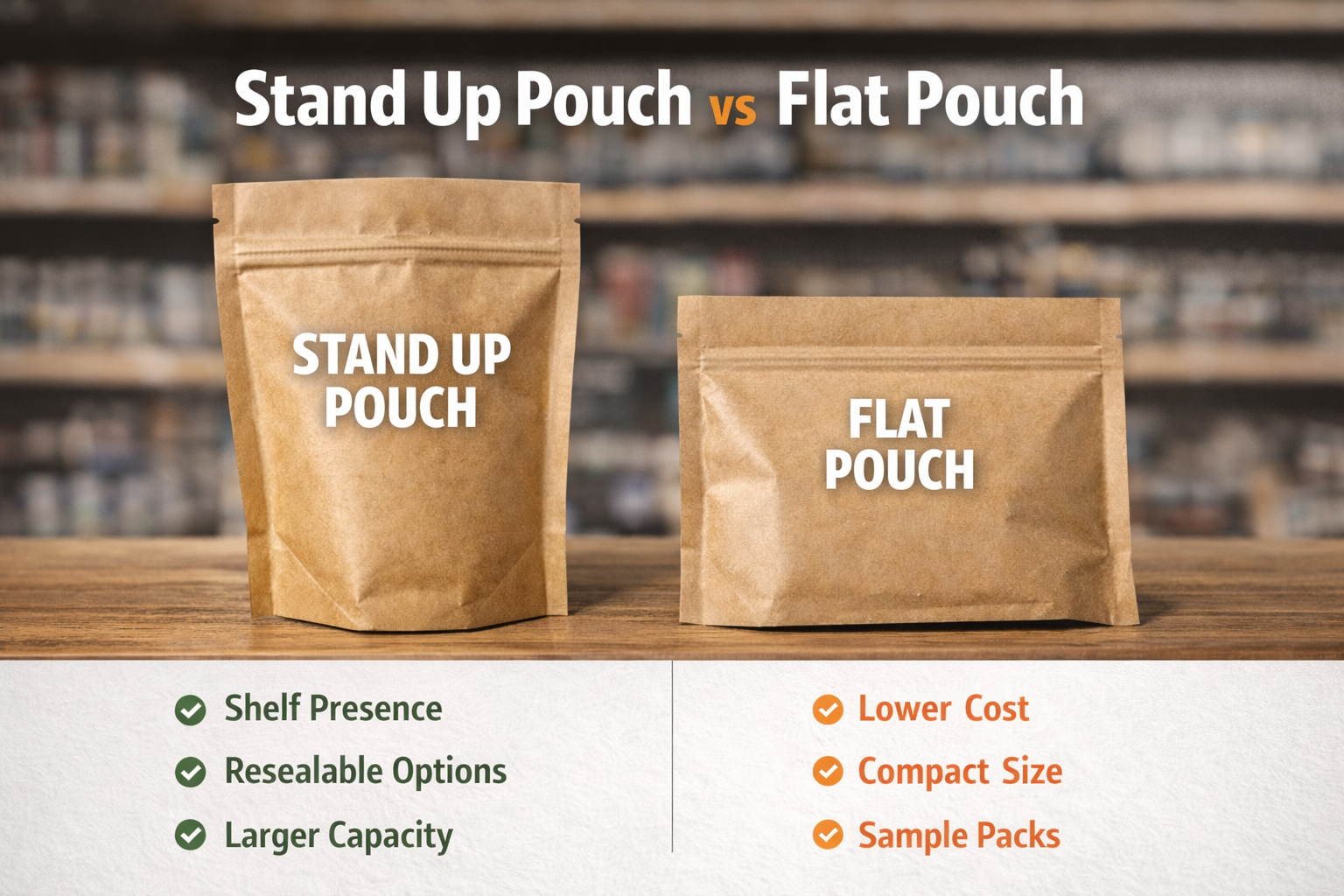
Stand-up pouches with tear-notches or individual serving packs are ideal for travel or multi-pet households. In fact, single-serve packaging formats grew by 22% globally between 2021 and 2023, reflecting demand for portion control and freshness.
Tactile and Visual Cues
Textured grips, clear product windows, ergonomic handles, and child-resistant closures improve usability and safety while enhancing the customer experience.
Flexible packaging formats are rapidly replacing rigid containers due to their efficiency. Stand-up pouches, for example, can reduce shelf space usage by up to 30% and lower material consumption by roughly 25% compared with traditional rigid packaging.

Embracing Sustainability: Meeting Eco-Conscious Demands
Sustainability has become a defining factor in packaging innovation. Today’s consumers increasingly expect brands to minimize environmental impact while maintaining product performance.
A recent survey found that 75% of pet owners are willing to pay more for eco-friendly packaging, demonstrating the growing influence of sustainability on purchasing decisions.
Recyclable Materials
Transitioning from complex multi-layer laminates to mono-material structures (e.g., recyclable PET or HDPE) simplifies recycling processes and aligns with circular economy goals.
Biodegradable and Compostable Options
Plant-based materials such as PLA, bagasse fibers, or biopolymer blends offer promising eco-friendly alternatives. However, they must still meet the barrier performance needed for shelf-stable pet food.
Lightweighting
Reducing material thickness while maintaining barrier performance can significantly lower carbon emissions during manufacturing and transportation. Flexible packaging solutions can cut shipping costs by up to 30% compared with rigid packaging formats.
Refillable and Reusable Systems
Refill programs and reusable containers are gaining traction among premium brands. Subscription models that deliver refill pouches for reusable containers help reduce packaging waste and encourage long-term customer loyalty.
Pro tip: Highlight recyclability claims with clear labeling (such as How2Recycle symbols) and provide easy disposal instructions to increase consumer trust.
Future Trends: Innovation at the Intersection
The future of pet food packaging lies in combining advanced materials, digital technology, and sustainability strategies.
Smart Packaging
QR codes and integrated sensors can provide real-time information on freshness, traceability, and expiration dates, improving supply chain transparency and consumer confidence.
Edible Films
Emerging biodegradable coatings made from seaweed, algae, or food-processing waste may eventually replace traditional barrier layers.
AI-Driven Packaging Design
Artificial intelligence is increasingly being used to optimize material combinations for barrier performance, cost efficiency, and recyclability.
Personalized Packaging
digital printing technologies may allow brands to create customized packaging with personalized nutrition information, feeding guides, or targeted branding.
These innovations align with broader industry growth trends. For example, flexible packaging formats such as pouches already represent over 35% of the U.S. pet food packaging market and are expected to continue expanding rapidly.
Choosing the Right Package for Your Pet Food Brand
When selecting packaging solutions, consider these steps:
-
Assess Product Needs
Determine barrier requirements based on food type, shelf-life expectations, and aroma sensitivity. -
Evaluate Consumer Pain Points
Conduct surveys or market research to identify the most valued convenience features, such as resealability or easy dispensing. -
Map Sustainability Goals
Define timelines for recyclability targets, material transitions, and eco-certifications. -
Communicate Transparency
Clearly label materials, recycling instructions, and sustainability claims on both packaging and brand websites.
In the dynamic pet food market, packaging is no longer a passive container—it’s a competitive differentiator. As pet ownership continues to grow and consumer expectations evolve, brands must deliver packaging that ensures freshness, enhances convenience, and reduces environmental impact.
By harmonizing advanced barrier technology, user-friendly design, and sustainable materials, companies can meet consumer demand for quality, transparency, and eco-responsibility. With innovation accelerating across materials science, digital technology, and circular packaging systems, forward-thinking brands will not only protect pets’ health but also build stronger trust with pet owners and the planet.


Leave a comment
This site is protected by hCaptcha and the hCaptcha Privacy Policy and Terms of Service apply.