

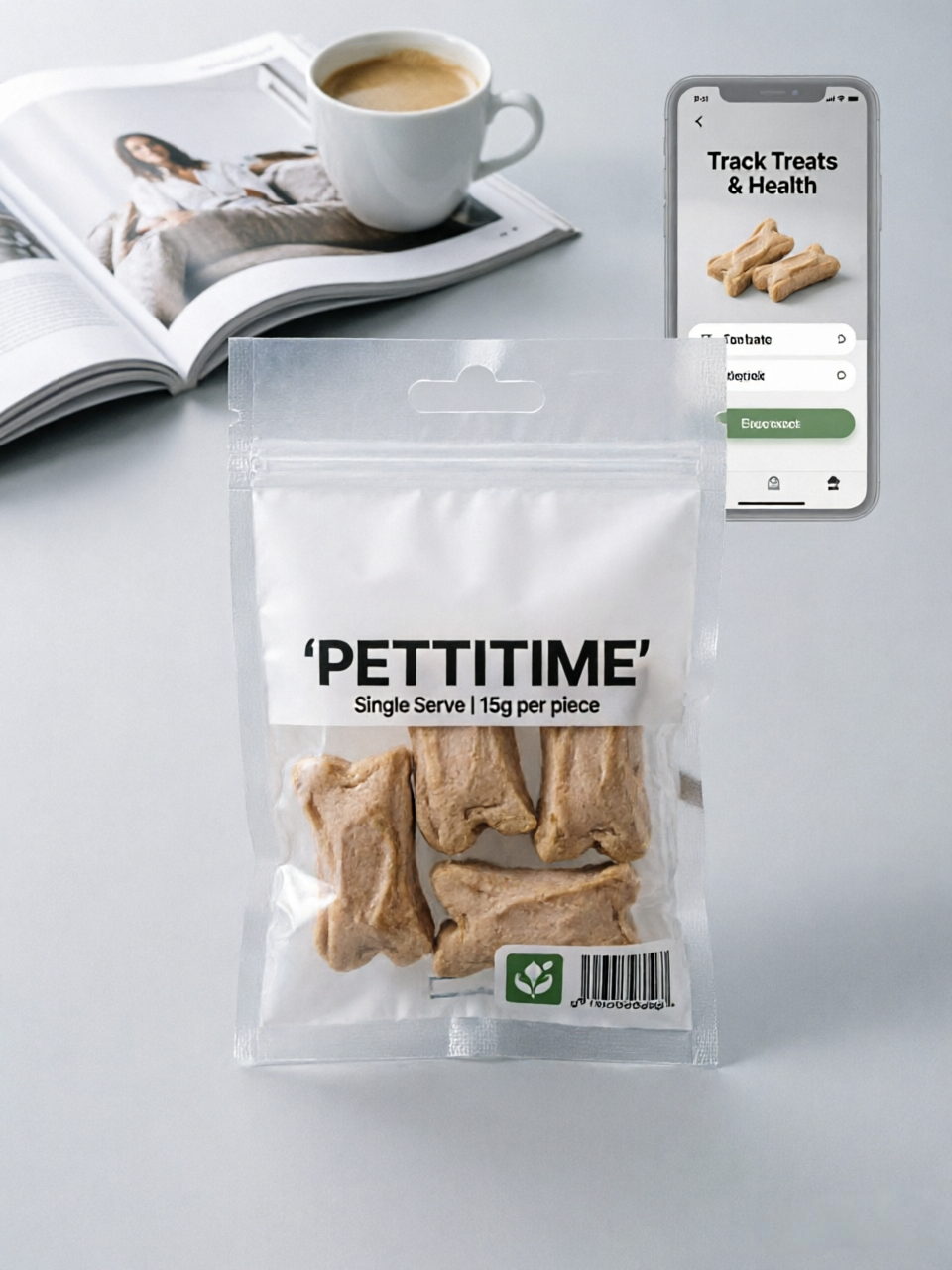
In the bustling aisles of modern pet retail, whether online or in-store, the packaging of a dog treat or cat snack is no longer just a vessel; it is a vital ambassador for the brand. From a Treat & Snack Bags perspective, the competition is fierce, and the expectations placed upon this thin layer of film are higher than ever. Today’s pet owners, particularly in the US and European markets, demand a trifecta of excellence: the product inside must be pristine, the package itself must be effortless to use, and the materials must reflect a commitment to the planet. This delicate balancing act defines the current era of pet food packaging innovation.

The Science of Shelf Stability in Treat & Snack Bags
At the core of any effective Treat & Snack Bags strategy lies the imperative of preservation. Pet snacks, especially semi-moist varieties, high-protein jerky, or treats infused with fish oils, are highly susceptible to degradation. Exposure to moisture, oxygen, and light can lead to rancidity, texture loss, and the dissipation of vital aromas that entice pets.
The impact of poor packaging is measurable. The U.S. Food and Drug Administration reports that 30–40% of the U.S. food supply is wasted, with improper storage and packaging being key contributors.
In parallel, packaging performance directly affects shelf life. Studies show that oxygen exposure is one of the primary drivers of fat oxidation, leading to rancidity and nutrient degradation in pet food.
Material science plays a decisive role. Research on packaging permeability demonstrates that multi-layer laminates (e.g., BOPET/VMPET/LDPE) can reduce oxygen transmission rates to as low as 0.149 ml/m²/day, significantly extending shelf life compared to single-layer films.
Additionally, improper barrier systems can accelerate spoilage dramatically. According to industry data, fat degradation can increase by up to 300% in low-barrier packaging, especially for high-fat pet treats.
From a macro perspective, packaging failures also contribute to food waste. Global estimates indicate that around 14% of food waste in the U.S. is linked to packaging-related issues such as leakage, poor sealing, or labeling confusion.
Therefore, the selection of high-barrier materials is non-negotiable. Modern laminates often combine layers of polyethylene (PE) for strength and sealability with specialized coatings or films, such as ethylene-vinyl alcohol (EVOH) or metalized layers, to create an impenetrable shield against the elements.
This technology ensures that the first treat a pet enjoys is just as flavorful and nutritious as the last one, maintaining product integrity throughout the entire supply chain journey—from the manufacturing floor to the consumer’s pantry.

Engineering Treat & Snack Bags for Consumer Convenience
While protecting the product is fundamental, the functionality of Treat & Snack Bags is equally critical in winning consumer loyalty. Pet owners lead busy lives, and packaging that adds friction is quickly discarded in favor of more convenient alternatives.
Consumer demand data reinforces this trend. Industry research shows that approximately 72% of premium pet food buyers prefer resealable packaging features, highlighting the importance of convenience-driven design.
This is where user-centric design features become essential differentiators:
- Resealable zippers allow owners to lock in freshness
- Easy-tear notches eliminate opening frustration
- Portion-control formats support feeding accuracy
Beyond convenience, packaging also plays a role in pet health. Improper portioning is a key factor in overfeeding, and structured packaging formats can help mitigate this. Additionally, studies indicate that moisture loss in poorly sealed pet food can reach up to 5% of product weight, affecting both quality and nutritional consistency.
These features transform the packaging from a passive container into an active tool that simplifies pet care.

Sustainable Packaging Trends in Treat & Snack Bags
Perhaps the most significant pressure facing the Treat & Snack Bags industry today is the urgent demand for environmental responsibility. Consumers in the US and Europe are increasingly scrutinizing the ecological footprint of their purchases.
Market data highlights this shift clearly. According to recent industry statistics:
- 68% of consumers are willing to pay more for sustainable pet food packaging
-
52% of pet food companies now prioritize recyclable or compostable materials
At the same time, regulatory and environmental pressures are intensifying. Sustainable packaging targets are pushing brands toward circular economy models and reduced plastic dependency.
However, the transition is technically complex. Traditional multi-layer packaging delivers superior protection but is difficult to recycle. In contrast:
- Bio-based materials can allow up to 30% more oxygen permeability, accelerating spoilage
- Sustainable alternatives may reduce carbon footprint by ~18%, but often at higher cost or lower barrier performance
The environmental stakes are high. Packaging-related inefficiencies can contribute significantly to waste, with studies indicating that food packaging issues account for up to 30% of global food waste drivers.
This creates a fundamental industry challenge: balancing sustainability with shelf-life performance.
Innovations in recyclable mono-materials, bio-polymers, and active packaging technologies are paving the way forward, but continued R&D investment remains essential.

Designing Treat & Snack Bags for Shelf Impact
Beyond function and eco-friendliness, Treat & Snack Bags must possess undeniable brand appeal. In a crowded marketplace, the visual design of the pouch is often the first point of connection between the brand and the consumer.
This is where aesthetics meet psychology.
The choice of:
- Color palettes
- Typography
- Imagery
must communicate the brand’s values—whether that be natural ingredients, gourmet quality, or veterinary science—immediately.
Packaging innovation is also enabling new sensory experiences. Advanced materials such as nano-cellulose coatings can achieve oxygen barrier performance comparable to aluminum foil at a fraction of the weight, enhancing both sustainability and visual flexibility.
Tactile elements, such as soft-touch finishes or unique shapes, further enhance the sensory experience, helping products stand out in saturated retail environments.
A well-designed bag does not just hold a product; it tells a story that resonates with the pet owner’s aspirations for their companion.

The Future of Treat & Snack Bag Packaging Innovation
Ultimately, the most successful Treat & Snack Bags exist at the intersection of functionality, consumer convenience, and environmental responsibility. They are engineered to protect premium ingredients, designed to be intuitive for daily use, and constructed with materials that minimize harm to the planet.
Looking ahead, innovation is accelerating. Emerging smart packaging technologies can extend food shelf life by up to 14 days through active monitoring and controlled release systems, signaling a new frontier in packaging intelligence.
At the same time, brands are under increasing pressure to meet both regulatory requirements and consumer expectations for sustainability, transparency, and usability.
As the pet food market continues to grow and evolve, brands that prioritize this holistic approach to packaging will not only ensure the integrity of their products but will also build deeper trust and loyalty with their customers.
The perfect pouch is no longer a luxury; it is the standard by which modern pet brands are measured.

Leave a comment
This site is protected by hCaptcha and the hCaptcha Privacy Policy and Terms of Service apply.