

Capability fit
Best for products needing structure, print panels, retail presence, or premium secondary packaging.

Folding carton packaging is strongest when shelf structure and print area matter, while flexible pouches often reduce freight and add barrier or reseal options.
| Decision area | Why it matters | What to confirm |
|---|---|---|
| Shelf presence | Controls merchandising | Box structure, panels, window, finish |
| Barrier need | Protects product | Inner pouch, coating, liner, humidity |
| MOQ and freight | Changes economics | Board, print, assembly, shipping cube |
| Food launch | Controls compliance | Direct contact or secondary packaging |
Folding carton food packaging vs flexible pouches, Flexible packaging guide, Stand up pouches, Low MOQ packaging, Custom packaging cost breakdown.
It can be primary or secondary packaging depending on whether food contacts the carton or an inner liner/pouch.
Pouches can reduce freight and material use, but cost depends on barrier, print, MOQ, filling, and presentation needs.
Yes. Many brands use a flexible inner pouch with a folding carton for shelf presentation and protection.
Buyer confidence
Folding cartons can improve retail presentation, but food and consumer goods often still need an inner pouch, liner, or coating to protect freshness and handling performance.

Best for products needing structure, print panels, retail presence, or premium secondary packaging.
Review board, coating, window, inner pouch, insert, pack-out, and freight cube.
Flexible pouches may reduce freight and add barrier, zipper, or lightweight convenience.
Quote path should include product contact, carton size, board target, inner pack, finish, and quantity.
| Buyer situation | Recommended path |
|---|---|
| Retail shelf | Carton structure and finish review |
| Food contact | Inner pouch, liner, or coating check |
| Freight pressure | Compare pouch or rollstock alternative |
| Premium launch | Carton plus flexible inner pack |
Share product type, fill weight, material preference, target MOQ, artwork status, and launch timing so the quote can be matched to the right structure.
It depends on whether the carton is primary contact packaging or secondary packaging around an inner liner or pouch.
Sometimes, especially when freight, barrier, resealability, or flexible MOQ matters more than box structure.
Yes. Many launches use a flexible inner pouch with a folding carton for shelf presence and protection.
Folded, rigid, versatile
Folded Cartons solution
Our folded carton packaging is versatile and can be used in a variety of markets, including food and beverage, healthcare, beauty and personal care, and household products. These cartons are also frequently used in promotional displays at the point of purchase or point of sale. To give your products a luxurious touch, consider adding custom decorations such as foil stamping, embossing, debossing, or varnishing to your paperboard packaging. Our printing solution allows for personalized branding, and variable data printing and imaging allows for updates based on region or season. Let us help you create a unique combination that will set your brand apart from the competition.
Folded Carton Packaging Types
This is the most common type of foldable carton packaging. It consists of a rectangular box with a top and bottom flap, as well as two end flaps that are tucked inside the box.
This type of packaging is similar to an RSC, but the top flaps are folded over the top of the box and secured with tape or glue.
This type of packaging has a top and bottom flap, but only one end flap. It is often used for packaging irregularly shaped items.
This type of packaging has a top flap that is tucked into the box, as well as two end flaps. It is often used for packaging items that need to be securely sealed, such as food or pharmaceutical products.
This type of packaging is similar to an FOL, but it has additional flaps that are folded over the top of the box and secured with tape or glue. It is often used for packaging heavy or bulky items.
This is the most common type of foldable carton packaging. It consists of a rectangular box with a top and bottom flap, as well as two end flaps that are tucked inside the box.
This type of packaging is similar to an RSC, but the top flaps are folded over the top of the box and secured with tape or glue.
This type of packaging has a top and bottom flap, but only one end flap. It is often used for packaging irregularly shaped items.
This type of packaging has a top flap that is tucked into the box, as well as two end flaps. It is often used for packaging items that need to be securely sealed, such as food or pharmaceutical products.
This type of packaging is similar to an FOL, but it has additional flaps that are folded over the top of the box and secured with tape or glue. It is often used for packaging heavy or bulky items.
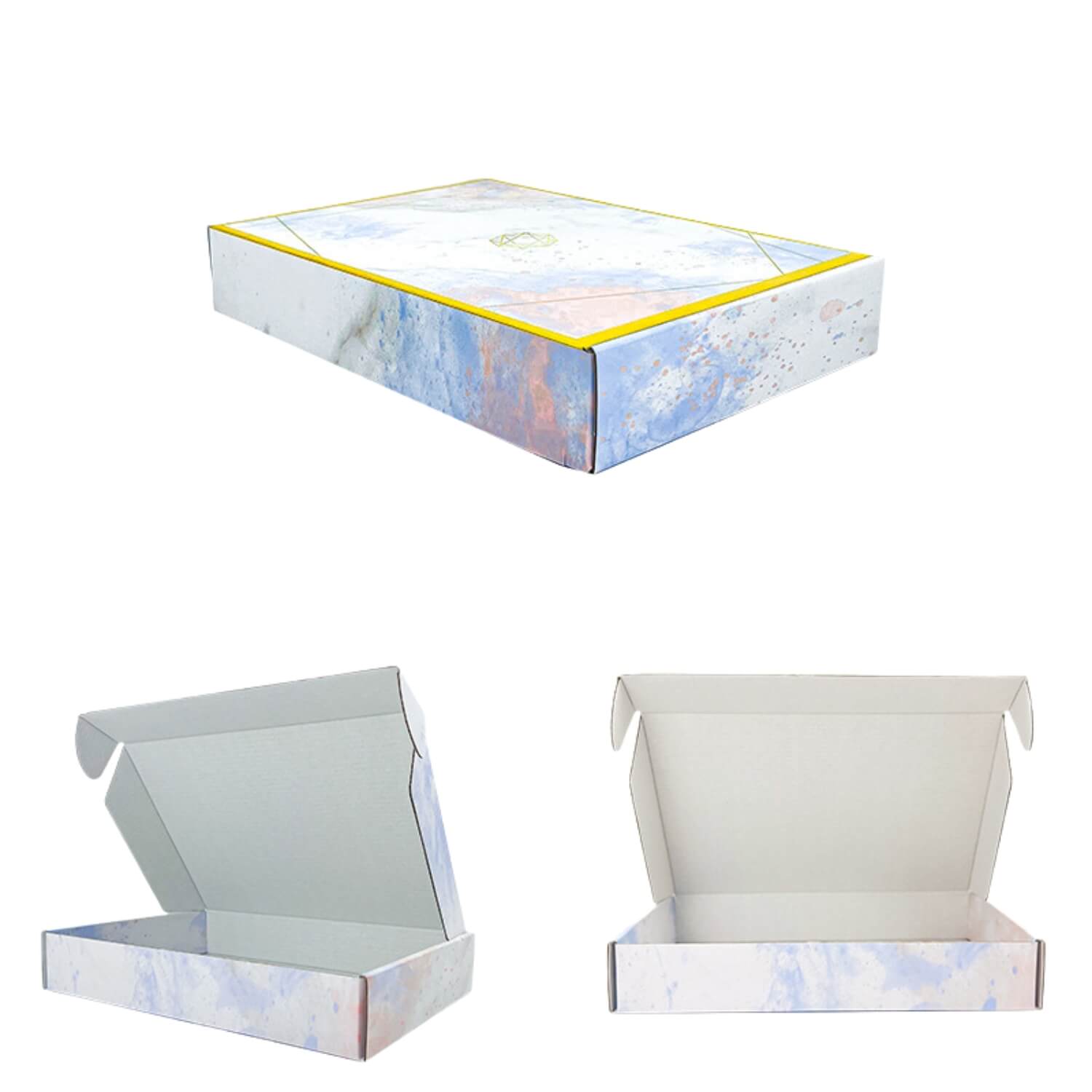
Choosing Folding Carton Packaging
Folded carton packaging is a popular choice for a wide range of products due to its versatility, cost-effectiveness, and environmental sustainability. This type of packaging is made from paperboard that is folded and glued to create a sturdy, protective container for products.
One of the key benefits of using folded carton packaging is its customizability. It can be printed with branding and marketing messages, and it can be designed to fit a variety of products in a range of sizes and shapes.
Folded carton packaging is also an eco-friendly choice, as it is made from renewable resources and is recyclable. It can be easily disposed of after use, making it a responsible choice for companies looking to reduce their environmental impact.
Overall, folded carton packaging is a smart choice for businesses looking to effectively market and protect their products. Its customizable design and environmentally-friendly nature make it a win-win for both the product and the planet.
Let's Connect